- Escrito el Modificado el
- 6 min. de lectura

Chaga antioxidant activity has earned this arctic mushroom a reputation as one of nature’s most potent free-radical fighters. ORAC scores (Oxygen Radical Absorbance Capacity) measure chaga’s ability to neutralize oxidative stress in laboratory settings, with some studies showing values exceeding 146,000 per gram. But these numbers tell only part of the story, and understanding what ORAC really measures, alongside how chaga is sourced and processed, matters more than chasing the highest score on paper.
What makes chaga an antioxidant powerhouse?
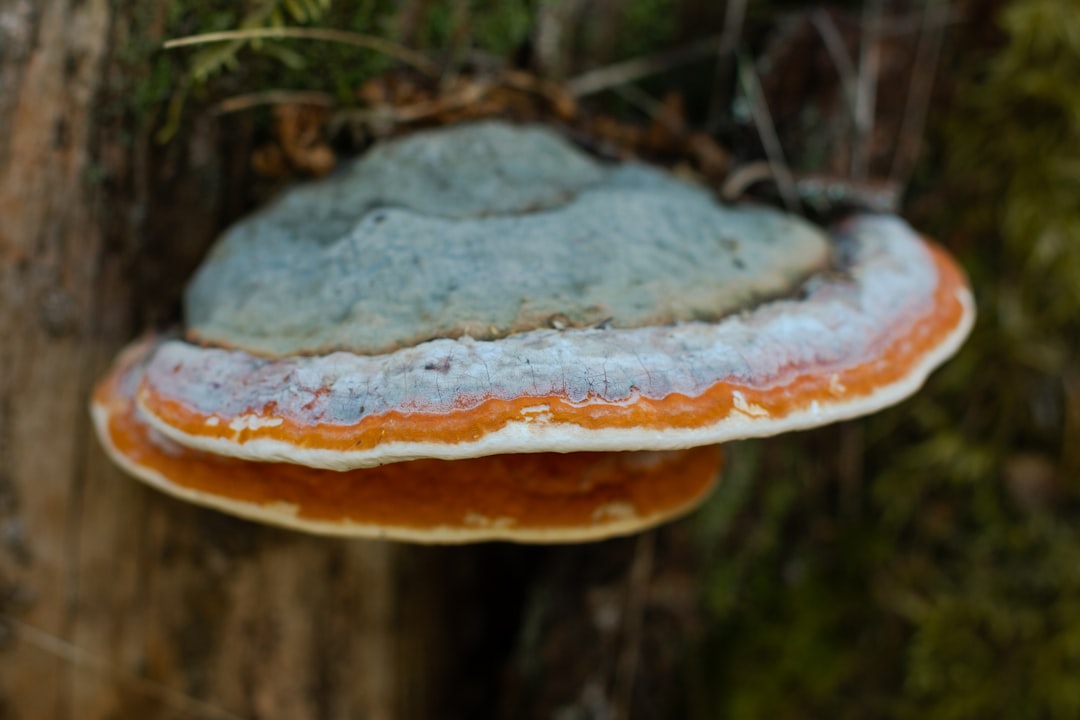
Chaga (Inonotus obliquus) grows predominantly on birch trees in cold northern climates across Siberia, northern Canada, Alaska, and parts of Scandinavia. The mushroom forms a hard, blackened conk on the outside of the tree, while drawing nutrients from the birch wood for 10 to 20 years before reaching maturity.
This slow growth in harsh environments produces an exceptionally dense concentration of bioactive compounds. The key antioxidant players include melanin (which gives chaga its dark color), polyphenols, betulinic acid (drawn from birch bark), and superoxide dismutase (SOD), an enzyme that helps break down harmful oxygen molecules.
Unlike cultivated mushrooms, wild chaga cannot be rushed. The extreme cold, birch-specific nutrients, and decades-long growth cycle create a chemistry that lab-grown alternatives have yet to replicate convincingly.
What do ORAC scores actually measure?
ORAC (Oxygen Radical Absorbance Capacity) is a laboratory test that measures how well a substance neutralizes peroxyl radicals in a controlled setting. The higher the score, the greater the antioxidant capacity detected in the test tube.
Chaga typically scores between 30,000 and 150,000 ORAC units per gram, depending on harvest location, age, processing method, and testing protocol. For context, blueberries score around 4,600, and açai powder around 15,000.
But here is the nuance: ORAC values measure in vitro activity, not how these compounds behave once digested, absorbed, and distributed in the human body. The US Department of Agriculture even removed its ORAC database in 2012, citing misuse of the data to make exaggerated health claims.
ORAC scores are useful for comparing batches or products under identical testing conditions, but they should not be treated as direct proof of clinical benefit. Bioavailability, preparation method, and individual physiology all matter more than the number on the label.
How does sourcing affect chaga antioxidant content?
Not all chaga is created equal. Where and how it is harvested makes a measurable difference in antioxidant density and overall quality.
Geography and climate: Chaga grown in colder regions (Siberia, northern Canada) tends to accumulate higher concentrations of protective compounds as a response to environmental stress. Warmer climates produce softer, less potent material.
Tree species: Birch trees are essential. Chaga growing on other hardwoods lacks betulinic acid and other birch-derived compounds that contribute to its therapeutic profile.
Harvest timing: Chaga should be harvested from living trees during winter months when nutrient concentration peaks. Conks taken from dead or dying trees, or harvested in warmer months, show reduced potency.
Sustainability practices: Ethical harvesters leave part of the conk intact to allow regrowth, and avoid stripping the same tree repeatedly. Overharvesting threatens wild populations and reduces the long-term availability of high-quality chaga.
Processing methods and their impact on potency
Even premium wild-harvested chaga can lose potency if processed poorly. Heat, light, and oxygen all degrade sensitive antioxidant compounds.
Drying: Low-temperature air drying (below 40°C) preserves bioactive content. High-heat industrial drying damages polyphenols and enzymes.
Extraction: Chaga’s cell walls are made of chitin, which humans cannot digest. Hot water extraction breaks down polysaccharides, while alcohol extraction isolates triterpenes and betulinic acid. Dual extraction (water + alcohol) captures the full spectrum of compounds.
Grinding and storage: Fine powders oxidize faster than larger chunks. Capsules and liquids should be stored in dark, airtight containers to maintain shelf life. Our chaga capsules use dual-extracted material for maximum bioavailability.
What does the research say about chaga and immunity?
Beyond ORAC scores, chaga has been studied for its effects on immune modulation, inflammation, and cellular health. Most research is preclinical (test tubes and animal models), with limited human trials to date.
Polysaccharides in chaga appear to stimulate immune cells, including natural killer (NK) cells and macrophages, which play roles in defending against infection and abnormal cell growth. Betulinic acid has shown anti-inflammatory and apoptosis-inducing properties in laboratory settings.
A 2011 study published in Mycobiology found chaga extract reduced oxidative stress markers in mice. A 2015 review in Heliyon highlighted its potential as an adjunct therapy for immune support, though the authors emphasized the need for controlled human trials.
While promising, chaga should not be treated as a standalone cure or replacement for medical care. Its role is best understood as a supportive tool within a broader approach to wellness. For a wider range of immune-supporting mushrooms, explore our functional mushroom supplements.
How to choose and use chaga responsibly
Quality matters more than quantity. When choosing chaga, prioritize transparency around sourcing, extraction method, and third-party testing.
Look for:
- Wild-harvested from birch trees in northern climates
- Dual extraction (hot water and alcohol)
- Clear labeling of active compounds (polysaccharides, beta-glucans)
- Sustainable harvesting practices
Typical dosing ranges from 500 mg to 2,000 mg daily, depending on extract concentration. Capsules and liquids offer convenience and consistent dosing. Chaga tea or powder can be added to coffee, though some bioactive compounds require extraction beyond simple steeping.
Chaga is generally well-tolerated, but it may interact with blood-thinning medications or affect blood sugar regulation. If you are on medication or managing a health condition, consult your healthcare provider before adding chaga to your routine.
Frequently asked questions
What does ORAC score mean for chaga?
ORAC measures antioxidant capacity in laboratory tests, not clinical outcomes. Chaga scores high, but the real benefit depends on how well your body absorbs and uses those compounds after digestion.
Does chaga have to be wild-harvested to be effective?
Currently, yes. Wild chaga from birch trees in cold climates contains the full spectrum of bioactive compounds. Cultivated versions lack the birch-derived nutrients and environmental stress response that make wild chaga potent.
Can I just brew chaga chunks as tea?
You can, but simple steeping does not extract all beneficial compounds. Hot water pulls polysaccharides, but misses alcohol-soluble triterpenes. Dual-extracted products offer more complete bioavailability.
How long does it take to notice effects from chaga?
Chaga works subtly over weeks, not days. Most people report gradual improvements in energy, resilience, or skin quality after 4 to 8 weeks of consistent use. It is a long-term support tool, not a quick fix.
Is chaga sustainable if it takes decades to grow?
Wild chaga is at risk from overharvesting. Responsible suppliers leave part of the conk intact and rotate harvest areas. Look for brands that source from certified sustainable harvesters or support reforestation efforts.
Can I combine chaga with other functional mushrooms?
Yes. Chaga pairs well with lion’s mane for cognitive support, reishi for stress and sleep, or cordyceps for energy. Each mushroom offers distinct compounds, and combining them can provide complementary benefits.
Final thoughts on chaga antioxidant reputation
Chaga antioxidant activity is real, measurable, and backed by a growing body of research. But ORAC scores alone do not tell the full story. Sourcing, processing, and how you use chaga all influence whether those impressive lab numbers translate into tangible benefit. Choose wild-harvested, dual-extracted products from transparent suppliers, and treat chaga as part of a broader, balanced approach to health.