- Geschreven op
- 4 min. leestijd

For months, headlines have hinted at a psychedelic renaissance. There are stories of voters approving decriminalization measures, therapists training to use psilocybin in clinical settings, and Silicon Valley executives traveling abroad for guided retreats. It would be easy to assume that hospitals are seeing a swell of psychedelic emergencies, a wave of confusion, panic, or toxicity that mirrors the growing cultural conversation. But the numbers tell a quieter, more counterintuitive story.
A study published in November 2025 in JAMA Network Open examined 1.3 million substance-related emergency-room visits across the United States between 2016 and 2023. The scope alone was unusual: rather than surveying a single region or hospital system, researchers turned to national datasets, mapping patterns of drug-related harm over seven years. What emerged was a portrait of psychedelic use that rarely appears in public debate, one defined not by crisis, but by relative calm.
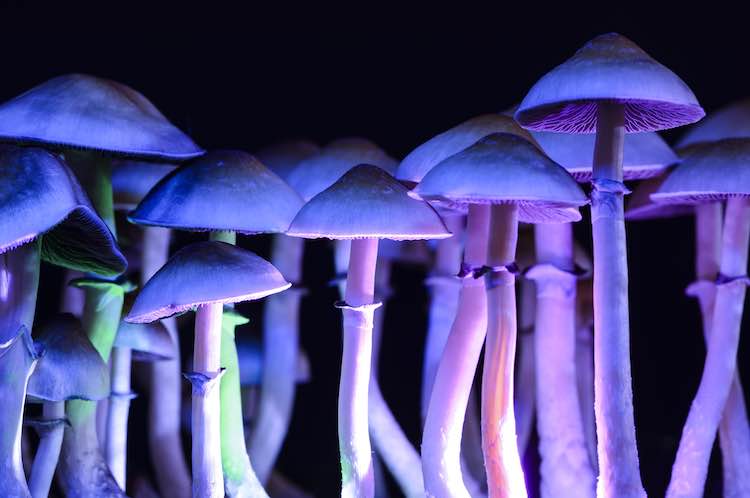
Across the entire dataset, hallucinogen-related emergency visits accounted for just 0.6 to 1.2 percent of all substance-related ER encounters. In other words, for every hundred people walking into an emergency room because of substances, fewer than one arrived because of LSD, psilocybin, mescaline, or similar compounds. Alcohol and opioids, by contrast, dominated the landscape, responsible for the overwhelming majority of harm.
The researchers expected at least a modest rise in psychedelic-related visits after 2019, when clinical trials began receiving widespread media attention and several cities passed reform measures. Instead, the opposite occurred. Beginning in early 2020, hallucinogen-related ER visits actually declined. The timing is ambiguous, pandemic conditions altered social behavior in countless ways, but the downward trend persisted beyond lockdowns, suggesting something more durable.
Statistics rarely shift public opinion on their own, yet these findings challenge ingrained narratives. Psychedelics are often framed as substances that produce unpredictability, or as inherently destabilizing. But the emergency-room data depict a more measured reality. The risks, while not negligible, appear consistently lower than those associated with legal substances widely considered socially acceptable.
Understanding this discrepancy requires looking at how harm arises. Alcohol and opioids carry well-documented physiological dangers. Alcohol poisoning, respiratory depression, liver failure, and cardiac events account for a substantial portion of ER traffic. Psychedelics, by contrast, do not depress breathing or heart rate in the same way. Toxicity at typical recreational doses is rare. Instead, psychedelic-related emergencies often stem from psychological distress, environmental factors, or interactions with other substances.
The dataset cannot distinguish between these causes. ER records list the substances involved, not the specific chain of events. A person who arrives disoriented after combining LSD with sleep deprivation and alcohol appears the same in the data as someone who sought help for anxiety during an otherwise physiologically safe psilocybin experience. Still, this ambiguity makes the overall numbers even more striking: despite the broad categorization, the total remains low.
The study’s methodology strengthens its significance. National hospital records reduce the biases inherent in smaller or self-reported studies. They capture urban and rural populations, insured and uninsured patients, and a variety of socioeconomic backgrounds. They also minimize the influence of cultural trends, presenting a grounded overview of harm as it manifests in clinical settings.
These findings arrive at a pivotal moment in drug policy. Cities from Oakland to Seattle have experimented with decriminalization measures. Several states have begun constructing regulatory frameworks for therapeutic psilocybin. For opponents of reform, the most common fear, that expanded access will overload emergency departments, appears unsupported by the data. Psychedelic risks exist, but they do not resemble the public health crises associated with opioids, methamphetamine, or alcohol.
Yet the study also complicates overly optimistic narratives. Low ER visits do not mean psychedelics are harmless. Psychological risk remains real, particularly for individuals with predispositions to psychosis or trauma that emerges unexpectedly. Misinterpreting the data as a blank check for unsupervised use would be a mistake. Instead, the findings encourage a shift in perspective, one that recognizes risk without inflating it, and potential without guaranteeing it.
The quietness of the numbers also speaks to the role of context. Psychedelics tend to be used less frequently than alcohol, reducing opportunities for acute harm. Many people approach them with preparation and intentionality, shaping experiences that are less chaotic than the public imagination might assume. Moreover, the environments where psychedelics are used, outdoors, in ceremonial settings, in therapy rooms, often differ significantly from the bars, highways, and parties where other substances spark crises.
These nuances highlight an important emerging theme: the risks of psychedelics may be influenced more by set and setting than by pharmacology alone. The study cannot quantify these variables, but its findings leave room for reformers to argue that education, harm-reduction strategies, and responsible frameworks may continue to keep hospitalization rates low.
As psychedelic compounds inch closer to therapeutic mainstreaming, the emergency-room data offer a rare anchor of clarity. They show that despite cultural anxieties, and despite renewed enthusiasm, the practical outcomes remain stable and relatively modest. They suggest that the conversations about psychedelics might benefit from moving away from fear-driven narratives and toward evidence-based analysis, where both potential and risk receive equal attention.
In a landscape where debates often hinge on speculation, the numbers provide something unusual: a foundation. They do not demystify psychedelics, nor do they predict future trends. But they establish that, for now, the imagined crisis of psychedelic-related emergencies has not materialized. The story unfolding in emergency rooms across the country is quieter, more measured, and perhaps more hopeful than anyone expected.