- Escrito el
- 6 min. de lectura

The relationship between zinc and immunity is well-established, but not all claims hold up under scrutiny. Research confirms that zinc plays a crucial role in immune cell function and can reduce cold duration by 33% when taken within 24 hours of symptoms. However, it won’t prevent colds entirely, and high doses carry risks. Here’s what the evidence actually supports heading into winter.
Why zinc matters for immune function
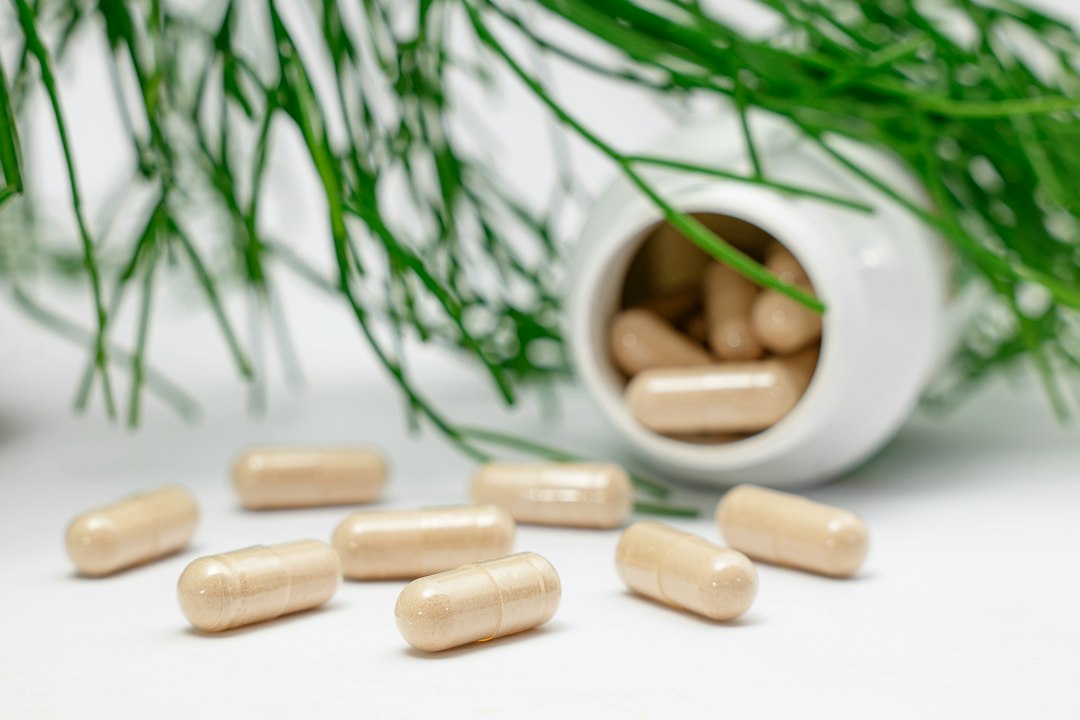
Zinc is essential for the development and function of immune cells, particularly T-cells and natural killer cells that identify and destroy pathogens. Without adequate zinc, your immune system simply can’t mount an effective response to infections.
The mineral also acts as an antioxidant, reducing inflammation and protecting cells from oxidative stress during immune responses. Studies show that even mild zinc deficiency (more common than most people realize) impairs immune function and increases susceptibility to respiratory infections.
Your body doesn’t store zinc efficiently, which means you need regular intake through diet or supplementation. Older adults, vegetarians, and people with digestive disorders are at higher risk of deficiency.
What the research says about zinc and immunity
Multiple meta-analyses have examined zinc’s effects on the common cold, and the results are encouraging but specific. A 2017 review in the Journal of the Royal Society of Medicine found that zinc lozenges taken within 24 hours of cold onset reduced illness duration by an average of 33%.
The key factors for effectiveness include:
- Timing: Starting zinc within the first day of symptoms
- Form: Lozenges that dissolve in the mouth, not swallowed tablets
- Dose: At least 75mg per day, split into multiple doses
- Duration: Continuing for 5-7 days while symptoms persist
Importantly, preventive zinc supplementation shows mixed results. Taking zinc daily throughout cold season may reduce infection incidence slightly, but the effect is modest and not consistently replicated across studies.
Daily zinc supplementation for immune support
For general immune support rather than acute cold treatment, moderate daily zinc supplementation makes sense for people at risk of deficiency. The recommended dietary allowance is 11mg for men and 8mg for women, but many health practitioners suggest 15-30mg daily for immune optimization.
Our Zinc Bisglycinate Complex provides 25mg of highly bioavailable zinc in a form that’s gentle on the stomach. Bisglycinate chelation means the zinc is bound to the amino acid glycine, which enhances absorption and reduces digestive side effects common with other zinc forms.
Winter is when zinc supplementation becomes particularly relevant. Reduced sunlight exposure, indoor heating, and closer contact with others all stress the immune system. Combined with the seasonal drop in vitamin D, maintaining adequate zinc levels gives your immune defenses a foundation to work from.
Combining zinc with other immune supporters
Zinc and immunity research increasingly points to synergistic effects with other compounds. Functional mushrooms like chaga and reishi have immunomodulating properties that complement zinc’s direct cellular effects.
Chaga is particularly rich in beta-glucans that activate immune cells, while reishi has been shown to enhance the activity of natural killer cells and reduce inflammation. When combined with zinc’s role in immune cell development, you’re supporting both the structure and function of immune defenses.
The Immunity & Resilience Stack brings together zinc, chaga, ashwagandha, and psilocybin microdosing specifically for this purpose. Ashwagandha addresses the stress-immunity connection, since chronic stress suppresses immune function through elevated cortisol. Low-dose psilocybin may support emotional regulation and stress response, though research here is still emerging.
Browse our full range of health supplements to build your own winter wellness routine.
What zinc won't do (managing expectations)
Despite the solid evidence for certain benefits, zinc isn’t a miracle cure. It won’t prevent colds entirely, even with daily supplementation. The preventive effect is small and inconsistent across studies.
Zinc also won’t help once a cold is well-established. The window for effectiveness is narrow, within the first 24-48 hours of symptoms. Starting zinc on day three or four of illness shows minimal benefit in most research.
High-dose zinc (above 40mg daily long-term) can actually impair immunity by interfering with copper absorption, which is also essential for immune function. This is why the moderate 25mg dose hits the sweet spot between adequacy and safety.
Practical guidance for using zinc this winter
Here’s a practical approach based on the research:
- Daily baseline: Take 15-25mg zinc daily throughout winter for general immune support
- At first symptoms: Increase to 75mg daily split into 3-4 doses (zinc lozenges work best for colds)
- With meals: Take daily maintenance doses with food to minimize nausea
- Balance copper: If supplementing zinc long-term, ensure adequate copper intake (2mg per 15mg zinc)
Pair zinc supplementation with basic immune hygiene: adequate sleep (7-9 hours), regular movement, stress management, and whole-food nutrition. Supplements work best as part of an overall healthy pattern, not as a replacement for it.
If you’re interested in the stress-immunity connection, read about ashwagandha cycling breaks and how strategic use of adaptogens supports resilience without tolerance build-up.
Frequently asked questions
Does zinc prevent colds or just reduce symptoms?
Zinc primarily reduces the duration and severity of colds rather than preventing them entirely. Daily preventive supplementation shows modest and inconsistent effects on infection incidence. The strongest evidence supports using zinc within 24 hours of symptom onset to shorten illness by about one-third.
What’s the best form of zinc for immunity?
Zinc bisglycinate and zinc picolinate are the most bioavailable forms for daily supplementation, with better absorption and fewer digestive side effects than zinc oxide or sulfate. For acute cold treatment, zinc acetate or gluconate lozenges that dissolve slowly in the mouth work best because they allow direct contact with throat tissues.
Can I take too much zinc?
Yes. Long-term intake above 40mg daily can cause copper deficiency, impaired immune function, and reduced HDL cholesterol. Acute doses above 150mg can cause nausea and vomiting. Stick to 15-30mg for daily immune support, and only increase to 75mg daily during active illness for 5-7 days maximum.
Should I take zinc with other supplements?
Zinc pairs well with vitamin C, vitamin D, and functional mushrooms like chaga or reishi for comprehensive immune support. Avoid taking zinc simultaneously with calcium, iron, or copper supplements, as they compete for absorption. Take zinc either 2 hours before or after these minerals.
How long does it take for zinc to support immunity?
For acute cold treatment, zinc needs to be started within 24 hours of symptoms to be effective. For general immune function, correcting a zinc deficiency takes 2-3 months of consistent supplementation to restore optimal immune cell function and tissue levels.
Is zinc safe with microdosing or other supplements?
Zinc is safe to combine with psilocybin microdosing, functional mushrooms, and adaptogens like ashwagandha. There are no known interactions. In fact, supporting baseline nutrient status may enhance your body’s response to these other wellness practices by ensuring your system has the building blocks it needs to function optimally.
Conclusion
The research on zinc and immunity is clear: this mineral plays a non-negotiable role in immune function, and supplementation can meaningfully reduce cold duration when used correctly. Moderate daily intake supports baseline immune health throughout winter, while higher acute doses offer real benefits at the first sign of illness. Explore our full range to build a winter wellness routine grounded in evidence.