- Écrit le Modifié le
- 7 min. de lecture

Microdosing before therapy is an emerging practice where clients take sub-perceptual doses of psilocybin an hour or two before scheduled talk therapy sessions. Integration coaches and therapists working in psychedelic-friendly spaces report that some clients experience enhanced emotional access, reduced defensiveness, and deeper insights when combining the two. However, this approach requires careful consideration, transparency with your therapist, and an understanding of both legal context and therapeutic readiness.
Why people are pairing microdosing with therapy

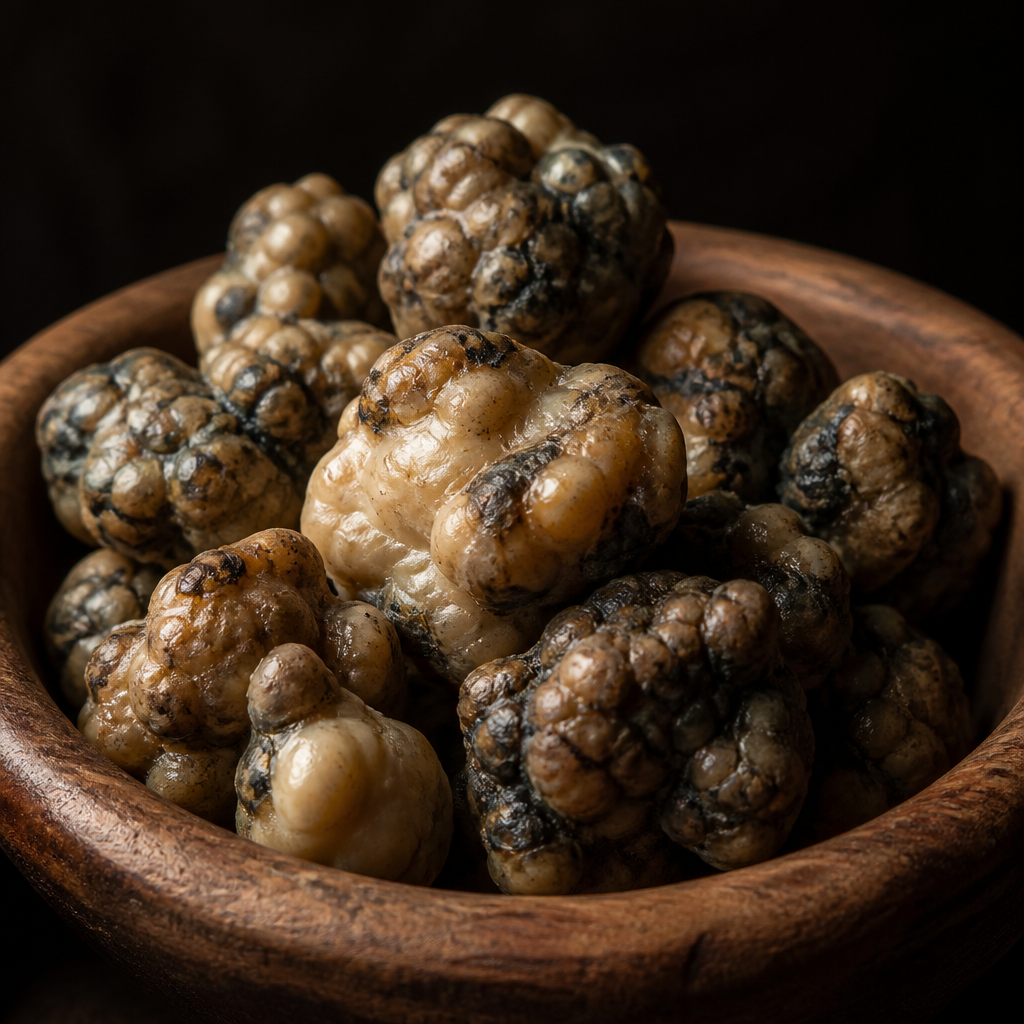
The rationale is straightforward: therapy often involves exploring difficult emotions, confronting patterns, and navigating psychological resistance. A microdose, typically around 0.5 grams of fresh psilocybin truffles, may soften habitual defenses without creating perceptual distortion or altered states that could interfere with the therapeutic frame.
Integration coaches suggest that clients report feeling more present, emotionally available, and less caught in familiar narratives during sessions. Some describe accessing memories or feelings that previously felt blocked or too uncomfortable to approach. It is not about escaping the work of therapy but rather creating a slightly different neurochemical context that may facilitate deeper engagement.
This is distinct from psychedelic-assisted psychotherapy, which uses higher doses in structured clinical settings. Microdosing before therapy operates in a grey zone: personal, experimental, and dependent on the therapist’s openness and the client’s own self-awareness.
What integration coaches say about timing and dosing
Integration coaches who work with clients combining microdosing and therapy emphasize starting conservatively. The typical recommendation is 0.3 to 0.5 grams of fresh truffles taken 60 to 90 minutes before the session begins. This timing allows the effects to be active during the therapy hour without peaking too early or wearing off halfway through.
Fresh truffles are the practical choice here. Unlike dried mushrooms, which require precise measurement at much lower doses (0.1 to 0.2 grams), fresh truffles offer more forgiving dosing windows. Remember the conversion: 1 gram dried equals roughly 3 grams fresh. GO Microdose sells fresh psilocybin truffles ideal for this use.
Coaches also recommend dosing on an empty or light stomach to ensure consistent onset. Eating a heavy meal beforehand can delay effects and create unpredictability, which is the last thing you want when sitting down for a session.
Who is this approach suitable for?
Microdosing before therapy is not for everyone. Integration coaches suggest this practice is best suited for clients who:
- Have prior experience with microdosing and know how their body responds
- Are working with a therapist who is aware and supportive (or at minimum, not opposed)
- Are emotionally stable and not in acute crisis
- Have a solid foundation in their therapeutic work and are not just starting therapy
This is not recommended during early sessions when building rapport and trust. It is also not appropriate if you are dealing with psychosis risk, severe trauma without proper support structures, or if you have not disclosed your microdosing practice to your therapist. Transparency matters, both for safety and for the integrity of the therapeutic relationship.
How to talk to your therapist about it
This is often the biggest barrier. Many therapists are unfamiliar with microdosing, cautious about legal implications, or uncertain how it fits within their therapeutic model. Integration coaches recommend framing the conversation around your intentions and curiosity rather than making demands or assumptions.
You might say something like: ‘I have been researching microdosing and wondering if it could support our work together. I wanted to be transparent with you and see if you are open to exploring this.’ Offering resources, such as articles or information from our complete microdosing guide, can also help demystify the practice.
Some therapists may be supportive but request you do not dose before every session. Others may want to track patterns and outcomes together. A smaller number may not be comfortable at all, and that boundary deserves respect. If your therapist is fundamentally opposed and you feel strongly about exploring this path, it may be worth seeking a practitioner with psychedelic-informed training or experience.
What to watch out for during sessions
Just because a microdose is sub-perceptual does not mean it is without influence. Integration coaches caution against expecting every dosed session to be profound or transformative. Some sessions may feel ordinary. Others may bring up difficult material that feels overwhelming in the moment.
It is also possible to become overly reliant on the substance as a crutch for emotional access. The goal should be integration, not dependence. Coaches often recommend dosing only occasionally before therapy, perhaps once every few weeks, rather than before every session.
Be mindful of increased emotional sensitivity. You may cry more easily, feel more vulnerable, or have less control over emotional regulation. This is not necessarily a problem, but it is worth noting and discussing with your therapist if it feels destabilizing.
Legal and ethical considerations
Psilocybin truffles occupy a legal grey area. In the Netherlands, fresh truffles are legal to purchase and possess. In the UK and most of Europe, psilocybin-containing substances are controlled. GO Microdose ships discreetly across Europe, but the responsibility for understanding local laws rests with the buyer.
From an ethical standpoint, combining microdosing before therapy without your therapist’s knowledge can complicate informed consent and the therapeutic alliance. Many integration coaches strongly advise transparency, even if it feels uncomfortable. Therapy works best when both parties are working with complete information.
If your therapist is in a jurisdiction where psilocybin is illegal, they may have professional or legal reasons to avoid direct involvement. In that case, you may still pursue microdosing independently but keep therapy and microdosing as parallel rather than integrated practices.
Practical tips from integration coaches
Integration coaches offer these practical suggestions for those exploring microdosing before therapy:
- Start with a test dose on a non-therapy day to confirm your response and timing
- Keep a simple journal noting dose, timing, and subjective experience during and after the session
- Use our dosage calculator to find your personal range if you are new to fresh truffles
- Avoid dosing if you are sleep-deprived, hungover, or emotionally dysregulated that day
- Store unopened fresh truffles in the fridge for up to 2 to 3 months, and use opened packs within 3 to 5 days
These small practices help create consistency and safety, which are essential when experimenting at the intersection of therapeutic work and psychedelic tools.
Frequently asked questions
Should I tell my therapist I am microdosing before therapy?
Yes. Transparency supports the therapeutic relationship and allows your therapist to provide informed care. While some therapists may be unfamiliar or cautious, honesty fosters trust and enables better collaboration around your mental health.
How much should I take before a therapy session?
Most integration coaches recommend starting with 0.3 to 0.5 grams of fresh psilocybin truffles, taken 60 to 90 minutes before your session. This is a true microdose and should not produce visual or perceptual distortion. Adjust based on your personal sensitivity and response.
Can microdosing before therapy replace higher-dose psychedelic therapy?
No. Microdosing before talk therapy is a complementary tool that may enhance emotional access and insight. It is not a substitute for psychedelic-assisted therapy, which uses higher doses in controlled clinical settings with trained facilitators and specific therapeutic protocols.
What if I feel too emotional or overwhelmed during the session?
This can happen, especially if the dose is slightly higher than intended or if difficult material surfaces. Communicate this to your therapist in the moment. It may be a sign to lower your dose next time or to dose less frequently before sessions.
Is it safe to microdose before every therapy session?
Integration coaches generally advise against dosing before every session. Occasional use, such as once or twice a month, allows you to assess benefits without creating dependence or habituation. Therapy should ultimately build skills and awareness that do not rely on substances.
Where can I get fresh psilocybin truffles for this purpose?
GO Microdose offers fresh psilocybin truffles in convenient microdose formats. Our starter pack includes pre-portioned strips, a precision scale, and a guide. Be aware of your local laws regarding possession and use.
Final thoughts
Microdosing before therapy is a nuanced practice that requires self-awareness, transparency, and respect for both the therapeutic process and the substance itself. When approached thoughtfully, it may open doors to deeper emotional work and insight. Start small, communicate openly, and remember that the real work happens in the integration, not just the dose.