- Geschrieben am
- 6 Min. Lesezeit
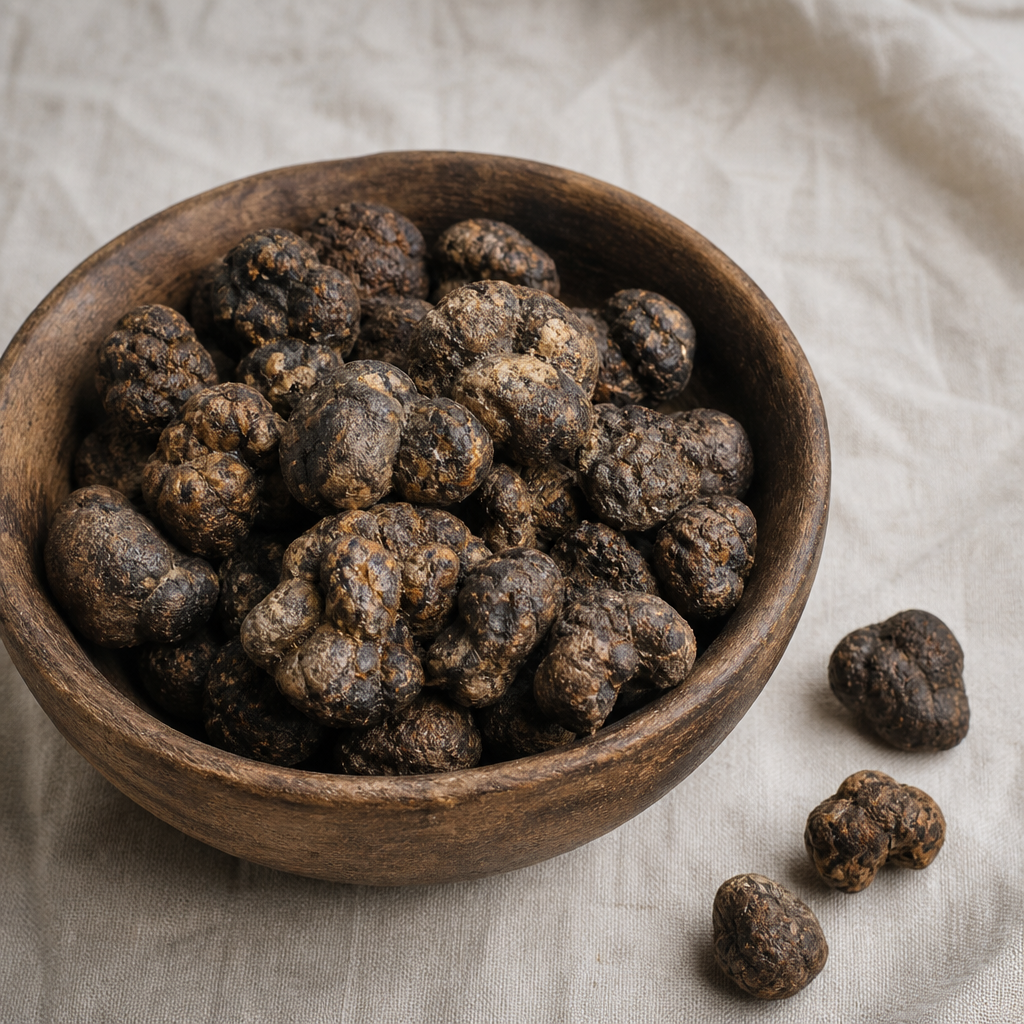
Dutch-grown psilocybin truffles are cultivated under precise, controlled conditions that create a fundamentally different product from wild-harvested mushrooms. These cultivated sclerotia develop consistent alkaloid profiles, predictable potency, and exceptional safety due to sterile growing environments. While wild mushrooms vary dramatically based on weather, soil composition, and seasonal factors, Dutch truffles benefit from standardized substrate formulas, humidity control, and quality assurance protocols that ensure every batch meets strict specifications.
What makes Dutch truffle cultivation unique?
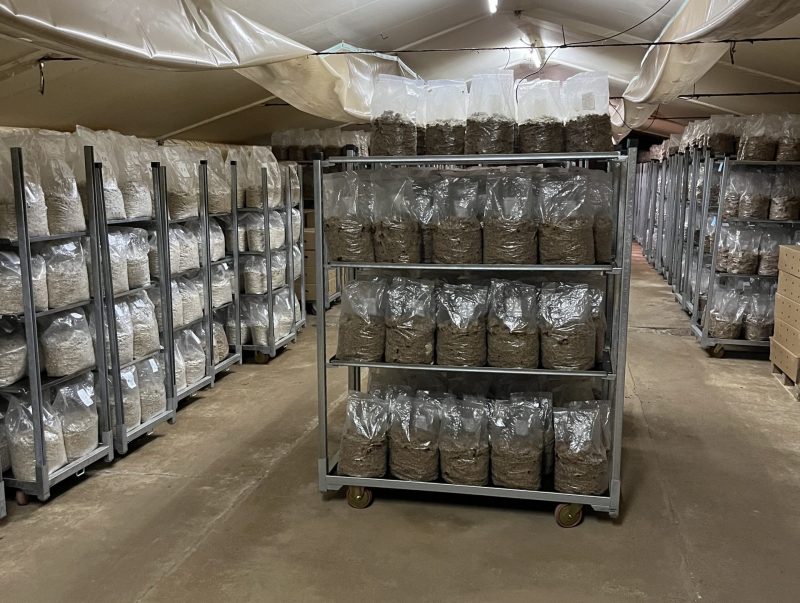
The Netherlands has developed a specialized horticultural approach to psilocybin truffle production that draws on the country’s deep expertise in controlled-environment agriculture. Growers use purpose-built climate rooms where temperature, humidity, CO2 levels, and light cycles are monitored continuously.
The substrate, a carefully balanced mixture of organic grains and nutrients, provides the mycelium with everything it needs to produce dense, potent sclerotia. Unlike wild Psilocybe mushrooms that must compete with other organisms in forest soil, cultivated truffle mycelium grows in sterile conditions without bacterial or fungal contamination.
This controlled terroir creates a product where environmental variables are eliminated. Each harvest cycle produces truffles with remarkably similar alkaloid concentrations, meaning users can dose with confidence rather than guessing at potency.
How do alkaloid profiles differ between truffles and wild mushrooms?
Fresh psilocybin truffles contain primarily psilocybin, with smaller amounts of psilocin, baeocystin, and norbaeocystin. The ratio between these compounds remains stable across batches from the same strain when grown under consistent conditions.
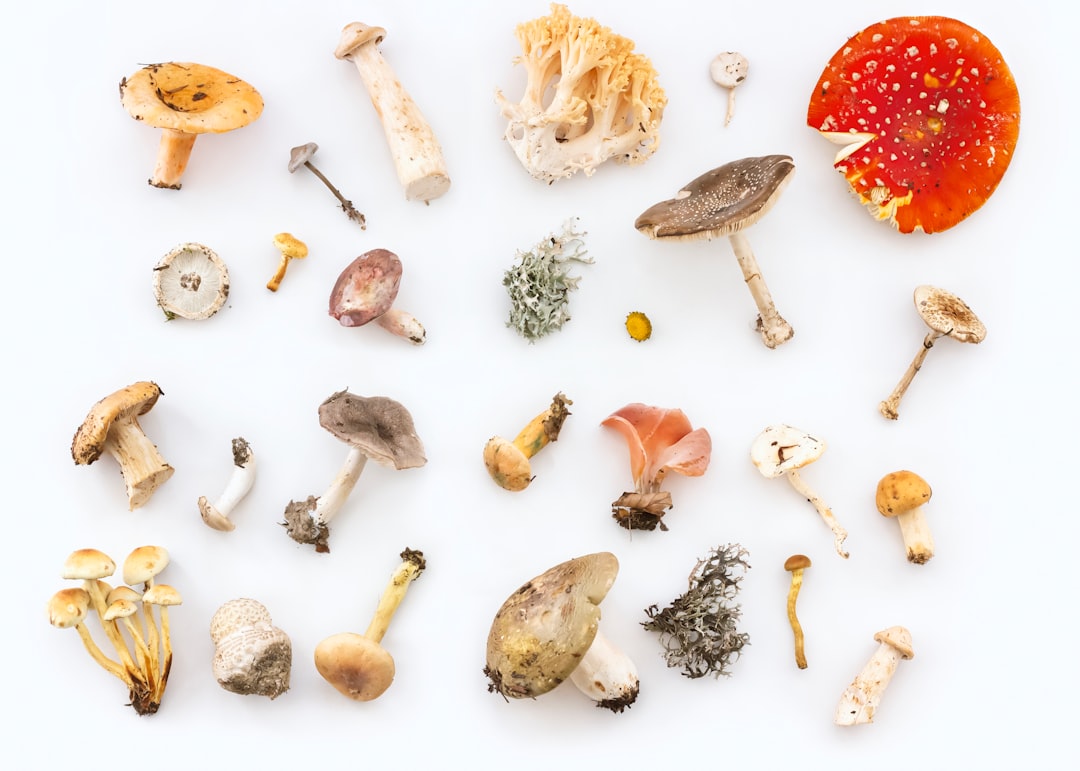
Wild mushrooms, by contrast, show dramatic variation. A Psilocybe cubensis fruiting body growing in shade may contain 40% less psilocybin than one from the same patch growing in direct light. Soil moisture, ambient temperature during fruiting, and even the age of the mushroom at harvest all influence alkaloid concentration.
Research on cultivated sclerotia shows that Dutch-grown varieties like Psilocybe tampanensis and Psilocybe mexicana maintain alkaloid levels within a narrow 15-20% variance range. Wild specimens of the same species can vary by 300% or more. For someone using our dosage calculator to find their ideal fresh truffle amount, typically around 0.5 grams for microdosing, this consistency is essential.
Why does substrate composition matter?
The nutrient foundation on which mycelium grows profoundly influences both truffle development and chemical composition. Dutch cultivators use proprietary blends that typically include:
- Sterilized rye or wheat grains for carbon and energy
- Vermiculite or coco coir for moisture retention and structure
- Calcium carbonate to buffer pH
- Trace minerals that support secondary metabolite production
This formulation differs radically from the complex, unpredictable soils where wild Psilocybe species grow. Forest substrates contain competing fungi, bacteria, insects, and decomposing organic matter that can stress the mycelium or introduce contamination.
By controlling substrate variables, Dutch growers eliminate the environmental stressors that cause wild mushrooms to produce inconsistent alkaloid levels as a defense response. The result is a product optimized for human consumption rather than ecological survival.
What about contamination and safety?
Wild mushroom foraging carries real risks beyond misidentification. Even correctly identified Psilocybe specimens can harbor harmful bacteria, particularly if growing in areas contaminated by agricultural runoff or near livestock.
Dutch cultivation facilities operate under strict hygiene protocols. Substrates are pressure-sterilized, inoculation happens in laminar flow hoods, and growing rooms are regularly sanitized. The truffles themselves develop underground within the substrate, protected from airborne contaminants.
This sterile approach means Dutch-grown psilocybin truffles are free from E. coli, salmonella, mold spores, and pesticide residues that occasionally affect wild specimens. For those exploring our starter pack options, this safety profile provides peace of mind that wild harvesting cannot match.
How does storage stability compare?
Fresh psilocybin truffles, when vacuum-sealed and refrigerated, maintain potency for 2-3 months unopened. Once opened, they should be consumed within 3-5 days or dried at temperatures below 40°C to preserve alkaloid content.
Wild mushrooms picked fresh deteriorate more rapidly due to higher initial moisture content and the presence of enzymatic activity from substrate residues. They also lack the density of sclerotia, making them more susceptible to bruising and oxidation.
The compact, nutrient-rich structure of cultivated truffles makes them inherently more shelf-stable than fruiting bodies. Their lower surface-area-to-volume ratio reduces oxidative degradation of psilocybin, while the controlled harvesting process ensures they reach consumers at peak potency rather than after days of transport from remote collection sites.
Can you taste the difference?
Cultivated truffles have a distinct earthy, nutty flavor with less bitterness than many wild Psilocybe mushrooms. The controlled substrate produces a cleaner taste profile without the woody, forest-floor notes that characterize wild specimens.
Different truffle strains offer subtle variations. Psilocybe tampanensis tends toward a milder, almost grain-like flavor, while Psilocybe mexicana carries more pronounced earthy tones. These flavor differences remain consistent within each strain, another benefit of standardized growing conditions.
For those interested in exploring the full range of effects and flavors, browsing our shop reveals how different strains combine varying potency levels with distinct taste profiles, all backed by the consistency that Dutch cultivation provides.
Does cultivation affect the experience?
The subjective effects of psilocybin depend primarily on alkaloid content and ratio, both of which remain more predictable in cultivated truffles. Users report that Dutch-grown products deliver reliable, reproducible experiences at given doses, whether microdosing at around 0.5 grams of fresh truffles or exploring higher amounts.
Wild mushrooms, with their variable potency, create uncertainty. Two mushrooms from the same flush might produce noticeably different intensities, making dose calibration difficult and increasing the risk of unexpectedly strong experiences.
Beyond potency, the absence of contaminants in cultivated truffles may reduce physical side effects like nausea. While individual sensitivity varies, many users find that clean, laboratory-grade sclerotia produce smoother experiences with fewer gastrointestinal complaints than wild-harvested specimens.
Frequently asked questions
Are Dutch-grown psilocybin truffles legal everywhere?
No. While legal to purchase and possess in the Netherlands, most countries classify psilocybin as a controlled substance. Always verify local laws before ordering. Dutch vendors can ship to many European countries, but regulations vary significantly.
How much stronger are truffles than wild mushrooms?
It’s not about strength, but consistency. Wild mushrooms can be very potent or quite weak depending on growing conditions. Cultivated truffles maintain predictable alkaloid levels, typically requiring around 0.5 grams fresh for a microdose versus the extreme variability of foraged specimens.
Can you grow your own truffles at home?
Yes, but it requires specific conditions and patience. Truffle sclerotia take 3-6 months to mature, need precise temperature control, and demand sterile technique. Many find it more practical to purchase professionally cultivated products rather than attempting home production.
Do fresh truffles need special storage?
Yes. Unopened vacuum-sealed packages stay potent for 2-3 months refrigerated at 2-4°C. Once opened, consume within 3-5 days or dry them at temperatures below 40°C to extend shelf life without degrading psilocybin content.
Why don’t Dutch growers cultivate Psilocybe cubensis mushrooms instead?
Dutch law permits sclerotia (truffles) but not fruiting bodies (mushrooms). This legal distinction drove the development of truffle cultivation expertise. Growers focus on species like Psilocybe tampanensis and mexicana that naturally produce substantial underground sclerotia.
Is the alkaloid profile in truffles identical to mushrooms?
Both contain psilocybin, psilocin, and related compounds, but ratios differ slightly. Truffles generally have higher concentrations of psilocybin relative to psilocin compared to fresh mushrooms, though both convert to psilocin in the body and produce similar subjective effects.
Conclusion
Dutch-grown psilocybin truffles represent a significant advancement over wild mushroom foraging, offering consistency, safety, and predictable potency through controlled cultivation. Whether you’re microdosing or exploring deeper experiences, understanding the terroir behind these products helps you make informed choices about quality and reliability.