- Written on
- 7 min. reading time

When you want to talk to your partner about microdosing, the conversation can feel daunting. Many people worry their partner will react with concern, confusion or outright disapproval. The key is approaching the discussion with honesty, preparation and respect for their perspective. This guide offers practical frameworks for opening the conversation, addressing common worries, and creating understanding around your decision to microdose with fresh psilocybin truffles.
Why talking openly matters

Keeping microdosing hidden from a partner creates distance and potential mistrust. Many people start microdosing to improve focus, mood or creativity, but secrecy can undermine those benefits. Open communication allows your partner to understand your motivations, voice concerns, and support your wellbeing.
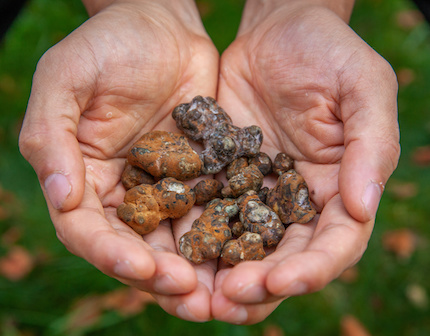
If you live together, practical considerations like refrigerated storage of fresh truffles and regular dosing routines make transparency essential. Involving your partner early prevents misunderstandings and builds collaborative decision-making around your wellness practices.
How to prepare before the conversation
Before you talk to your partner about microdosing, gather your thoughts and resources. Clarity about your intentions makes the conversation more productive.
Know your ‘why’
Be specific about what you hope to achieve. Rather than vague wellness goals, articulate concrete intentions like managing anxiety, enhancing focus at work, or exploring creative blocks. Personal stories resonate more than abstract benefits.
Understand the basics
Familiarise yourself with dosing, safety and protocols. For fresh psilocybin truffles, a typical microdose is around 0.5 grams, though this varies between 0.3 to 0.7 grams depending on individual sensitivity. You can explore protocols and dosing guidance using our complete microdosing guide to feel confident answering questions.
Anticipate concerns
Think through what might worry your partner. Common concerns include legality, safety, changes in behaviour, and dependency. Preparing thoughtful responses shows you take their perspective seriously.
What framework works best when you talk to your partner about microdosing?
Choose a calm, private moment without distractions. Avoid bringing it up during conflict or when either of you is stressed. Frame the conversation as collaborative, not confrontational.
Start with your intention, not the substance
Open with outcomes, not methods. For example: ‘I have been researching ways to manage my stress and improve my focus. I would like to talk to you about something I am considering.’ This centers the conversation on your wellbeing rather than immediately introducing psilocybin, which may trigger assumptions.
Explain microdosing in simple terms
Describe microdosing as taking very small, sub-perceptual amounts of psilocybin on a regular schedule. Emphasise that a microdose with fresh truffles (typically 0.5 grams) produces no hallucinations or intoxication. Many people go about their normal day without anyone noticing.
Invite questions and concerns
Ask directly: ‘What worries you about this?’ or ‘What questions do you have?’ Listening without defensiveness builds trust. Acknowledge legitimate concerns rather than dismissing them.
Offer transparency and boundaries
Commit to keeping your partner informed. Share your dosing schedule, how you are tracking effects, and any changes you notice. Establish boundaries around home use, storage (unopened fresh truffles last 2 to 3 months refrigerated) and timing that respect shared space.
How to address common partner concerns
Certain worries appear repeatedly when people talk to their partner about microdosing. Here is how to address them with honesty and nuance.
Is it legal?
Laws vary by location. In the Netherlands, fresh psilocybin truffles are legal to purchase and possess. In the UK and most of Europe, psilocybin is controlled, meaning possession carries legal risk. Be transparent about the legal status in your country and your willingness to accept that responsibility. Avoid minimising legal realities.
Is it safe?
Psilocybin has a strong safety profile with low toxicity and no known lethal dose. Microdosing involves such small amounts that physical risk is minimal. However, it is not suitable for everyone, particularly those with certain mental health conditions or taking specific medications. Emphasise that you have researched contraindications and are starting cautiously.
Will you change or act differently?
Reassure your partner that microdoses are sub-perceptual. You should not appear intoxicated or behave erratically. Some people notice subtle shifts in mood or energy, but these are generally positive and manageable. Offer to track your experience and discuss any changes openly.
What if it does not work or you become dependent?
Psilocybin is non-addictive and tolerance develops quickly, which is why most protocols include rest days. Common schedules like the Fadiman protocol involve dosing every three days. If microdosing does not help, you can simply stop without withdrawal. Frame it as an experiment with clear boundaries and evaluation points.
What if your partner remains skeptical?
Not every partner will immediately embrace the idea. Resistance does not mean the conversation is over. Give them time to process and offer to revisit the discussion after they have had space to think or research independently.
Suggest they explore resources themselves. Sharing our dosage calculator or evidence-based articles can help them form their own informed opinion. Avoid pressuring them to agree immediately.
If your partner has strong objections rooted in personal values or past experiences, respect those boundaries. Consider whether proceeding would damage trust in your relationship. Sometimes the healthiest choice is to delay or reconsider based on the relationship context.
How to maintain open communication after starting
Once you have talked to your partner about microdosing and begun a protocol, ongoing communication is essential. Keep them updated on your experience without oversharing every detail. Regular check-ins help them feel included and allow you to adjust based on feedback.
Share both positive effects and challenges. If microdosing helps your mood or productivity, let them know. If you experience uncomfortable days or decide to adjust your dose, discuss it. Transparency builds trust and shows you are approaching microdosing responsibly.
If you are new to microdosing, consider starting with our starter pack, which includes everything needed to begin with confidence and structure.
Frequently asked questions
How do I bring up microdosing without making my partner worried?
Start by explaining your intentions and what you hope to improve in your life, rather than immediately mentioning psilocybin. Frame it as a wellness practice you have researched carefully. Invite questions and listen to their concerns without becoming defensive.
What if my partner thinks microdosing is the same as taking drugs recreationally?
Explain the difference clearly: microdosing involves sub-perceptual doses, typically around 0.5 grams of fresh truffles, with no intoxication or hallucinations. The goal is subtle improvements in mood, focus or creativity, not altered states. Share educational resources to help them understand the distinction.
Should I microdose even if my partner disapproves?
This depends on your relationship dynamics and values. Proceeding without consent can erode trust. Consider giving your partner time to learn more, or explore whether their concerns point to legitimate issues you have not fully considered. Open dialogue and mutual respect should guide the decision.
How can I reassure my partner about safety and legality?
Be honest about both. Psilocybin has a strong safety profile, but legal status varies by location. Acknowledge the legal reality in your country and your personal responsibility. Discuss contraindications, your research process, and your commitment to cautious, informed use.
What if my partner wants to try microdosing with me?
This can be a positive development if both of you are informed and willing. Discuss intentions, dosing and protocols together. Starting together can deepen understanding and shared experience, but ensure neither of you feels pressured.
How do I store fresh truffles at home without causing concern?
Fresh psilocybin truffles need refrigeration and last 2 to 3 months unopened. Once opened, use them within 3 to 5 days or dry them at temperatures not exceeding 40°C. Be transparent with your partner about storage and handling, and keep truffles clearly labelled and out of reach of children or others in the household.
Conclusion
When you talk to your partner about microdosing, honesty and preparation make all the difference. Approach the conversation with clarity about your intentions, respect for their perspective, and openness to their concerns. Building trust through transparent communication allows both of you to navigate this decision together with care and understanding.