- Written on
- 7 min. reading time

Using ashwagandha and reishi for stress together addresses a common problem: stress that doesn’t respect your schedule. Ashwagandha works as an adaptogen to help you handle daytime pressure without feeling wired, while reishi acts as a calming mushroom that supports nighttime relaxation and sleep quality. Together, they create a complementary system for managing chronic stress around the clock, rather than just masking symptoms at one end of the day.
Why one supplement often isn't enough

Most people dealing with persistent stress try a single supplement and wonder why it doesn’t fully solve the problem. The reality is that chronic stress operates on multiple systems and at different times of day.
During waking hours, your body needs help modulating cortisol and maintaining steady energy without adding more stimulation. At night, you need genuine calm, not just exhaustion. A single ingredient rarely addresses both needs effectively, which is why stacking makes physiological sense.
This is where the combination becomes practical: ashwagandha for daytime resilience, reishi for evening wind-down, and both contributing to better baseline nervous system regulation over time.
What makes ashwagandha effective for daytime stress?
Ashwagandha is classified as an adaptogen, meaning it helps your body respond more appropriately to stressors rather than eliminating stress entirely. Research shows it can reduce cortisol levels by 23-27% in chronically stressed adults, based on multiple clinical trials using standardized extracts like KSM-66.
The mechanism involves modulation of the hypothalamic-pituitary-adrenal (HPA) axis, your body’s central stress response system. When this axis is constantly activated, you feel wired but tired, with energy that feels jittery rather than stable.
Ashwagandha doesn’t sedate you. Instead, it helps create a buffer between stressors and your physiological response, which many users describe as feeling less reactive to the same triggers that previously derailed their day.
How reishi supports the evening transition
Reishi (Ganoderma lucidum) has been used in traditional medicine for centuries, often called the ‘mushroom of immortality’ due to its long history supporting longevity and calm. Modern research identifies triterpenes as the active compounds responsible for its calming effects.
Unlike sedatives, reishi doesn’t force sleep. It appears to support the parasympathetic nervous system, the ‘rest and digest’ mode that stress chronically suppresses. Users often report an easier mental transition from work mode to rest mode, without the fog that comes from stronger sleep aids.
The mushroom also supports immune function and may reduce inflammation, both of which suffer when stress becomes chronic. This makes reishi particularly useful for people whose stress manifests physically as frequent illness or slow recovery.
Why combining ashwagandha and reishi for stress makes sense
The stack works because the two supplements operate through different mechanisms and at different times. Ashwagandha taken in the morning or early afternoon provides daytime stress buffering. Reishi taken in the evening supports the shift toward rest.
This creates a functional rhythm:
- Morning ashwagandha helps you meet the day with steadier cortisol regulation
- Evening reishi signals your nervous system that it’s safe to downshift
- Both contribute to long-term HPA axis recovery when used consistently
Importantly, neither ingredient is stimulating or strongly sedating, so you avoid the trap of needing caffeine to wake up and melatonin to sleep. The goal is to restore natural rhythm, not override it with more interventions.
Practical dosing and timing
For ashwagandha, research-backed doses typically range from 300-600mg of a standardized extract (such as KSM-66) taken once or twice daily. Most people find morning or early afternoon works best, as late-day dosing can occasionally interfere with sleep in sensitive individuals.
For reishi, functional mushroom products often contain 500-1500mg of fruiting body extract. Taking it 1-2 hours before bed allows time for the calming effects to develop. Some people also take a smaller dose in late afternoon if they struggle with the work-to-home transition.
Both supplements work best with consistent use over 2-4 weeks. This isn’t an acute intervention like taking an aspirin for a headache. You’re supporting gradual recalibration of stress response systems, which requires time and regularity.
You can find both ashwagandha and reishi in our supplement range, sourced for quality and potency.
What to expect and how long it takes
Some people notice subtle shifts within a few days, typically better sleep quality from reishi or slightly less afternoon anxiety from ashwagandha. More substantial changes usually emerge after 2-3 weeks of consistent use.
Pay attention to these markers:
- Do you feel less immediately reactive to stressful emails or conversations?
- Is the transition to sleep smoother, with less mind-racing?
- Do you wake feeling more rested, rather than immediately tense?
- Has your baseline irritability decreased over the week?
These are more reliable indicators than waiting for stress to disappear entirely. Chronic stress rarely vanishes; the goal is to change your physiological relationship to it so it doesn’t dominate your entire nervous system.
Who should consider this stack?
This combination is particularly relevant for people who describe their stress as ‘always on’. You might handle your responsibilities, but you can’t seem to fully relax even when you have time off. Your mind stays in planning mode, and your body feels tense even during supposed downtime.
It’s also useful for those who have tried single interventions without success. If magnesium alone didn’t help sleep, or if adaptogen blends made you feel flat, the targeted timing of this stack may offer better results.
However, if you’re on medication for thyroid conditions, immunosuppressants, or sedatives, check with a healthcare provider first. Ashwagandha can influence thyroid hormone levels, and reishi may interact with anticoagulants or immune-modulating drugs.
Can you add other interventions?
Absolutely. Supplements work best as part of a broader approach, not as a replacement for foundational habits. The stack of ashwagandha and reishi for stress becomes more effective when combined with basic nervous system support like regular sleep timing, some form of movement, and reduced reliance on stimulants.
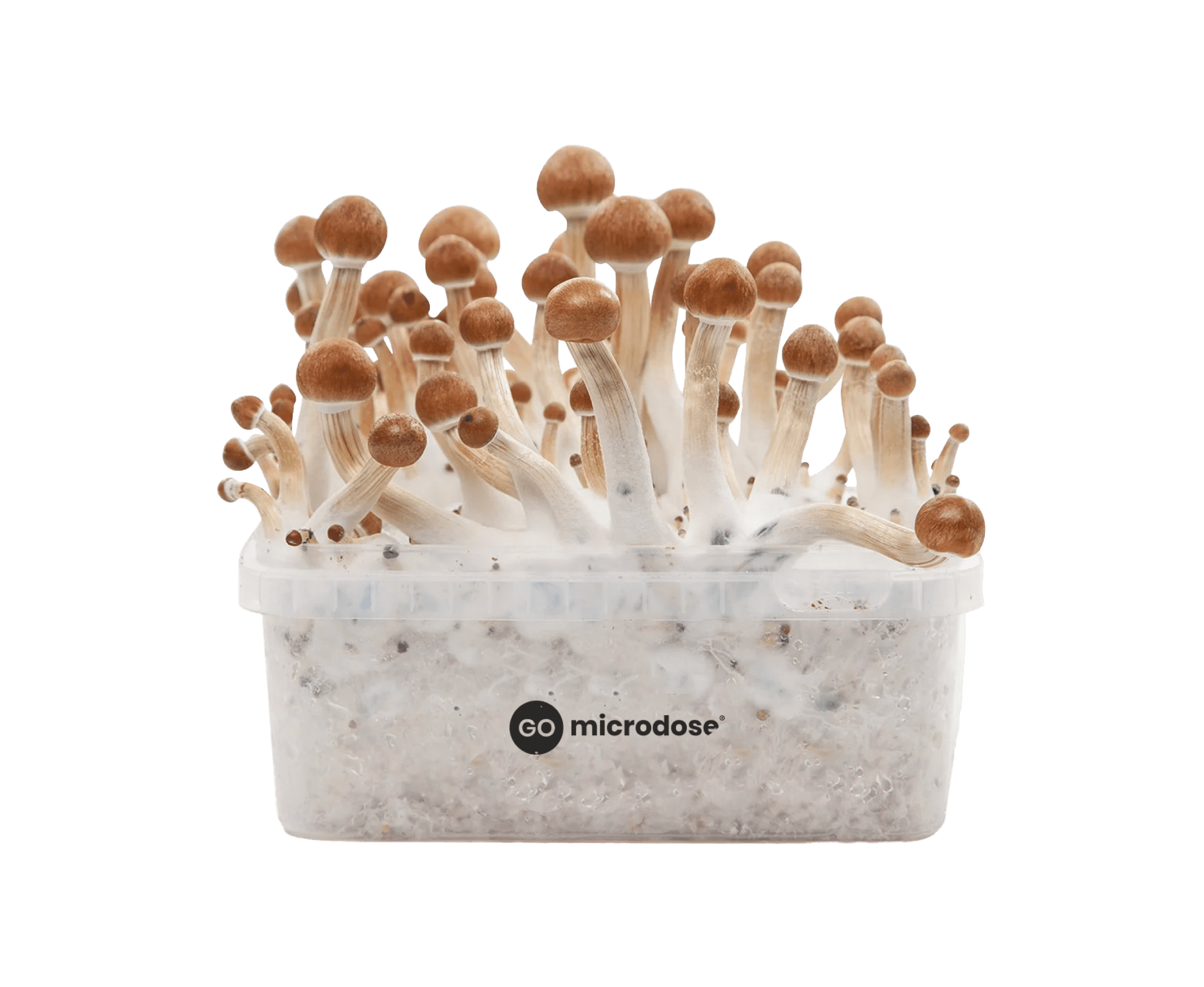
Some people also layer in practices like breathwork, cold exposure, or even microdosing psilocybin for additional neuroplasticity support. If you’re curious about microdosing as a complementary tool for stress and mental flexibility, our complete microdosing guide covers protocols and practical considerations.
The key is not to stack endlessly, chasing the perfect combination. Start with ashwagandha and reishi, give it a month, and assess what shifts. You can always refine from there.
Frequently asked questions
Can I take ashwagandha and reishi at the same time of day?
You can, but splitting them by timing often works better. Ashwagandha in the morning supports daytime stress regulation, while reishi in the evening promotes relaxation and sleep quality. Taking both at once may reduce the rhythm-setting benefit of the stack.
How long should I use this combination before expecting results?
Most people notice initial changes within 1-2 weeks, such as improved sleep or slightly less reactivity to stress. More substantial effects on baseline stress tolerance and nervous system regulation typically develop after 3-4 weeks of consistent daily use.
Are there any side effects I should watch for?
Ashwagandha is generally well-tolerated but can occasionally cause digestive upset or, in rare cases, increase thyroid hormone levels. Reishi is very safe for most people but may cause mild digestive changes initially. If you’re on medication, particularly for thyroid or immune conditions, consult a healthcare provider first.
Can I combine this stack with magnesium or other supplements?
Yes. Magnesium, particularly magnesium glycinate taken in the evening, complements reishi well for sleep support. The ashwagandha-reishi combination also works alongside B vitamins, omega-3s, or other foundational nutrients without known interactions.
Will I become dependent on these supplements to manage stress?
No. Ashwagandha and reishi support your body’s own stress regulation systems rather than replacing them. Many people use them for several months to help reset chronic stress patterns, then reduce frequency or take breaks once they feel more balanced.
Is this stack suitable if I already take antidepressants or anti-anxiety medication?
Possibly, but you should check with your prescribing doctor first. Ashwagandha and reishi are generally considered safe alongside most psychiatric medications, but individual responses vary and professional guidance ensures safe integration.
Final thoughts
Combining ashwagandha and reishi for stress offers a practical, rhythm-based approach for people whose nervous systems have forgotten how to downshift. Rather than chasing perfect calm, you’re supporting your body’s natural capacity to meet the day with resilience and the evening with genuine rest. For quality formulations and transparent sourcing, explore our full range at GO Microdose.