- Written on Modified on
- 7 min. reading time

The relationship between ashwagandha and cortisol is one of the most studied aspects of this ancient adaptogen. Multiple clinical trials demonstrate that ashwagandha supplementation can reduce cortisol levels by 11-30% in chronically stressed individuals, with the most significant reductions seen at doses of 300-600mg of standardised extract taken daily for 6-8 weeks. The effect appears most pronounced in people with elevated baseline cortisol, not healthy individuals with normal levels.
This isn’t about miracle cures or instant calm. The research shows a modest but consistent pattern: ashwagandha appears to help regulate the body’s stress response when it’s running too high, rather than simply suppressing cortisol across the board.
What the major clinical trials found
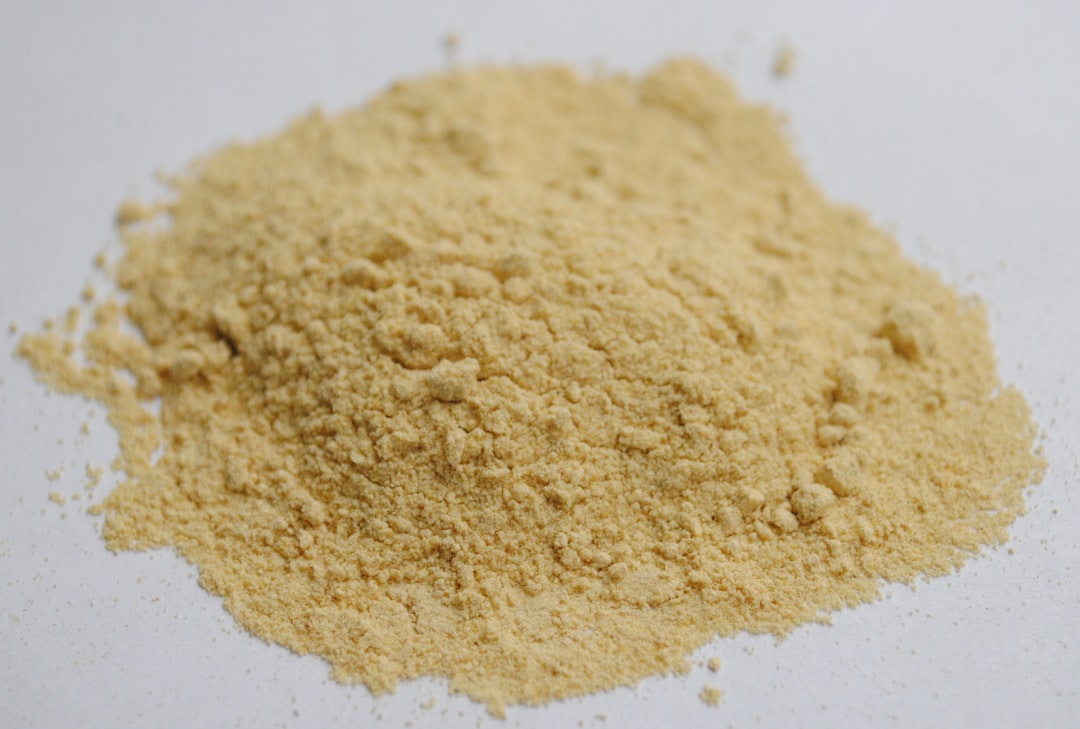
The most cited research on ashwagandha and cortisol comes from a handful of well-designed studies conducted over the past 15 years. In 2012, a randomised controlled trial published in the Indian Journal of Psychological Medicine found that 300mg of high-concentration ashwagandha extract twice daily reduced serum cortisol by 27.9% compared to placebo after 60 days. Participants were adults with chronic stress, measured using standardised stress assessment scales.
A 2019 study using KSM-66 ashwagandha (one of the most researched extracts) showed similar results: 600mg daily for eight weeks reduced morning cortisol levels by approximately 14.5% in stressed but otherwise healthy adults. Participants also reported significant improvements in subjective stress scores, sleep quality, and general well-being.
What’s notable across these trials is consistency. The cortisol reductions aren’t dramatic, but they’re reliably measurable and accompanied by improvements in perceived stress and quality of life markers. It’s not a pharmaceutical intervention, it’s a gradual recalibration.
How does ashwagandha influence cortisol?
Ashwagandha contains bioactive compounds called withanolides, which appear to modulate the hypothalamic-pituitary-adrenal (HPA) axis. This is the system that governs your body’s stress response and cortisol production. When you’re chronically stressed, the HPA axis can become dysregulated, leading to persistently elevated cortisol.
Rather than blocking cortisol production directly, ashwagandha seems to help the HPA axis return to a more balanced state. Animal studies suggest withanolides may reduce the activity of stress-responsive neurons and improve resilience to stressors over time. In practical terms, this means ashwagandha may help your body respond more appropriately to stress, rather than staying in a heightened state.
It’s worth noting that cortisol isn’t inherently bad. You need it to wake up in the morning, respond to challenges, and maintain energy. The issue arises when cortisol remains elevated chronically due to ongoing stress, poor sleep, or metabolic dysfunction. Ashwagandha’s effects appear most beneficial in these contexts.
What dosage and timing matter most?
Most clinical trials showing cortisol reduction used 300-600mg of standardised ashwagandha extract daily, typically split into two doses or taken once in the evening. The extracts used were concentrated to contain 5-10% withanolides, the active compounds responsible for ashwagandha’s adaptogenic effects.
Timing can matter. Because cortisol naturally peaks in the morning and declines throughout the day, some practitioners recommend taking ashwagandha in the evening to support this natural rhythm. However, research hasn’t definitively shown that evening dosing is superior to morning or split dosing, it may come down to individual response and whether you’re using it primarily for stress, sleep, or energy.
Results aren’t immediate. Most studies observed significant cortisol changes after 6-8 weeks of consistent use. This is typical for adaptogens, which work by gradually shifting physiological baselines rather than providing acute symptom relief. If you’re exploring adaptogens and supplements, patience and consistency are key.
Who benefits most from ashwagandha?
Ashwagandha appears most effective for people experiencing chronic stress with measurably elevated cortisol levels. This includes individuals dealing with work-related stress, caregiving demands, sleep deprivation, or anxiety disorders. The research shows less dramatic effects in people with already-normal cortisol levels, suggesting it works as a regulator rather than a universal cortisol suppressant.
Some populations may need to exercise caution. Pregnant or breastfeeding individuals should avoid ashwagandha due to limited safety data. Those with autoimmune conditions or thyroid disorders should consult a healthcare provider, as ashwagandha can influence immune function and thyroid hormone levels. It may also interact with sedatives, immunosuppressants, and thyroid medications.
If you’re combining ashwagandha with other stress-support practices like microdosing or other adaptogens, start with one intervention at a time to assess individual effects. Layering too many variables makes it difficult to know what’s actually helping.
What the research doesn't tell us
Despite promising findings, there are gaps in the research on ashwagandha and cortisol. Most studies are relatively short (8-12 weeks), so we don’t know much about long-term use beyond a few months. We also don’t have robust data on optimal dosing for different populations, such as older adults, athletes, or people with specific medical conditions.
Another limitation: many studies are funded by manufacturers of ashwagandha extracts, which doesn’t automatically invalidate the findings but does warrant a critical eye. Independent replication is important, and while some exists, the body of research is still relatively small compared to pharmaceuticals.
There’s also variability in extract quality. Not all ashwagandha supplements contain the same concentration of withanolides or are processed in the same way. KSM-66 and Sensoril are two well-researched proprietary extracts, but many generic products don’t specify their standardisation, making it difficult to predict effectiveness.
Practical takeaways for stress management
If you’re considering ashwagandha for cortisol management, look for a product standardised to at least 5% withanolides and start with 300-600mg daily. Give it at least six weeks before assessing whether it’s working. Pay attention to subjective markers like sleep quality, stress resilience, and energy levels, not just cortisol numbers (which most people won’t be testing regularly).
Ashwagandha works best as part of a broader stress-management approach. No supplement can compensate for chronic sleep deprivation, poor nutrition, or unaddressed mental health needs. Think of it as a supportive tool, not a replacement for foundational self-care.
If you’re exploring multiple wellness tools, our range of adaptogens and functional supplements includes options that complement different needs, from focus and energy to relaxation and recovery. The key is finding what works for your specific physiology and stressors.
Frequently asked questions
How quickly does ashwagandha lower cortisol?
Most clinical trials show measurable cortisol reductions after 6-8 weeks of consistent daily use. Some people report subjective improvements in stress and sleep within 2-3 weeks, but physiological changes take longer to establish. Patience and consistency matter more than immediate results.
Can ashwagandha lower cortisol too much?
In healthy individuals with normal cortisol levels, ashwagandha doesn’t appear to suppress cortisol excessively. It seems to work as an adaptogen, helping to normalise levels rather than simply suppressing them. However, if you have adrenal insufficiency or take corticosteroid medications, consult a healthcare provider before use.
What’s the best time of day to take ashwagandha for cortisol?
Research hasn’t definitively established optimal timing, but many people take it in the evening to support the natural decline of cortisol before sleep. Some prefer splitting the dose (morning and evening) or taking it with breakfast. Experiment to see what works best for your routine and response.
Does ashwagandha interact with other supplements or medications?
Ashwagandha may interact with sedatives, immunosuppressants, thyroid medications, and blood sugar-lowering drugs. It can also have additive effects when combined with other calming supplements like magnesium or L-theanine. If you take prescription medications, check with your doctor before starting ashwagandha.
Is KSM-66 ashwagandha better for cortisol reduction?
KSM-66 is one of the most researched ashwagandha extracts and has been used in multiple cortisol studies with positive results. It’s a full-spectrum root extract standardised to 5% withanolides. While other quality extracts exist, KSM-66 has the advantage of substantial clinical backing, making it a reliable choice.
Can you combine ashwagandha with microdosing or other adaptogens?
Many people combine ashwagandha with other wellness practices, including microdosing or adaptogens like reishi and lion’s mane. There’s no evidence of negative interactions, but it’s wise to introduce one new intervention at a time to gauge individual effects. This approach helps you identify what’s actually contributing to improvements.
Conclusion
The clinical evidence on ashwagandha and cortisol is encouraging but measured: consistent reductions of 11-30% in chronically stressed individuals, paired with improvements in stress perception and quality of life. It’s not a magic bullet, but a well-researched adaptogen with real potential when used thoughtfully and consistently as part of a broader approach to stress management.