- Written on Modified on
- 7 min. reading time

Zinc deficiency in UK adults is surprisingly common, even though most people have never been tested for it. Studies suggest that up to 10-15% of the UK population may have suboptimal zinc levels, often without realising it. Modern diets heavy in processed foods, plant-based eating without proper planning, and soil depletion all contribute to this quiet nutritional gap. The good news is that once you understand where the shortfall happens, topping up your zinc intake becomes straightforward.
Why zinc matters for immunity and beyond
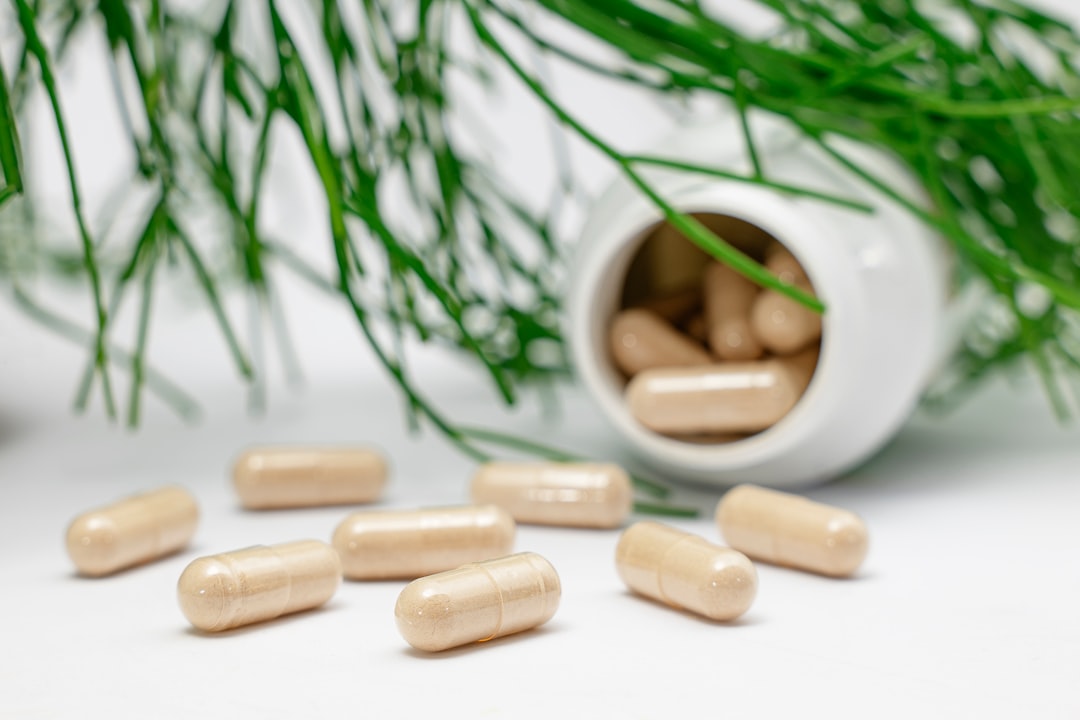
Zinc is involved in over 300 enzymatic reactions in your body. It plays a direct role in immune cell function, wound healing, DNA synthesis, and protein production. When zinc levels drop, your immune system responds more slowly to threats, and you may notice you catch colds more often or take longer to recover from minor infections.
Beyond immunity, zinc supports cognitive function, hormone balance, skin health, and reproductive health. It is also essential for taste and smell perception. A mild deficiency might not cause dramatic symptoms, but you may feel generally run down, experience brain fog, or notice slower healing from cuts and scrapes.
What causes zinc deficiency in UK adults?
Several dietary and lifestyle factors contribute to low zinc levels in the UK and across Europe:
- Heavy reliance on processed foods: Refined grains, ready meals, and ultra-processed snacks are typically low in zinc. Whole grains contain zinc, but much of it is lost during milling.
- Plant-based diets without planning: Zinc from plant sources is less bioavailable than from animal products due to phytates in grains, legumes, and seeds that inhibit absorption. Vegans and vegetarians need to be more intentional about zinc intake.
- Soil depletion: Intensive farming has reduced mineral content in crops. Even if you eat plenty of vegetables and whole grains, the zinc content may be lower than it was decades ago.
- Alcohol and digestive issues: Regular alcohol consumption interferes with zinc absorption, as do conditions like Crohn’s disease, ulcerative colitis, and leaky gut.
- High-calcium supplementation: Taking large amounts of calcium or iron can compete with zinc for absorption in the gut.
What are the signs of low zinc levels?
Zinc deficiency rarely announces itself with one clear symptom. Instead, you get a cluster of vague signs that are easy to dismiss:
- Frequent colds or infections that linger
- Slow wound healing or persistent acne
- Loss of taste or smell
- Thinning hair or brittle nails
- Low mood, brain fog, or difficulty concentrating
- Reduced appetite
If several of these apply, it is worth considering whether your diet provides enough zinc or whether a supplement might help. Blood tests can measure zinc levels, though they are not always perfectly accurate since zinc is stored in tissues, not just circulating in the blood.
How much zinc do you actually need?
The UK’s recommended daily intake for zinc is 9.5 mg for men and 7 mg for women. Pregnant and breastfeeding women need slightly more. Most people in the UK get somewhere between 7 and 10 mg per day from food, which sounds adequate on paper but does not account for absorption issues or individual variation.
If you are plant-based, older, or dealing with digestive issues, your actual absorbed zinc may be lower. In these cases, a supplement providing 15 to 25 mg per day can help close the gap without overdoing it. Our Zinc Bisglycinate Complex 25mg uses a highly absorbable form of zinc that is gentle on the stomach and well tolerated even on an empty stomach.
Food sources of zinc and how to improve absorption
The best dietary sources of zinc include oysters, red meat, poultry, shellfish, dairy, eggs, and fortified cereals. Plant-based sources include pumpkin seeds, chickpeas, lentils, cashews, quinoa, and oats, though the bioavailability is lower.
To improve zinc absorption from plant foods, try soaking, sprouting, or fermenting grains and legumes. This reduces phytate content and makes the zinc more accessible. Pairing plant-based zinc sources with a small amount of animal protein can also help. Cooking with cast iron and eating more fermented foods like sauerkraut or tempeh may further support mineral absorption.
If your diet is varied and includes several zinc-rich foods daily, you may not need a supplement. But if you are consistently missing these foods or have absorption issues, supplementation becomes a practical option.
Choosing a zinc supplement: what to look for
Not all zinc supplements are created equal. The form of zinc matters for absorption and tolerability. Zinc bisglycinate is one of the most bioavailable forms, meaning your body absorbs it efficiently. It is also less likely to cause nausea or stomach upset compared to cheaper forms like zinc oxide or zinc sulfate.
Avoid mega-doses. Taking more than 40 mg of zinc per day long-term can interfere with copper absorption and may weaken immunity rather than strengthen it. Stick to 15 to 25 mg unless your doctor advises otherwise. Take zinc with food if you are prone to stomach sensitivity, though bisglycinate forms are generally well tolerated on an empty stomach.
If you are stacking supplements, be mindful of interactions. High-dose calcium, iron, or magnesium can compete with zinc for absorption, so space them out if possible. You can browse our full range of health supplements to see what fits your routine.
Zinc and other wellness practices
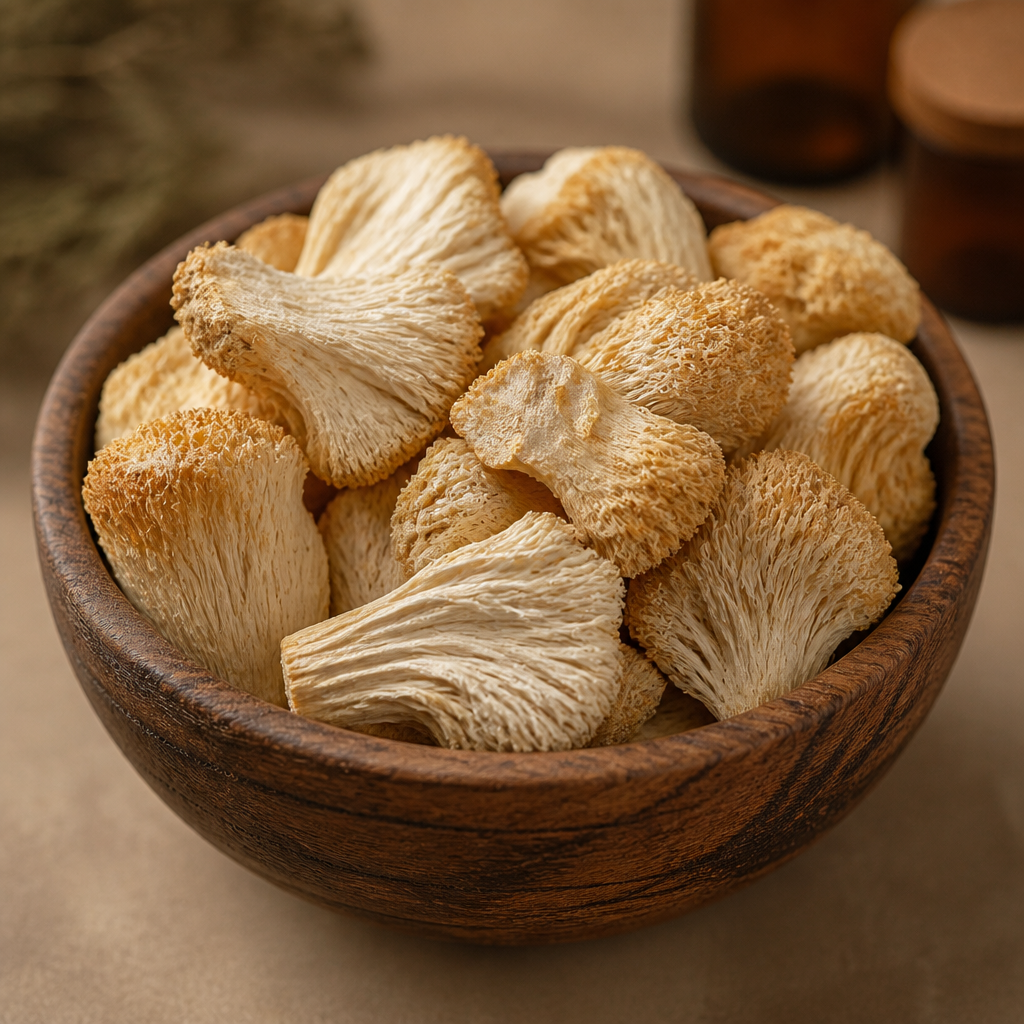
Many people who focus on one aspect of health often overlook others. If you are already paying attention to stress management, sleep quality, or cognitive function, zinc can complement those efforts. It works well alongside adaptogens like ashwagandha, which supports the stress response, or functional mushrooms like lion’s mane, which supports focus and neuroplasticity.
Zinc also plays a role in neurotransmitter function, so if you are experimenting with microdosing or other cognitive practices, ensuring adequate mineral status creates a stronger foundation. A well-nourished body responds better to any intervention, whether that is a supplement, a new routine, or a shift in diet.
Frequently asked questions
Can you take zinc every day?
Yes, taking 15 to 25 mg of zinc daily is safe for most adults and can help maintain healthy levels, especially if your diet is low in zinc-rich foods. Avoid exceeding 40 mg per day long-term unless supervised by a healthcare provider.
What is the best time to take zinc?
Zinc can be taken any time of day. Some people prefer taking it with food to avoid mild stomach upset, though bisglycinate forms are generally well tolerated on an empty stomach. Consistency matters more than timing.
Can zinc help prevent colds?
Zinc supports immune cell function, and some studies suggest that zinc lozenges taken at the onset of a cold may reduce duration. Regular supplementation may also reduce the frequency of infections if you are deficient, but it is not a cure-all.
How long does it take to correct a zinc deficiency?
Mild deficiencies can improve within a few weeks of consistent supplementation. More significant deficiencies may take several months. Symptoms like improved immune response or faster wound healing are often noticed within four to eight weeks.
Can you take zinc with magnesium?
Yes, zinc and magnesium can be taken together and are often combined in supplements. They do not interfere with each other’s absorption when taken in standard doses. Both support relaxation, sleep, and recovery.
Is it possible to take too much zinc?
Yes. Excessive zinc intake, typically above 40 mg daily for extended periods, can cause nausea, interfere with copper absorption, and suppress immune function. Stick to recommended doses and consult a professional if unsure.
Final thoughts
Zinc deficiency in UK adults is not dramatic or life-threatening, but it is common enough to warrant attention. If your diet leans heavily on processed foods, you follow a plant-based diet without careful planning, or you notice signs like frequent infections or slow healing, topping up your zinc intake is a simple step with meaningful benefits. A high-quality bisglycinate supplement, combined with a few dietary tweaks, can help you close the gap and support your immune system, skin health, and overall resilience. Explore our full range of supplements to find what works for your routine.