- Written on
- 8 min. reading time
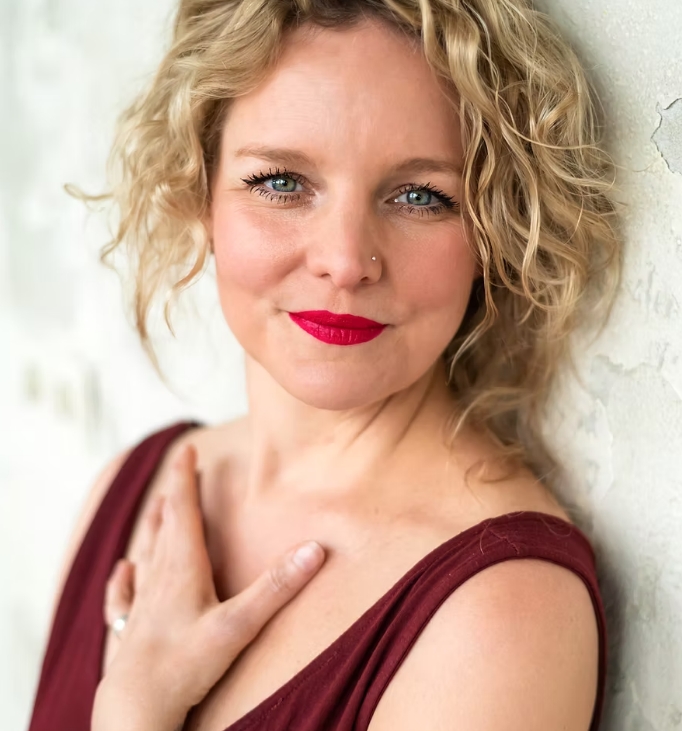
Set and setting when microdosing at home is more than a psychedelic cliché, it is a practical framework that directly influences how you respond to even sub-perceptual doses of psilocybin. Your internal state (set) and physical environment (setting) work together to guide attention, mood and productivity during work-from-home sessions. When optimized, your home office becomes a supportive container for focus, creativity and calm. When ignored, even a well-calibrated dose of fresh truffles can feel scattered or uncomfortable.
What are set and setting?
The concept comes from psychedelic research pioneer Timothy Leary, who emphasized that the effects of any psychoactive substance depend not just on the compound itself, but on the user’s mindset (set) and surroundings (setting).
Set refers to your internal landscape: mood, expectations, intentions, recent stress, sleep quality, and what you ate that morning. If you begin a microdose day anxious about a deadline or emotionally exhausted, that baseline colors the experience.
Setting is your external environment: lighting, noise, visual clutter, temperature, who you share space with, and the tone of your workspace. A chaotic desk in a dim room with family interruptions creates a very different backdrop than a clean, quiet corner with natural light.
Both dimensions matter equally when microdosing psilocybin, especially at home where work and personal life often blur.
Why set and setting matter more at home
Traditional offices provide structure by default: dedicated desks, professional lighting, clear boundaries between work and rest. Home offices rarely offer that clarity. You might work at the kitchen table, next to laundry, or in a bedroom corner.
Microdosing amplifies subtle sensory input and internal states. A dose of around 0.5 grams of fresh psilocybin truffles does not produce visuals or impair function, but it can heighten awareness of your surroundings and emotional baseline. If your setting is cluttered or distracting, you may notice it more acutely. If your set is tense or unfocused, the microdose will not override that, it will reflect it back.
Remote workers often microdose to enhance focus, creativity or mood during solo work. But without attention to environment and mindset, the experience can feel inconsistent or underwhelming, leaving some to wonder why they feel nothing or feel restless instead of centered.
How to optimize your internal set before a microdose day
Start by checking in with yourself before you dose. This takes two minutes and prevents many uncomfortable sessions.
Ask these questions:
- How did I sleep last night?
- Am I hungry, dehydrated or caffeinated beyond my norm?
- What is my baseline mood right now, before the dose?
- Do I have a clear intention or task for today, or am I dosing out of habit?
If you are sleep-deprived, anxious or emotionally raw, consider skipping the dose or lowering it. Psilocybin does not fix poor sleep or replace rest. It works best when your baseline is stable.
Set a simple intention before you take your dose: focus on outcomes like ‘I want to stay present during client calls’ or ‘I want to approach this writing task with curiosity, not pressure.’ Avoid vague expectations like ‘I want to feel amazing.’ Microdosing supports direction, it does not create it.
How to optimize your home workspace setting
Your physical workspace shapes sensory input throughout the microdose window, which typically lasts four to six hours from ingestion. Small changes make a measurable difference.
Declutter your desk. Visual noise competes for attention. Clear everything except what you need for the current task. If you work in a shared living space, define your work zone with a lamp, a plant or a dedicated mat.
Prioritize natural light. Daylight supports circadian rhythm, mood regulation and focus. Position your desk near a window if possible. If not, use a daylight-spectrum lamp instead of harsh overhead lighting.
Control sound. Background noise from housemates, traffic or appliances can become distracting under a microdose. Use noise-canceling headphones, play ambient soundscapes or choose your quietest hours to dose. Silence is often underrated for deep work.
Set boundaries with others. Let anyone you share space with know you need uninterrupted focus time. Frame it neutrally: ‘I am working on something that requires concentration this morning.’ You do not need to mention the microdose unless you choose to.
Adjust temperature and comfort. Being too cold or too warm pulls attention away from tasks. Microdosing can subtly increase body awareness, so wear layers and keep water nearby.
Common setting mistakes that undermine microdosing at home
Many remote workers dose with good intentions but overlook environmental friction points that limit the experience.
Dosing during chaos. Taking 0.5 grams of fresh truffles right before back-to-back video calls, household errands or childcare shifts rarely goes well. Microdose days work best when you have at least a few hours of predictable, self-directed time.
Working in bed or on the couch. Your brain associates these spaces with rest or leisure. Microdosing in them can blur the line between focus and relaxation, making it harder to engage with work. A dedicated workspace, even a small corner, signals to your nervous system that this is work time.
Ignoring overstimulation. Bright screens, loud notifications, cluttered tabs and constant Slack pings create a noisy environment. Microdoses heighten sensory awareness, so digital overstimulation can feel more draining than usual. Batch notifications, close unnecessary tabs and use focus mode on your devices.
Skipping preparation rituals. Jumping straight from waking to dosing to email often feels jarring. Simple routines, like stretching, journaling or a short walk before you dose, help settle your mind and prime your set for intentional work.
What to do if set or setting feels off mid-session
Even with preparation, some days do not go as planned. A stressful message arrives, a neighbor starts construction or your mood shifts unexpectedly. Microdoses are forgiving, but it helps to have simple reset tools.
Step outside. A five-minute walk resets your nervous system and changes the sensory environment. Fresh air and movement can diffuse restlessness or mental fog.
Shift your task. If the work you planned feels mismatched to your current state, pivot to something less demanding. Organize files, respond to low-stakes emails or sketch ideas instead of drafting final copy.
Breathe and reframe. Microdoses do not override discomfort, they make you more aware of it. That awareness is useful. Notice what feels off without judgment, adjust what you can and let the rest pass. The intensity of a microdose is temporary.
If the session feels consistently uncomfortable, review your dose using our dosage calculator and consider adjusting downward or taking a longer break between doses.
How to refine set and setting over time
Your optimal set and setting when microdosing at home will evolve as you learn what works for your nervous system, schedule and work style. Treat each session as a small experiment.
Keep a simple log: note your dose, the time of day, your baseline mood, workspace conditions and how the session unfolded. After a month, patterns emerge. You might notice you do better dosing after breakfast than on an empty stomach, or that mornings with natural light feel clearer than artificial evening sessions.
Adjust one variable at a time. If you are not getting the focus or mood lift you expected, do not change your dose, setting and schedule all at once. Shift your workspace first, or refine your morning routine, then assess. This makes it easier to identify what actually helps.
For remote workers new to microdosing, our starter pack includes fresh psilocybin truffle strips, a precision scale and a step-by-step guide to help you dial in both dose and environment from day one.
Frequently asked questions
Should I tell my partner or housemates I am microdosing at home?
It depends on your relationship and comfort level. If you share a workspace or they are likely to interrupt you during focus time, setting a boundary around uninterrupted hours can help without needing to disclose the microdose itself. If you trust them and want support, being open can reduce stress and create a more comfortable setting.
Can I microdose if I work from a busy café or coworking space?
Yes, but the setting is less predictable. Cafés introduce noise, movement and social stimulation that some people find energizing and others find distracting under a microdose. If you try it, choose a familiar spot, go during quieter hours and keep expectations flexible. Many remote workers find home offers more control, especially when starting out.
How much fresh truffle should I take for a work-from-home microdose day?
Most people find 0.5 grams of fresh psilocybin truffles effective for focus and subtle mood support during work. Some prefer 0.3 grams for lighter days or 0.7 grams when deeper creative work is planned. Start conservatively and adjust based on your response and environment. Use a precision scale to stay consistent.
What if I have video calls scheduled on a microdose day?
Microdosing at sub-perceptual levels should not impair communication or appearance, but some people feel slightly more introspective or sensitive during calls. If you are new to microdosing, schedule your first few dose days around solo work rather than client-facing meetings. Once you know how you respond, video calls are usually manageable with proper preparation.
Does set and setting matter as much for microdosing as it does for full psychedelic trips?
The stakes are lower with microdoses because the effects are subtle and functional, but the principle still applies. Poor set or setting will not cause a difficult trip, but it can lead to distraction, restlessness or wasted potential. Optimizing both makes microdosing more reliable and enjoyable, especially over repeated sessions.
Can I adjust my workspace setting mid-session if something feels off?
Absolutely. Microdoses are flexible. If your space feels too bright, dim the lights. If you feel restless, take a walk or change rooms. Small environmental tweaks can shift the tone of the session quickly, and adjusting in real time is part of learning what works for you.
Conclusion
Set and setting when microdosing at home are not abstract concepts, they are practical tools that shape every session. By tuning your mindset and workspace, you create conditions where psilocybin microdoses can support clarity, creativity and calm rather than distraction or discomfort. Start with simple changes, track what works and refine your approach over time.