- Written on
- 7 min. reading time

The link between lion’s mane and language learning centres on the mushroom’s ability to stimulate nerve growth factor (NGF), a protein essential for neuron health and growth. Research suggests lion’s mane may enhance neuroplasticity, the brain’s capacity to form new connections, which is crucial when acquiring a second or third language. While studies show promise for memory and cognitive function, direct evidence for language acquisition specifically remains limited. Still, the mechanisms at play make it a compelling option for polyglots, students, and expats navigating new linguistic terrain.
What is lion's mane and how does it work?

Lion’s mane (Hericium erinaceus) is a culinary and medicinal mushroom used in traditional Chinese medicine for centuries. Its bioactive compounds, hericenones and erinacines, cross the blood-brain barrier and stimulate the production of nerve growth factor. NGF supports the growth, maintenance, and survival of neurons, particularly in the hippocampus, the brain region central to learning and memory.
Unlike stimulants that provide immediate effects, lion’s mane works over weeks and months. Users typically report clearer thinking, improved recall, and better focus after consistent supplementation. These effects align well with the demands of language learning: vocabulary retention, grammatical pattern recognition, and conversational fluency all rely on robust neural networks.
How does neuroplasticity relate to language acquisition?
Neuroplasticity is the brain’s ability to reorganise itself by forming new neural connections. When you learn a new language, your brain builds pathways for phonetic processing, syntax, and semantic memory. The more plastic your brain, the more efficiently it adapts to these demands.
Studies show that bilingual individuals have increased grey matter density in areas related to language control and executive function. Lion’s mane may support this process by promoting NGF production, which in turn encourages synapse formation and neuronal branching. While no study has yet tested lion’s mane specifically in language learners, its documented effects on memory consolidation and cognitive flexibility suggest a plausible benefit.
One 2019 study published in Biomedical Research found that older adults with mild cognitive impairment showed improved cognitive function after 16 weeks of lion’s mane supplementation. Memory and recognition tasks, both critical for language learning, were among the improved domains.
Can lion's mane improve memory for vocabulary and grammar?
Memory consolidation, the process of converting short-term memories into long-term storage, is essential when learning new words and grammatical structures. Lion’s mane appears to support this process through multiple pathways.
Animal studies demonstrate that lion’s mane enhances spatial and recognition memory. A 2020 study in rats found that erinacine A, a compound in lion’s mane, improved memory performance and increased hippocampal neurogenesis. The hippocampus plays a key role in declarative memory, the type used when recalling vocabulary, verb conjugations, or sentence structures.
Anecdotally, many users who combine lion’s mane capsules with language study report better retention during spaced repetition practice and fewer ‘tip of the tongue’ moments during conversation. While subjective, these reports align with the mushroom’s established role in supporting cognitive health.
What about combining lion's mane with microdosing?
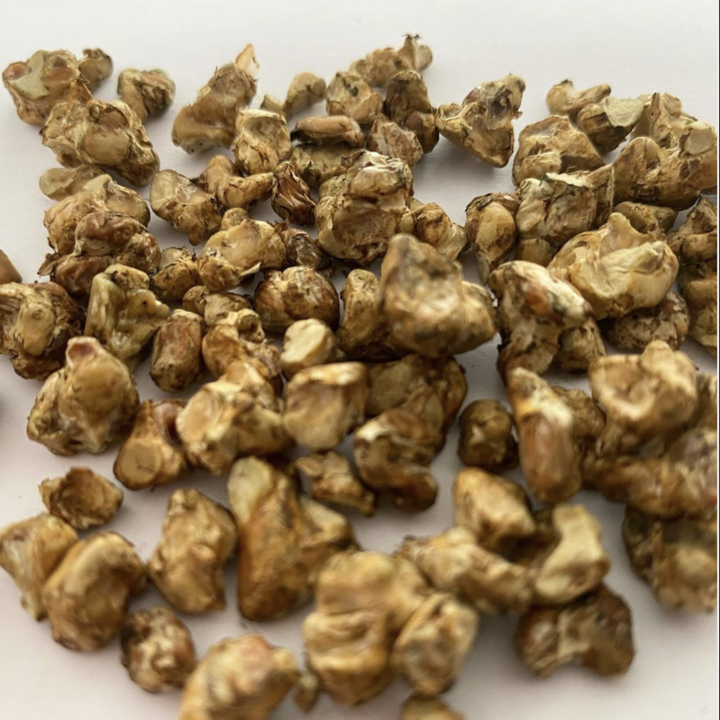
Some language learners pair lion’s mane with microdosing fresh psilocybin truffles, a practice popularised by mycologist Paul Stamets. The Paul Stamets stack combines a microdose (around 0.5 grams of fresh truffles), lion’s mane, and niacin. The theory is that psilocybin promotes neuroplasticity while lion’s mane sustains it through NGF stimulation, and niacin enhances delivery to peripheral nerves.
Research on psilocybin’s neuroplastic effects is growing. A 2021 study in Nature showed that psilocybin increases dendritic spine density in mice, a marker of new synaptic connections. If you are interested in exploring microdosing alongside language study, our complete microdosing guide provides a comprehensive introduction.
The combination may be especially relevant for learners hitting a plateau. Neuroplasticity tends to decline with age, making it harder to acquire new languages later in life. Lion’s mane and microdosing may offer complementary support, though more research is needed to confirm synergistic effects.
How long does it take for lion's mane to show effects?
Lion’s mane is not a quick fix. Most users report noticeable cognitive benefits after four to eight weeks of daily supplementation. This aligns with the time required for NGF levels to rise and for structural changes in the brain to occur.
For language learners, this means lion’s mane is best viewed as a long-term support tool rather than a study session enhancer. Pair it with consistent practice, spaced repetition systems, and immersive listening. The mushroom works in the background, supporting the neural infrastructure that makes learning possible.
Typical dosing for cognitive support ranges from 500 to 3000 mg of extract per day. Our lion’s mane liquid offers flexible dosing for those who prefer tinctures over capsules. Start at the lower end and increase gradually based on your response.
Who is lion's mane and language learning suitable for?
Lion’s mane suits anyone engaged in sustained cognitive effort, particularly:
- Polyglots and language enthusiasts working on multiple languages simultaneously
- Students preparing for language exams or studying abroad
- Expats and immigrants learning a new language for work or integration
- Older adults looking to maintain cognitive flexibility while learning
Lion’s mane is generally well-tolerated with minimal side effects. Some users report mild digestive upset when starting. It is not recommended for individuals with mushroom allergies or those on anticoagulant medications without consulting a healthcare provider.
If you are exploring functional mushroom supplements more broadly, consider combining lion’s mane with reishi for stress management or cordyceps for sustained energy during long study sessions.
What does the research say about lion's mane and cognitive function?
Human research on lion’s mane remains limited but promising. A 2009 double-blind, placebo-controlled trial in Japan found that participants aged 50 to 80 with mild cognitive impairment showed significantly improved scores on cognitive function scales after 16 weeks of lion’s mane supplementation. Benefits disappeared four weeks after stopping, suggesting the need for ongoing use.
A 2020 review in International Journal of Medicinal Mushrooms highlighted lion’s mane’s potential for neurodegenerative conditions, citing its ability to promote myelination, reduce inflammation, and stimulate NGF synthesis. While these studies focus on ageing and disease, the mechanisms are relevant to anyone seeking cognitive enhancement.
More targeted research on language learning and neuroplasticity is needed. Until then, the evidence for general cognitive support, memory, and neuroprotection provides a reasonable foundation for cautious optimism. For a broader look at evidence-backed cognitive approaches, see what the research says about microdosing.
Frequently asked questions
Can I take lion’s mane every day for language learning?
Yes. Lion’s mane is safe for daily use and works best with consistent supplementation over weeks or months. Most users take 500 to 3000 mg of extract per day, depending on the product and concentration.
Does lion’s mane work immediately for studying?
No. Lion’s mane supports long-term brain health and neuroplasticity, not acute focus. Expect benefits after four to eight weeks of regular use. For immediate focus support, consider pairing it with other strategies like caffeine, structured breaks, or a microdosing protocol.
Can I combine lion’s mane with microdosing truffles?
Yes. The Paul Stamets stack combines a microdose of fresh truffles (around 0.5 grams), lion’s mane, and niacin for neuroplasticity support. Many users report enhanced learning and creativity with this combination. Start with our starters deal if you are new to microdosing.
Are there any side effects of lion’s mane?
Lion’s mane is generally well-tolerated. Some users experience mild digestive discomfort when starting. Avoid if you have a mushroom allergy. Consult a healthcare provider if you are on anticoagulant medication.
Which form is better for language learning, capsules or liquid?
Both work well. Capsules offer convenience and precise dosing, while liquid tinctures allow flexible dosing and faster absorption. Choose based on your preference. Our functional mushroom range includes both options.
How does lion’s mane compare to other nootropics for language study?
Lion’s mane supports long-term brain structure rather than acute performance. It pairs well with stimulants like caffeine for focus or adaptogens like ashwagandha for stress. Unlike synthetic nootropics, it has a strong safety profile and traditional use history.
Final thoughts on lion's mane and language learning
While direct evidence linking lion’s mane and language learning remains limited, the mushroom’s well-documented effects on nerve growth factor, neuroplasticity, and memory make it a compelling option for learners seeking cognitive support. Pair it with consistent practice, immersion, and patience. Visit our shop to explore lion’s mane and other functional mushrooms designed to support your goals.