- Written on
- 8 min. reading time

A cortisol-lowering stack that combines ashwagandha, reishi and magnesium works on different stress pathways simultaneously. Ashwagandha regulates the hypothalamic-pituitary-adrenal (HPA) axis, reishi modulates immune-driven inflammation that worsens stress, and magnesium calms the nervous system at the cellular level. Together, they address stress more comprehensively than any single supplement can alone.
Why one supplement isn't enough
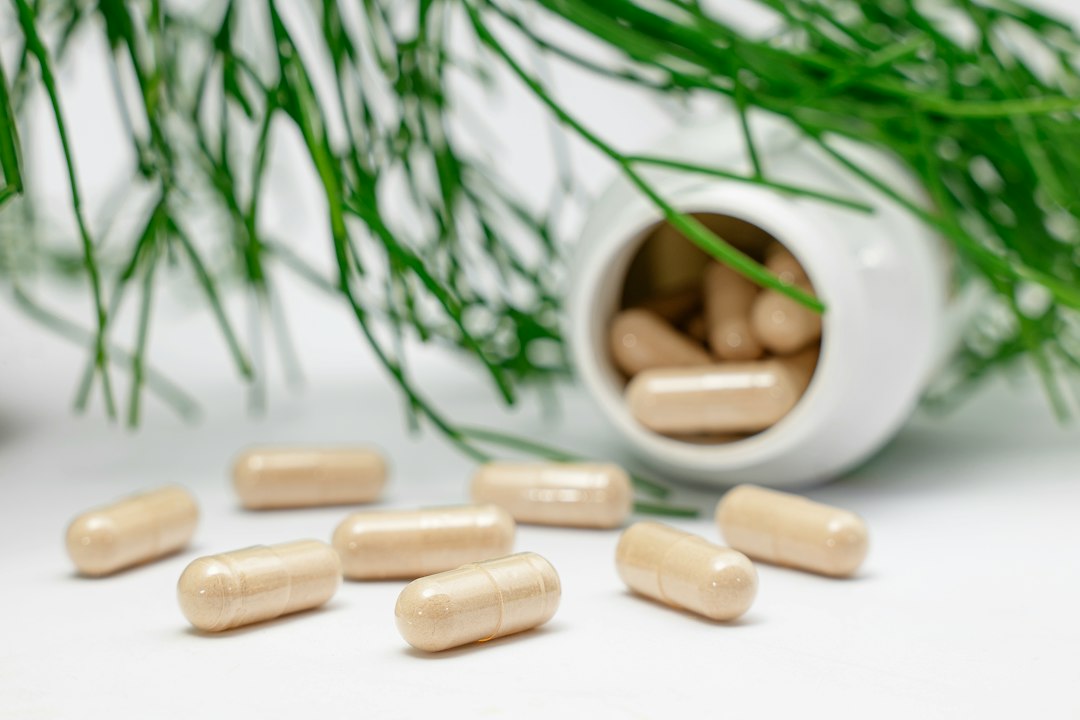
Chronic stress doesn’t have one cause or one mechanism. When you’re under pressure for weeks or months, your body responds on multiple fronts: cortisol rises, inflammatory cytokines increase, magnesium gets depleted through urine, and your nervous system stays locked in fight-or-flight mode.
A single supplement might help with one part of this cascade, but it leaves the others untouched. Ashwagandha alone won’t fix a magnesium deficiency. Magnesium alone won’t lower cortisol if your HPA axis is dysregulated. Reishi alone won’t calm an overactive sympathetic nervous system.
That’s why stacking these three makes physiological sense. Each one targets a different node in the stress response, and together they create a more stable baseline than any single ingredient.
How ashwagandha lowers cortisol
Ashwagandha is an adaptogen that works primarily on the HPA axis, the hormonal loop that governs your stress response. When this axis is overactive, your adrenal glands pump out cortisol even when the stressor is gone.
Multiple randomised controlled trials show that ashwagandha extract (specifically KSM-66, the form we stock) reduces serum cortisol by 20 to 30 percent over eight weeks. It does this by modulating cortisol receptor sensitivity and supporting adrenal regulation, not by blocking cortisol outright.
This matters because cortisol isn’t the enemy. You need it to wake up, respond to real threats, and maintain energy. Ashwagandha helps your body produce cortisol when it’s needed and dial it down when it’s not. For chronically stressed professionals, that recalibration is everything.
How reishi reduces stress-driven inflammation
Reishi (Ganoderma lucidum) is a medicinal mushroom with potent immunomodulatory and anti-inflammatory properties. Chronic stress triggers low-grade inflammation, which in turn makes you more reactive to stressors. It’s a vicious cycle.
Reishi contains triterpenoids and polysaccharides that calm overactive immune responses and reduce inflammatory cytokines like IL-6 and TNF-alpha. In Traditional Chinese Medicine, reishi is called the ‘mushroom of immortality’ and has been used for centuries to promote calm and longevity.
Modern research backs this up. Studies show reishi improves subjective well-being, reduces fatigue, and supports better sleep, all of which are compromised by chronic stress. It doesn’t sedate you. Instead, it helps your body stop overreacting.
How magnesium calms the nervous system
Magnesium is involved in over 300 enzymatic reactions, many of which regulate nervous system function. It acts as a natural calcium channel blocker, preventing excessive neuronal firing. In plain terms, it stops your brain from being overstimulated.
Stress depletes magnesium rapidly. When you’re anxious or under pressure, your body excretes more magnesium through urine, which then makes you more prone to anxiety. It’s another self-reinforcing loop.
Magnesium bisglycinate, the form in our Calm & Recovery Stack, is highly bioavailable and gentle on the gut. It supports GABA function (your main calming neurotransmitter), reduces muscle tension, and improves sleep quality. Many people notice a difference within the first week.
Why combining them works better
The cortisol-lowering stack isn’t about doubling up on the same mechanism. It’s about covering more ground. Here’s what that looks like in practice:
- Ashwagandha regulates cortisol production and adrenal output (hormonal)
- Reishi reduces immune-driven inflammation and promotes calm without sedation (immune and mood)
- Magnesium calms the nervous system and improves sleep architecture (neurological)
When all three are on board, you’re not just managing symptoms. You’re giving your body the tools to restore balance across multiple systems. That’s why users of this stack often report feeling more resilient, not just less anxious.
It’s also worth noting that these three don’t interact negatively. They work on separate pathways, so there’s no risk of overlap or interference. That makes this combination both safe and synergistic.
Who should consider this stack
This stack is best suited for people dealing with chronic, low-to-moderate stress rather than acute crisis. If you’re a professional in your 30s or 40s juggling deadlines, family responsibilities, and the background hum of always being ‘on’, this is for you.
Common signs you might benefit:
- You wake up tired even after seven or eight hours of sleep
- You feel wired but exhausted at the same time
- You’re irritable or snap more easily than you used to
- You can’t fully switch off, even during downtime
- You have muscle tension, headaches, or digestive issues tied to stress
If you’re already taking medication for anxiety or depression, consult your doctor before adding ashwagandha or reishi. Both are generally safe, but it’s always worth checking for interactions.
How to take the cortisol-lowering stack
Timing matters with this combination. Here’s what works for most people:
- Ashwagandha: 600 mg once daily, ideally in the evening. Some people prefer morning dosing if they find it energising, but evening tends to support better sleep.
- Reishi: 1000 to 1500 mg daily, taken in the evening. Reishi has a mild calming effect that complements wind-down routines.
- Magnesium bisglycinate: 200 to 400 mg before bed. Magnesium promotes relaxation and deeper sleep, so nighttime dosing is ideal.
You can take all three together in the evening, or split ashwagandha to the morning if you prefer. Consistency matters more than exact timing. Give it at least four weeks before assessing results.
As with ashwagandha, some practitioners recommend cycling this stack: eight weeks on, two weeks off. This prevents tolerance and gives your body a chance to maintain its own regulation. You can read more about ashwagandha cycling on our blog.
What to expect and how long it takes
Magnesium often works fastest. Many people notice better sleep and less muscle tension within the first week. Reishi and ashwagandha take longer, usually two to four weeks, because they’re working on deeper regulatory systems.
You won’t feel a sudden shift. The change is gradual: you might realise you didn’t snap at your colleague, or that you slept through the night without waking at 3am, or that Sunday evening dread isn’t as heavy as it used to be.
This stack doesn’t numb you or make you sleepy during the day. It helps you stay present and responsive without being reactive. That’s the hallmark of a well-regulated stress response.
Combining with other practices
Supplements work best as part of a broader approach. The cortisol-lowering stack is powerful, but it’s not a substitute for sleep, movement, and boundaries.
Pair it with:
- Seven to eight hours of sleep per night (the stack will help, but you still need to prioritise it)
- Regular movement, even just 20-minute walks
- Reduced caffeine intake, especially after midday
- Time away from screens in the evening
Some people also combine this stack with microdosing psilocybin for deeper emotional processing and perspective shifts. If you’re curious about that route, our guide covers the basics and our starter pack includes everything you need to begin safely.
Where to find the stack
We offer all three components individually, or you can find them bundled in our health supplements range. The ashwagandha we stock is KSM-66, the most researched extract. Our reishi and magnesium are both high-quality, bioavailable forms designed for daily use.
You can browse the full range in our shop, or reach out if you have questions about dosing or combinations.
Frequently asked questions
Can I take this stack if I’m already on antidepressants?
Ashwagandha and reishi are generally well tolerated, but both can interact with certain medications. Ashwagandha may enhance the effects of sedatives or thyroid medication, and reishi can affect blood clotting. Always check with your prescribing doctor before adding supplements to your regimen.
How long should I stay on the cortisol-lowering stack?
Most people use it for eight to twelve weeks, then take a two-week break to assess how they feel without it. Some continue long-term with periodic breaks. Listen to your body and adjust based on your stress load and how you respond.
Will this stack make me feel drowsy during the day?
No. Magnesium and reishi promote relaxation and better sleep at night, but they don’t cause daytime sedation when taken at the recommended doses. Ashwagandha helps regulate energy rather than suppressing it. You should feel calmer and more resilient, not sluggish.
Can I take this stack alongside microdosing?
Yes. Many people combine stress-support supplements with a microdosing protocol. There are no known negative interactions between psilocybin truffles and ashwagandha, reishi or magnesium. In fact, the combination may support deeper emotional regulation and resilience.
Is it safe to take all three together every evening?
Yes. These three supplements work on different pathways and don’t interfere with each other. Taking them together in the evening is a common and effective approach. Just follow the recommended doses and don’t exceed them without guidance.
What if I only want to start with one supplement?
That’s fine. Magnesium is a good starting point if sleep and muscle tension are your main issues. Ashwagandha is best if you know your cortisol is elevated or you feel wired and restless. Reishi works well if stress is affecting your immune system or you feel run down. You can always add the others later.
Final thoughts
The cortisol-lowering stack of ashwagandha, reishi and magnesium offers a multi-system approach to chronic stress that no single supplement can match. By addressing hormonal dysregulation, inflammation and nervous system overactivity at once, this combination helps restore the resilience you’ve been missing. If you’re ready to try it, explore our health supplements range or get in touch with any questions.