- Scritto il
- 6 min. di lettura

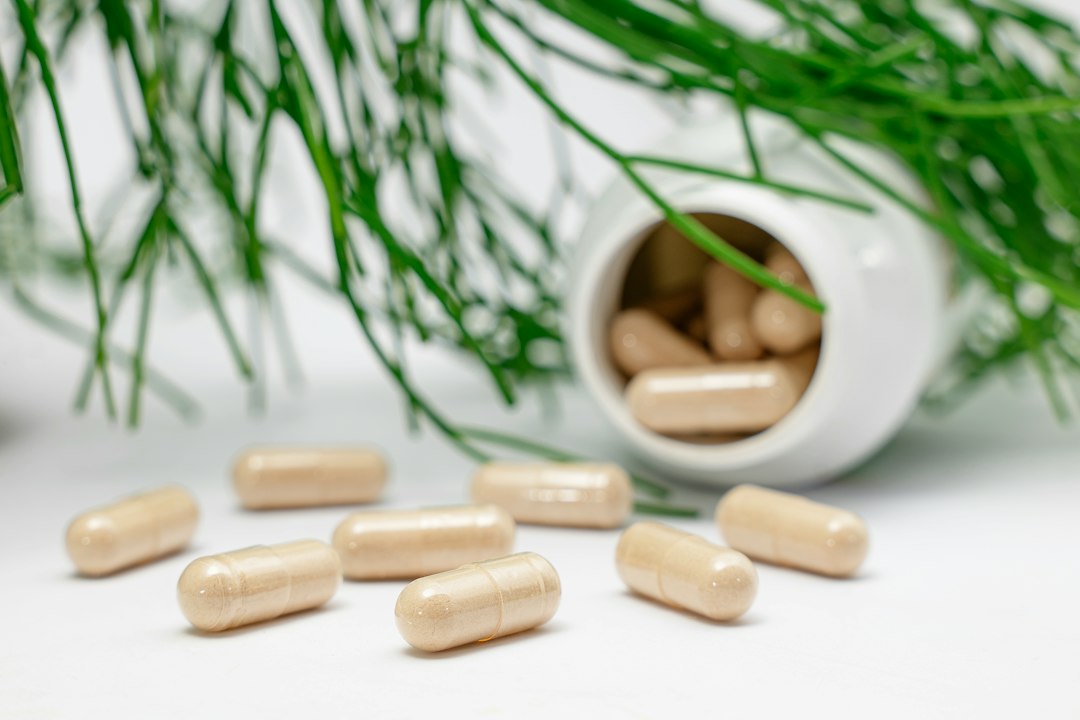
When comparing chaga tea vs extract, the main difference comes down to bioavailability: how much of the beneficial compounds your body actually absorbs. Traditional chaga tea prepared through long simmering can extract water-soluble polysaccharides effectively, but misses many of the alcohol-soluble compounds like betulinic acid and triterpenes. Dual-extraction capsules capture both, offering a more complete spectrum of chaga’s bioactive compounds in a consistent, measured dose.
What makes chaga different from other medicinal mushrooms?
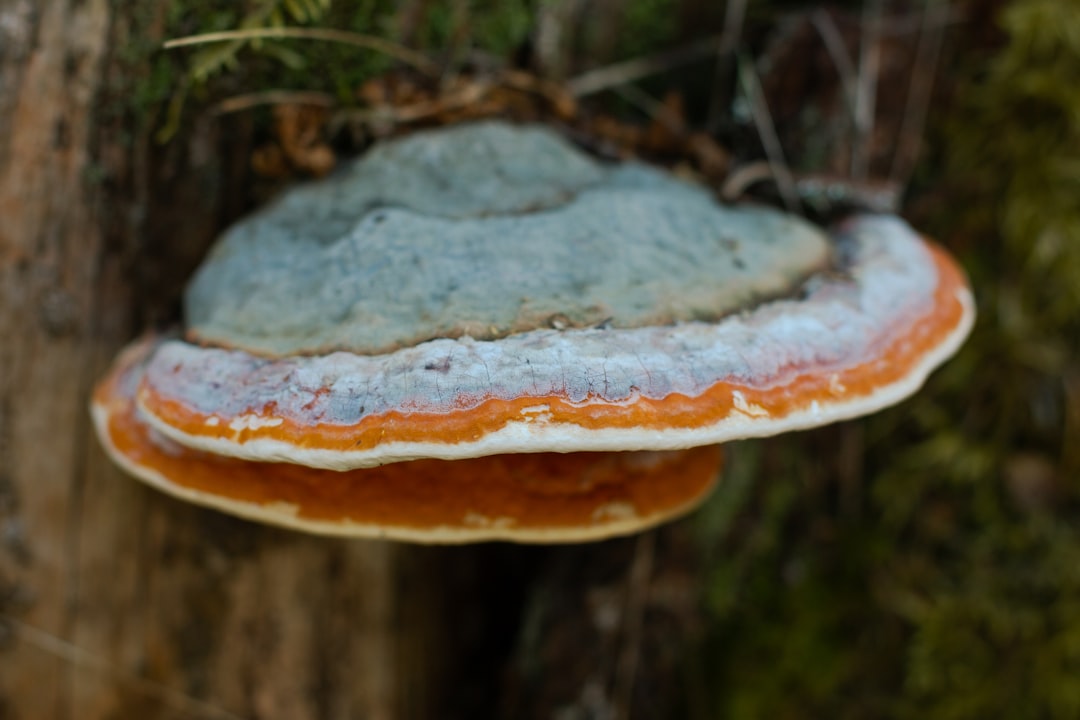
Chaga (Inonotus obliquus) is technically not a mushroom but a sclerotium: a dense, black, crusty growth that forms on birch trees in cold climates. Unlike fruiting body mushrooms, chaga concentrates an unusual range of compounds because it slowly parasitizes the host tree over decades, accumulating nutrients from the birch bark itself.
This includes betulin from the birch, which chaga converts into betulinic acid, a compound studied for immune-modulating and antioxidant properties. Chaga also contains melanin (responsible for its dark color), beta-glucans, polysaccharides, and a spectrum of minerals. The challenge is that these compounds have different solubilities: some dissolve in water, others require alcohol extraction.
How traditional chaga tea is prepared
The wild forager method involves breaking chaga chunks into smaller pieces and simmering them in water for several hours, sometimes repeatedly using the same pieces across multiple brews. The longer and slower the extraction, the more water-soluble compounds like polysaccharides are released.
Traditional preparation is labor-intensive but carries a certain ritualistic appeal. It produces a dark, earthy tea with a mild, slightly bitter taste. The method has been used for centuries in Siberia, Russia, and northern Europe, often as a daily tonic during winter months.
The limitation: water extraction alone cannot access triterpenes, betulinic acid, or other non-polar compounds locked in chaga’s dense structure. For those, you need alcohol or a dual-extraction process.
What is dual extraction and why does it matter?
Dual extraction uses both hot water and alcohol to capture the full spectrum of bioactive compounds. The process typically starts with alcohol extraction to pull out triterpenes and fat-soluble components, followed by hot water extraction for beta-glucans and polysaccharides. The two extracts are then combined and concentrated.
This method yields a much more complete profile than tea alone. While traditional tea might deliver 30-40% of chaga’s active compounds, dual extraction can reach 60-80% depending on the quality of the raw material and processing. That translates to better bioavailability and more consistent effects.
Our chaga capsules use dual extraction, standardized to deliver a precise dose of polysaccharides and triterpenes in every serving. For those who prefer liquid form, our chaga liquid offers the same dual-extracted profile with flexible dosing.
Chaga tea vs extract: bioavailability breakdown
Here is how the two methods compare on key factors:
- Polysaccharides and beta-glucans: Both methods deliver these well, assuming long simmering for tea. Roughly equivalent.
- Triterpenes and betulinic acid: Tea delivers almost none. Extract wins decisively.
- Melanin and antioxidants: Both deliver these, though extracts may concentrate them more efficiently.
- Consistency: Extract provides standardized dosing. Tea varies widely depending on chunk size, brew time, and water temperature.
- Convenience: Capsules take seconds. Tea requires hours of preparation.
If your goal is immune support driven primarily by beta-glucans, chaga tea prepared properly can work. If you want the full therapeutic range, including the compounds studied for metabolic and cellular health, dual-extraction is the more evidence-aligned choice.
Does the ritual of tea-making add value?
There is something to be said for the process itself. Preparing chaga tea is meditative, grounding, and connects you to a lineage of traditional use. For some, that ritual is part of the benefit, especially if the act of slowing down and tending to something over hours contributes to stress reduction and mindfulness.
But ritual should not be confused with efficacy. The bioactive compounds do not care whether you simmered them with intention or swallowed them in capsule form. The body absorbs what is chemically available, and dual extraction simply makes more available.
That said, there is no reason you cannot combine both. Drink chaga tea for the experience, and use a dual-extracted supplement from our functional mushroom range for consistent therapeutic support.
Who should choose chaga tea, and who should choose extract?
Choose chaga tea if you enjoy the preparation process, have access to high-quality wild-harvested chaga, and your primary interest is immune support through polysaccharides. It is also a good choice if you appreciate traditional herbalism and want a warming, daily tonic without capsules.
Choose dual-extracted capsules or liquid if you want the full spectrum of chaga’s compounds, need consistent dosing, value convenience, or are using chaga as part of a targeted supplement protocol. Extracts are also the better choice if you are combining chaga with other functional mushrooms or adaptogens, as they integrate more easily into structured routines.
For broader immune and resilience support, consider our Immunity & Resilience Stack, which pairs chaga with microdosing and ashwagandha for a synergistic approach to stress and immune modulation.
What to look for in a quality chaga extract
Not all extracts are created equal. Here is what matters:
- Source: Wild-harvested from birch trees in cold climates (Siberia, Canada, northern Europe). Cultivated chaga does not develop the same compound profile.
- Extraction method: Dual extraction (hot water + alcohol). Avoid products that only list ‘chaga powder’ without extraction details.
- Standardization: Look for standardized polysaccharide or beta-glucan content, ideally above 20-30%.
- No fillers: Pure extract, no grain fillers, maltodextrin, or mycelium-on-grain products marketed as mushroom extracts.
- Third-party testing: Verification of active compounds and absence of heavy metals or contaminants.
Our chaga products meet all these criteria, sourced from wild birch forests and processed using full-spectrum dual extraction.
Frequently asked questions
Can I make chaga tea from the same chunks multiple times?
Yes, chaga chunks can be reused 3-5 times depending on size and brew duration. Each subsequent brew will be weaker, so some people combine multiple rounds into a single batch or freeze the liquid and add to the next brew for cumulative strength.
Does chaga tea contain caffeine?
No, chaga contains no caffeine. Any perceived energy boost comes from adaptogenic effects on stress response and metabolic support, not stimulation. It is safe to drink in the evening without affecting sleep.
How much chaga extract should I take daily?
Typical dosing for dual-extracted chaga is 500-1000 mg per day, standardized to at least 20% polysaccharides. Start at the lower end and increase if needed. Chaga is generally well-tolerated and can be taken long-term.
Is wild-foraged chaga better than cultivated?
Yes, significantly. Chaga develops its unique compound profile by parasitizing birch trees over 10-20 years. Cultivated chaga grown on sawdust or in labs does not accumulate betulin, triterpenes, or the same polysaccharide density. Always choose wild-harvested.
Can I combine chaga tea with chaga extract?
Absolutely. There is no harm in using both. Drink the tea for enjoyment and ritual, and take the extract for reliable, full-spectrum therapeutic support. They complement rather than compete.
Does chaga interact with medications?
Chaga may have mild blood-thinning effects and could theoretically interact with anticoagulants. It may also lower blood sugar, so monitor if you are on diabetes medication. Always consult your doctor if you are on prescription drugs or have a medical condition.
Conclusion
The debate of chaga tea vs extract does not need a single winner. Traditional tea offers connection, ritual, and solid immune support through water-soluble compounds. Dual-extraction capsules and liquids deliver superior bioavailability, capturing the full therapeutic spectrum chaga has to offer. For most people seeking measurable, consistent health benefits, the extract is the smarter choice. Explore our full range of functional mushrooms and supplements to find what fits your routine.