- Written on Modified on
- 5 min. reading time
The sober curious movement has swept across the UK over the past few years, with more adults questioning their relationship with alcohol and seeking weekend experiences that don’t revolve around pints at the pub. While Dry January may have planted the seed, many are extending the experiment year-round, looking for alternatives that offer social connection, relaxation, or a shift in perspective without the hangover, empty calories, or foggy regrets.
Enter psilocybin truffles. For some exploring life beyond booze, these naturally occurring fungi are becoming part of a reimagined weekend ritual, one that trades the numbing effects of alcohol for something more intentional and potentially transformative. Before we go further, let’s be clear about the legal landscape: psilocybin truffles are legally sold and consumed in the Netherlands, where they contain the same active compound as magic mushrooms but remain in a legal grey area due to their underground growth form. In the UK and most of Europe, personal possession laws vary, so it’s essential to understand your local regulations.
Why sober curious adults are reconsidering psychedelics
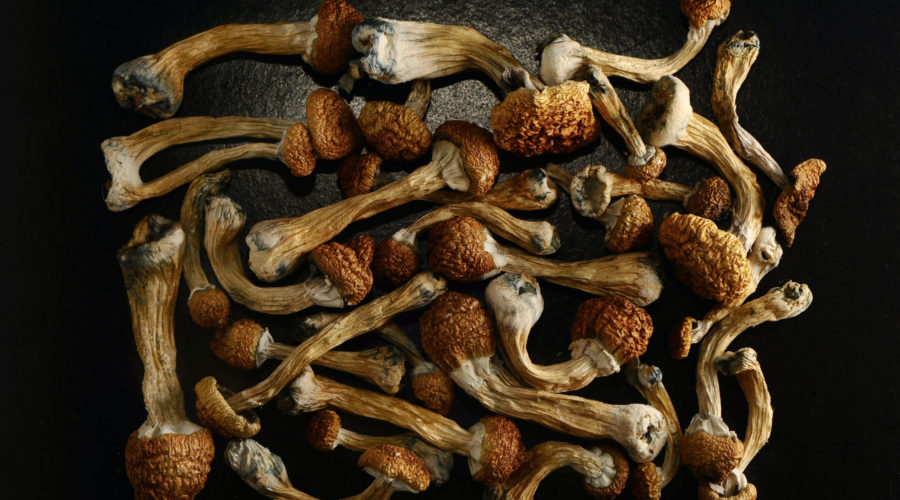
The sober curious mindset isn’t necessarily about total abstinence. It’s about being more deliberate with what you put into your body and why. Alcohol, for all its social lubricant qualities, is a depressant that dulls sensation and cognitive function. The appeal fades when you start noticing the two-day recovery period, disrupted sleep, anxiety spikes, and the way it quietly erodes your weekends.
Psilocybin operates on an entirely different mechanism. Rather than suppressing neural activity, it temporarily enhances connectivity between brain regions that don’t normally communicate much. Users often report heightened sensory perception, emotional openness, pattern recognition, and a sense of presence that feels opposite to alcohol’s fog. Where drinking can make you forget the night, a truffle experience tends to be vividly remembered, often described as meaningful or insightful.
This isn’t to romanticize it. Psilocybin isn’t a magic cure for boredom or social anxiety, and it certainly isn’t for everyone. But for those already questioning whether there’s more to a weekend than drinking to unwind, it offers a fundamentally different kind of experience.
What a recreational truffle experience actually looks like
Let’s talk practically. A recreational dose of psilocybin truffles, typically between 10-15 grams of fresh truffles, produces effects that last four to six hours. The experience unfolds in waves: a come-up period where you might feel slightly anxious or giddy, a peak where visual and cognitive shifts are most pronounced, and a gradual descent back to baseline, often accompanied by a contemplative, slightly tender mood.
Unlike a night out drinking, this isn’t an activity you do while doing other things. It requires setting aside time, ideally a full day, in a comfortable and safe environment. Many people choose a quiet Saturday at home with close friends, a walk in nature, or an evening with music and low lighting. The context matters enormously. This is where the harm reduction principles of set and setting come in: your mindset going in and the physical and social environment you create.
Having a sober trip sitter, someone who remains unaffected and can provide reassurance if things feel overwhelming, is a wise precaution, especially for first-timers or higher doses. Psilocybin is physiologically safe with no known lethal dose, but the psychological intensity can be challenging if you’re unprepared or in a stressful environment.
The contrast with alcohol culture
One of the starkest differences between alcohol and psilocybin is the relationship each fosters with introspection. Alcohol lets you avoid uncomfortable feelings. Psilocybin, particularly at recreational doses, often brings them to the surface. For some, this is precisely the appeal: a chance to examine patterns, relationships, or emotions that get buried during the week.
There’s also the matter of frequency. While alcohol can easily become a nightly habit, psilocybin experiences tend to be naturally self-limiting. The intensity and emotional weight of a trip mean most people feel no desire to repeat it often. Once every few months is common. This built-in moderation aligns well with sober curious values: intentionality over routine, quality over quantity.
And then there’s the social element. Drinking culture is deeply embedded in UK social life, from work events to Sunday roasts. Psychedelics don’t fit neatly into that framework, which can feel isolating or liberating depending on your perspective. But they do create their own kind of bonding. Sharing a truffle experience with trusted friends often generates a sense of connection and vulnerability that’s hard to replicate in a loud pub.
Combining approaches: microdosing and recreational use
It’s worth noting that not everyone interested in psilocybin wants a full-blown psychedelic experience. Many sober curious individuals start with microdosing, taking sub-perceptual amounts (typically 0.5-1 gram of truffles) to support mood, creativity, or focus without any hallucinations or time commitment. Our complete microdosing guide breaks down protocols and what to expect for those exploring this gentler introduction.
Microdosing and occasional recreational use aren’t mutually exclusive. Some people microdose during the week for subtle benefits and reserve higher doses for intentional weekend experiences. This flexible approach lets you tailor psilocybin use to your goals, whether that’s daily support or periodic reset moments.
Practical considerations and harm reduction
If you’re considering trying psilocybin truffles as an alternative weekend ritual, here are some grounded, practical pointers:
Start lower than you think. You can always take more next time, but you can’t untake a dose that’s too high. For a first experience, 7-10 grams offers a meaningful introduction without overwhelming intensity.
Clear your calendar. Don’t squeeze a trip into a busy weekend. Give yourself the day, plus recovery time the next day if needed. Most people feel tired but mentally clear the day after.
Prepare your environment. Comfortable seating, access to nature or calming visuals, good music, water, and light snacks. Avoid settings that could become stressful (crowded places, unfamiliar locations, anywhere you need to perform socially).
Mind your mental health baseline. Psilocybin can amplify existing emotional states. If you’re going through acute anxiety, depression, or trauma, it’s worth waiting for a more stable period or working with a professional guide if available.
Source responsibly. Quality matters. Our shop offers lab-tested truffles with consistent potency, so you know what you’re getting.