- Written on Modified on
- 7 min. reading time

Should you cycle ashwagandha?
There’s no strict medical rule requiring you to cycle ashwagandha, but many people choose to take periodic breaks. A common approach is to take ashwagandha daily for around 2 months, followed by a break of 1–2 weeks before starting again. The idea behind cycling is to give your body a reset and to keep the herb feeling effective over time, though evidence on tolerance to ashwagandha is still limited.
If you’re taking ashwagandha for stress or cortisol support, you may prefer to cycle it based on how you feel rather than a fixed schedule. Always check with a healthcare professional before starting, stopping, or cycling any supplement, especially if you take medication or have a health condition.
What is ashwagandha cycling?
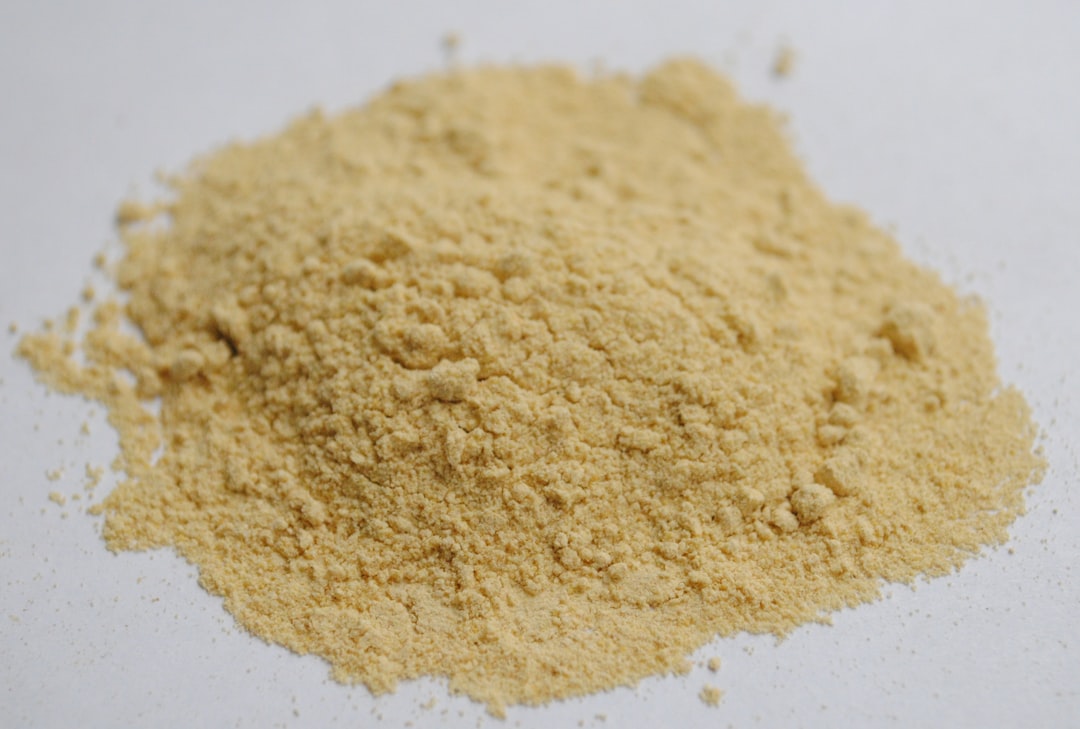
Ashwagandha cycling refers to the practice of taking scheduled breaks from supplementation rather than using it continuously without pause. This approach alternates periods of active use with rest periods to optimize benefits and minimize potential downsides.
Common cycling protocols include 5 days on with 2 days off each week, or longer patterns like 6-8 weeks of daily use followed by 1-2 weeks completely off. The optimal pattern depends on your goals, dosage, and how your body responds to the herb.
Unlike some supplements where cycling is absolutely necessary to prevent dependency, ashwagandha sits in a grey area. It’s not habit-forming, but strategic breaks may enhance its effectiveness over time.
Does ashwagandha cause tolerance?
The evidence on ashwagandha tolerance is mixed. Some long-term users report that the initial calming and energy-boosting effects diminish after several months of continuous use, suggesting a possible tolerance effect. However, clinical studies haven’t definitively proven this phenomenon.
What we do know is that ashwagandha works partly by modulating the HPA axis, your body’s stress response system. Like many adaptogenic herbs, continuous stimulation of these pathways without rest periods could theoretically lead to diminished responsiveness. Taking breaks allows these systems to return to baseline.
If you notice ashwagandha isn’t working as well as it once did, a 1-2 week break often restores the original benefits. This practical observation supports the case for ashwagandha cycling, even if the exact mechanism isn’t fully understood.
How does ashwagandha affect hormones over time?
Ashwagandha influences several hormonal pathways, including cortisol, thyroid hormones, and testosterone. While these effects are generally beneficial in the short to medium term, there’s a reasonable argument for periodic breaks to prevent overcorrection.
Cortisol regulation: Ashwagandha’s most well-documented effect is reducing chronically elevated cortisol. However, cortisol isn’t inherently bad; you need appropriate levels for healthy immune function, energy, and stress response. Long-term suppression without breaks could theoretically blunt your natural cortisol rhythm.
Thyroid considerations: Ashwagandha can increase thyroid hormone production, which is helpful for subclinical hypothyroidism but could be problematic for those with normal or elevated thyroid function. If you’re taking ashwagandha continuously, monitoring thyroid levels and incorporating breaks is prudent.
Testosterone and reproductive hormones: Studies show ashwagandha can boost testosterone in men and regulate menstrual cycles in women. These are positive effects for most people, but hormonal systems function best with natural variation, not constant external input. Breaks allow your endocrine system to self-regulate.
What are the recommended cycling schedules?
There’s no single correct ashwagandha cycling protocol, but here are evidence-informed approaches used by practitioners and experienced users:
- Standard cycle: 6-8 weeks daily use, followed by 1-2 weeks off. This aligns with the duration of most clinical studies and gives hormonal systems adequate reset time.
- Weekly cycle: 5 days on, 2 days off each week. This gentler approach suits those who prefer not to go extended periods without the supplement.
- Seasonal cycle: 3 months on during high-stress periods (autumn/winter), 1 month off during naturally calmer times. This mimics traditional Ayurvedic seasonal use.
- As-needed approach: Use ashwagandha during identifiable stress periods, then discontinue when life circumstances improve. This isn’t technically cycling but prevents unnecessary continuous use.
Start with the standard 6-8 week cycle with 1-2 weeks off. Track your subjective experience during both on and off periods to find what works for your body. You can explore our range of quality supplements including ashwagandha and other adaptogens to support your cycling protocol.
Who should definitely cycle ashwagandha?
While ashwagandha cycling benefits most long-term users, certain groups should prioritize structured breaks:
Those with thyroid conditions: If you have hypothyroidism (especially Hashimoto’s), hyperthyroidism, or are on thyroid medication, cycling is essential. Continuous use could interfere with your body’s natural regulation or medication effectiveness. Work with a healthcare provider to monitor levels.
High-dose users: Taking 600mg or more daily (common in clinical studies) places more demand on regulatory systems than lower doses. If you’re using therapeutic doses for specific conditions, implement structured breaks every 6-8 weeks.
People using multiple adaptogens: If you’re stacking ashwagandha with other adaptogens like rhodiola, holy basil, or lion’s mane and reishi, your HPA axis is receiving multiple regulatory inputs. Cycling at least one adaptogen at a time prevents excessive system modulation.
Those noticing diminished effects: If ashwagandha worked brilliantly at first but now feels less effective, your body is telling you it needs a reset. Take 2 weeks off, then reassess.
What should you expect during break periods?
Understanding what happens when you stop taking ashwagandha helps you navigate break periods confidently. Most people experience a gradual return to baseline rather than sudden withdrawal.
In the first 3-5 days off, you might notice a slight increase in stress reactivity or sleep disruption if ashwagandha was significantly helping these areas. This isn’t withdrawal; it’s simply your body readjusting to managing stress without external support. These effects are usually mild and temporary.
By the end of week one, most people feel stabilized at a new baseline. This is actually valuable information: the contrast between on and off periods helps you assess whether ashwagandha is genuinely beneficial for you or whether improvements came from other lifestyle changes.
After 1-2 weeks off, when you resume ashwagandha, many users report renewed sensitivity to its effects. This restoration of responsiveness is the primary benefit of ashwagandha cycling and why it’s worth the temporary break.
Can you combine ashwagandha with microdosing?
Many people interested in ashwagandha are also exploring microdosing psilocybin for mental clarity and emotional regulation. These practices can be complementary, but coordination is important.
Ashwagandha’s calming properties can help smooth the stimulating effects some people experience with psilocybin microdoses. If you’re following a structured microdosing protocol, you might take ashwagandha on both dosing and rest days for consistent stress support.
However, if you’re cycling ashwagandha, consider coordinating your break periods with breaks in your microdosing schedule. Most microdosing protocols include regular rest days or reset periods. Aligning these breaks gives your neurological and endocrine systems simultaneous recovery time.
If you’re new to both practices, start one at a time to understand individual effects before combining. Check out our complete microdosing guide for detailed protocols and safety information.
Frequently asked questions
How long should I take ashwagandha before taking a break?
Most evidence and practitioner recommendations suggest 6-8 weeks of daily use followed by 1-2 weeks off. This allows sufficient time to experience benefits while preventing potential tolerance or hormonal imbalances. Some people prefer weekly cycles of 5 days on, 2 days off, which also works well.
Will I lose the benefits of ashwagandha during break periods?
Some immediate effects like reduced stress reactivity may diminish during breaks, but many benefits, especially improvements to sleep patterns, hormone balance, and resilience, tend to persist for several weeks. The temporary reduction in acute effects is normal and actually helps restore sensitivity for when you resume.
Can I take ashwagandha continuously without breaks?
Ashwagandha is generally considered safe for continuous use, and some clinical studies have used it daily for up to a year without serious adverse effects. However, cycling may optimize long-term benefits and prevent subtle tolerance. If you choose continuous use, monitor thyroid function and watch for diminished effectiveness.
Should I taper off ashwagandha or stop suddenly?
Ashwagandha doesn’t create physical dependency, so you can stop suddenly without withdrawal symptoms. However, some people prefer a 3-4 day taper, reducing their dose by half, to allow a gentler transition. This is personal preference rather than medical necessity.
What’s the difference between cycling ashwagandha and cycling microdoses?
Both involve strategic breaks, but for different reasons. Microdosing protocols include rest days to prevent tolerance to psilocybin and maintain sensitivity. Ashwagandha cycling prevents potential hormonal overcorrection and maintains effectiveness. The two can be coordinated but serve distinct purposes.
How do I know if ashwagandha cycling is working for me?
Keep a simple log tracking stress levels, sleep quality, and energy during both on and off periods. If you notice restored or enhanced benefits when resuming after breaks, cycling is working. If you feel consistently better during use and noticeably worse during breaks with no adaptation, you might benefit from continuous use or a different cycling pattern.
Finding your personal cycling rhythm
While ashwagandha cycling isn’t strictly necessary, strategic breaks help maintain effectiveness, prevent potential hormonal imbalances, and give you valuable insight into the supplement’s true impact on your wellbeing. Start with a 6-8 week cycle followed by 1-2 weeks off, then adjust based on your personal response. Listen to your body, track your experience, and remember that supplements work best as part of a holistic approach to health that includes sleep, nutrition, and stress management.