- Written on Modified on
- 8 min. reading time

Solo tripping safety requires careful attention to both mindset (set) and environment (setting). When tripping alone with psilocybin truffles, having proper safety protocols in place transforms what could be risky into a manageable, even empowering experience. This means preparing your space, arranging backup support, and creating clear boundaries before you consume anything. For experienced users, solo journeys can offer profound insights, but only when approached with respect and preparation.
Why experienced users trip alone
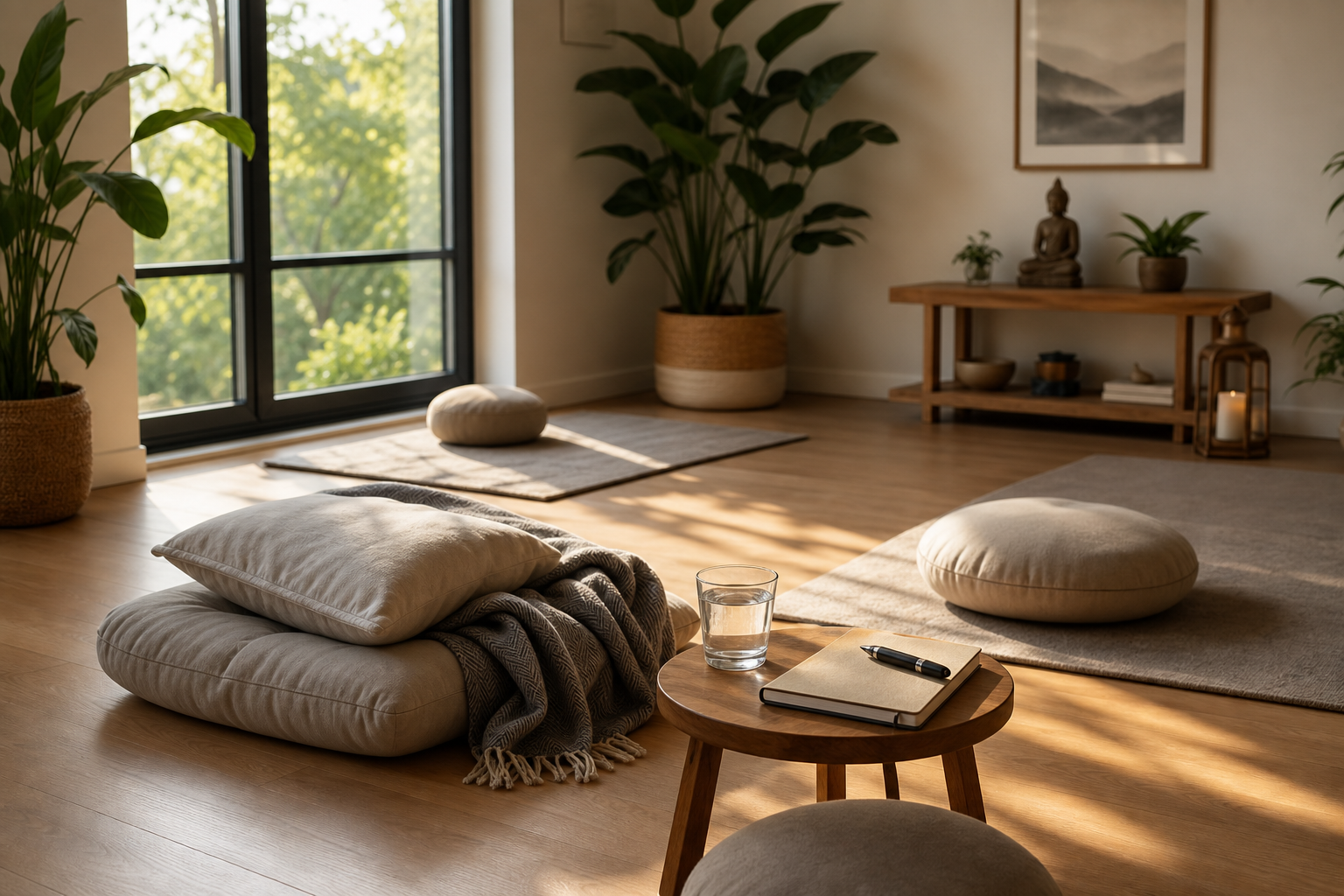
Many seasoned psychonauts eventually prefer solo experiences. Without social dynamics to navigate, you can focus entirely on your internal landscape. There’s no need to manage others’ emotions or moderate your behaviour for the group.
Solo sessions allow deeper introspection. You can cry, laugh, or sit in silence without self-consciousness. You control the music, lighting, and pace completely. For therapeutic work or creative exploration, this autonomy matters.
That said, solo tripping safety demands more preparation than group experiences. You’re your own first responder if things become challenging. The framework below addresses this reality head-on.
What makes solo tripping safety different from group trips?
Group trips offer built-in safety nets. If someone struggles, others can ground them. Conversation provides anchors to consensus reality. Simply having another person present reduces anxiety for many users.
Alone, you lose these automatic safeguards. A challenging thought loop can intensify without external interruption. Physical accidents, though rare, become more concerning when no one’s around to help immediately.
The solution isn’t avoiding solo trips. It’s building deliberate safety structures that replace what groups provide naturally. Think of it as engineering your own support system in advance.
Step 1: Arrange a remote trip sitter
A remote trip sitter stays on call during your journey. This person knows you’re tripping, remains sober, and can be reached by phone if needed. They don’t need psychedelic experience themselves, just calm availability.
Before your trip, brief them properly:
- What you’re taking and the dose (for recreational experiences with our fresh psilocybin truffles, this might be 10-15 grams for a medium trip or 15-25 grams for a deeper journey)
- Your expected timeline (onset in 30-60 minutes, peak at 2-3 hours, total duration 4-6 hours)
- When to expect a check-in message from you
- What constitutes an actual emergency versus normal intensity
Set a simple check-in protocol. Send them a predetermined emoji or short text at your peak to signal you’re okay. If they don’t hear from you within 30 minutes of the agreed time, they call. If you don’t answer after two attempts, they have permission to come by or send help.
This simple system dramatically improves solo tripping safety without requiring someone to sit with you physically for six hours.
Step 2: Optimize your physical environment
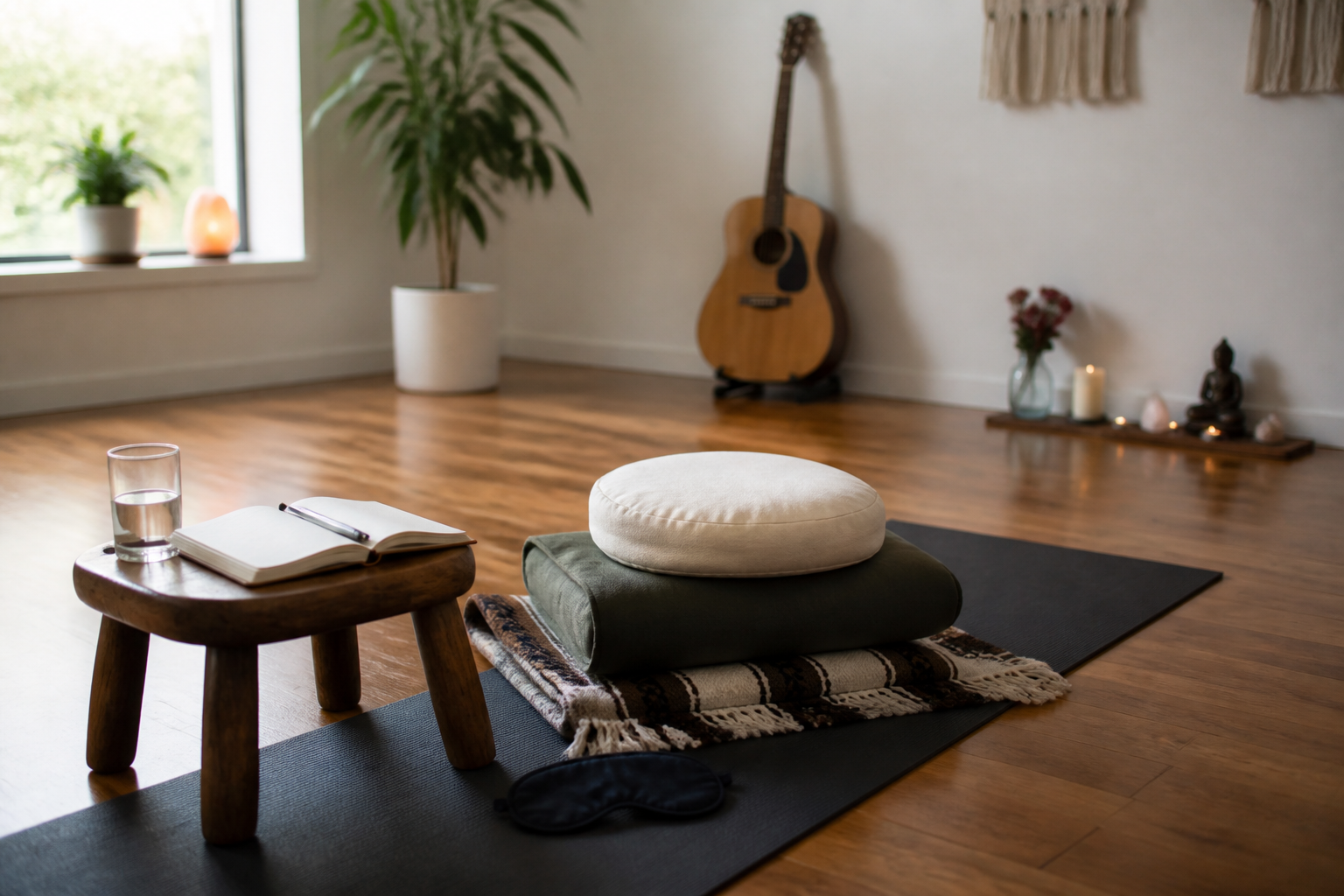
Your setting should minimize hazards and maximize comfort. Walk through your space the day before with fresh eyes, looking for anything that could cause problems.
Remove or secure:
- Sharp objects you might handle impulsively
- Candles that could get knocked over (use LED alternatives)
- Medications or substances you shouldn’t mix with psilocybin
- Keys to vehicles (put them somewhere requiring deliberate effort to access)
Prepare your comfort zone:
- Clean, organized space (clutter can become mentally overwhelming)
- Temperature control (blankets and fans ready)
- Prepared playlists (avoid algorithms that might surprise you)
- Water and light snacks within reach
- Bathroom clearly accessible with nightlight if needed
Consider having a dedicated “landing pad” space. A specific couch, bed, or cushioned area becomes your home base where you can always return if you feel unmoored during the experience.
Step 3: Create clear boundaries and intentions
Set is about your mental preparation. Before consuming anything, establish clear parameters for your journey. Write these down physically, they become an anchor if your thinking gets muddled.
Your intention: What question are you exploring? What would make this trip feel worthwhile? Keep it simple and open-ended. “Explore my relationship with creativity” works better than “solve my career crisis.”
Your boundaries: Decide in advance what you won’t do. Common examples include: no posting on social media, no contacting exes, no making important decisions, no leaving your home or designated space. Under the influence, these guardrails protect you from impulsive choices you’ll regret.
Write yourself a brief letter to read during the trip. Include reminders like “You’re safe, this is temporary, you chose this,” and “If you’re reading this and struggling, sit down, breathe slowly, and put on [specific calming song/playlist].” Your sober self coaches your tripping self.
Step 4: Time your trip strategically
When you trip matters as much as where. Choose a day when you have zero obligations for at least 24 hours after consumption. This buffer allows for integration time and ensures you’re not anxious about work or commitments while still processing.
Start early rather than late. Beginning your trip at 10 AM or noon means you’ll be through the peak before dark, and able to sleep normally that night. Evening trips can leave you awake at 3 AM, which compounds disorientation.
Check the weather if you plan any outdoor time during your come-down. Unexpected storms or extreme heat can become stressful when you’re not fully baseline. Have a backup plan for staying comfortably indoors if needed.
Tell housemates or neighbours in advance if relevant. A simple “I’m doing deep meditation work tomorrow and won’t be available” prevents awkward interruptions and ensures people won’t worry if you seem different.
Step 5: Prepare your integration tools
Solo tripping safety extends beyond the experience itself. Have tools ready to capture insights and process emotions during and after your journey.
Keep a voice recorder or notebook accessible. During the trip, you might have realisations you want to preserve. Don’t force documentation, but make it effortless if the urge arises. Audio recording is often easier than writing when coordination is altered.
Prepare a gentle re-entry plan. For the day after, schedule time alone for reflection before returning to social obligations. Light activities like walking in nature, journaling, or creating art help process what surfaced. Avoid immediately diving back into intense work or social demands.
Consider whether you’ll want to discuss your experience afterward. If so, identify who that person is in advance. Trying to explain a profound trip to someone unsympathetic can be frustrating. Choose someone who’ll listen without judgment.
For those newer to solo experiences, our complete microdosing guide offers additional context on working with psilocybin intentionally, though it focuses on sub-perceptual doses rather than recreational trips.
What to do if things become difficult
Even with perfect preparation, challenging moments can arise. Having a protocol helps you respond rather than panic.
Immediate grounding techniques:
- Change your physical position (lie down if standing, sit up if lying down)
- Change location within your space (different room or area)
- Change sensory input (new music, lights on/off, different temperature)
- Focus on breath, counting slowly to four on inhale, six on exhale
If distress continues beyond 15-20 minutes despite these changes, contact your remote sitter. Simply hearing a calm, familiar voice often reorients you. They don’t need to “fix” anything, just be present on the phone while you breathe and ride it out.
Remember: no one has ever died from psilocybin toxicity alone. What you’re experiencing is temporary. Peak intensity lasts 2-3 hours maximum, then gradually softens. This knowledge itself can be comforting when time feels distorted.
True emergencies requiring medical help are exceptionally rare and usually involve pre-existing conditions or substance combinations. But if you’re genuinely concerned about your physical safety, don’t hesitate to call emergency services. Healthcare providers have seen this before and will help without judgment.
Solo tripping versus microdosing: different protocols
It’s worth distinguishing between recreational solo trips and microdosing practices. A microdose of fresh psilocybin truffles (around 0.5 grams) is sub-perceptual and doesn’t require the same safety framework discussed here. You remain fully functional and can go about your normal day.
Recreational doses (10-25 grams of fresh truffles depending on desired intensity) create altered consciousness that demands the preparation outlined in this article. Don’t confuse the two practices, they serve different purposes and require different approaches.
Some experienced users work up from microdosing to solo trips gradually, building familiarity with how psilocybin affects them personally before diving into deeper waters alone. There’s no rush to trip solo if you’re not ready.
Frequently asked questions
Should beginners ever trip alone?
No, first-time psychedelic users should always have an experienced sober sitter physically present. Solo tripping is for those who already understand how they respond to psilocybin and can recognize the difference between normal intensity and actual crisis. Build experience in supported settings first.
How do I choose a good remote trip sitter?
Look for someone calm under pressure, reliable, non-judgmental about psychedelic use, and genuinely available during your trip window. They should be someone you trust completely and feel comfortable calling if things get weird. A close friend or family member who understands this work often makes the best choice.
What dose is appropriate for solo tripping?
This depends entirely on your experience level. If it’s your first solo trip, choose a dose at least 20-30% lower than what you’ve handled comfortably with others present. For fresh psilocybin truffles, 10-12 grams creates a moderate experience, while 15-20 grams moves into deeper territory. Heroic doses (25+ grams) solo are only for very experienced practitioners.
Is it safe to go outside during a solo trip?
Outside time during the gentler phases (come-up or come-down) can be beautiful, but stay in private, enclosed spaces like your garden. Avoid public areas, roads, or anywhere requiring navigation or social interaction. During peak effects (hours 2-4), staying indoors is wisest. Never drive or operate machinery under any circumstances.
What if my trip sitter needs to come over?
Discuss this possibility in advance. They should have a key or know how to access your space safely. If they arrive, their role is calm presence and ensuring your physical safety, not trying to “talk you down” or make the experience end. Having them simply sit nearby while you process often provides enough reassurance.
How soon after a solo trip can I trip again?
Physically, psilocybin tolerance resets within 7-14 days. Psychologically and for safety reasons, wait longer. Integration takes time. Most experienced users space recreational trips at least 4-8 weeks apart, sometimes much longer. Solo trips especially deserve thorough processing before repeating.
Conclusion
Solo tripping safety comes down to preparation, boundaries, and backup systems. With proper set and setting, experienced users can explore consciousness alone while maintaining reasonable safeguards. Approach solo journeys with respect, never rush into them, and always prioritize safety over bravado.