- Written on Modified on
- 6 min. reading time

A recovery day protocol helps your body bounce back after intense physical or mental stress. Whether you’ve spent the weekend at a music festival, completed a long-distance run, or pushed through heavy training sessions, combining electrolyte gummies with adaptogenic mushrooms creates a practical foundation for cellular repair and nervous system balance. This approach addresses both immediate hydration needs and deeper physiological recovery.
Why recovery days matter more than you think

Your body doesn’t adapt and strengthen during the workout or festival itself. Growth, repair, and adaptation happen during rest periods. When you skip structured recovery, you accumulate stress compounds, deplete electrolyte stores, and trigger elevated cortisol that interferes with sleep and muscle repair.
Intense weekends create multiple recovery demands simultaneously. Physical exertion depletes sodium, potassium, and magnesium through sweat. Poor sleep disrupts growth hormone release. Stimulants and alcohol tax your liver and adrenal glands. A thoughtful recovery day protocol addresses all these layers systematically rather than hoping rest alone will fix everything.
What makes electrolyte gummies effective for recovery?
Electrolytes are minerals that carry electrical charges essential for muscle contraction, nerve signaling, and fluid balance. When you sweat heavily or drink alcohol, you lose sodium, potassium, magnesium, and chloride faster than plain water can replace them.
Our electrolyte gummies deliver these minerals in ratios that support rapid rehydration without the sugar overload found in many sports drinks. Gummy format offers better compliance than mixing powders, especially when you’re exhausted. Take 2-4 gummies upon waking on recovery day, then another 2-4 in the afternoon if you’re still feeling depleted.
Magnesium deserves special attention here. It’s involved in over 300 enzymatic reactions, including energy production and muscle relaxation. Festival-goers and endurance athletes often run chronically low, which manifests as muscle cramps, poor sleep quality, and stubborn fatigue.
How adaptogens support deeper recovery
Adaptogens are plants and mushrooms that help your body resist and adapt to stressors. Unlike stimulants that force temporary energy, adaptogens work by modulating your hypothalamic-pituitary-adrenal (HPA) axis, the system that governs stress response, energy, and hormone balance.
Four adaptogens pair especially well with electrolyte replacement:
- Ashwagandha lowers cortisol levels and improves sleep quality, particularly useful after weekends involving stimulants or poor sleep
- Reishi supports immune function and liver detoxification while promoting calm, restorative sleep
- Cordyceps enhances oxygen utilization and ATP production, helping athletes recover mitochondrial function faster
- Lion’s mane supports neuroplasticity and reduces inflammation, valuable after mentally demanding weekends
The 5-step recovery day protocol
Morning (within 1 hour of waking): Start with 2-4 electrolyte gummies and 500ml water. Follow with ashwagandha or reishi if sleep was disrupted. Eat a balanced breakfast with protein, healthy fats, and complex carbs to stabilize blood sugar.
Midday movement: Light activity like walking, gentle yoga, or swimming for 20-30 minutes. This promotes lymphatic drainage and circulation without adding training stress. Avoid intense workouts on designated recovery days.
Afternoon electrolyte top-up: Another 2 electrolyte gummies, especially if you’re still urinating frequently or feeling thirsty. Add cordyceps if you’re an athlete recovering from hard training, as it supports mitochondrial repair.
Evening wind-down: Take reishi 1-2 hours before bed to deepen sleep architecture. Combine with magnesium-rich foods like pumpkin seeds, dark leafy greens, or dark chocolate. Dim lights and avoid screens to support natural melatonin production.
Sleep optimization: Aim for 8-9 hours. Your body releases the most growth hormone during deep sleep phases. Keep your room cool (around 18°C) and completely dark. This is when the actual repair happens.
Can you combine all these supplements safely?
Electrolytes and adaptogens work through different mechanisms and generally combine well. Electrolytes address immediate mineral deficits, while adaptogens modulate longer-term stress response systems.
Start conservatively if you’re new to adaptogens. Use one adaptogen for 1-2 weeks before adding another so you can notice individual effects. Ashwagandha and reishi are particularly gentle starting points for most people.
Avoid combining multiple stimulating adaptogens (like cordyceps) with caffeine on recovery days. The goal is restoration, not pushing through fatigue. If you’re on prescription medications, particularly for thyroid conditions or blood pressure, consult your healthcare provider before adding adaptogenic mushrooms to your routine.
Who benefits most from this recovery day protocol?
Endurance athletes training for marathons, triathlons, or cycling events see faster recovery between hard training blocks. The combination helps restore both physical capacity and mental sharpness needed for quality training sessions.
Festival-goers and concert enthusiasts dealing with sleep deprivation, stimulant use, and prolonged standing benefit from the nervous system support and rehydration. Many report feeling functional again within 24-36 hours rather than the typical three-day recovery.
Strength trainers and CrossFit athletes use this approach after particularly heavy volume weeks or competition weekends. The adaptogen stack helps manage the inflammatory response while electrolytes prevent the headaches and fatigue that derail the following week.
Anyone juggling high-stress work with active weekends finds this protocol helps maintain consistency. Rather than needing four days to feel normal, you’re back to baseline in one or two.
Common mistakes to avoid
Don’t rely on electrolytes alone while ignoring sleep and nutrition. Minerals can’t compensate for 4 hours of sleep and junk food. The protocol works as an integrated system.
Avoid taking stimulating adaptogens like cordyceps late in the day, especially if sleep is already disrupted. Save those for morning or early afternoon. Evening doses should focus on calming adaptogens like reishi.
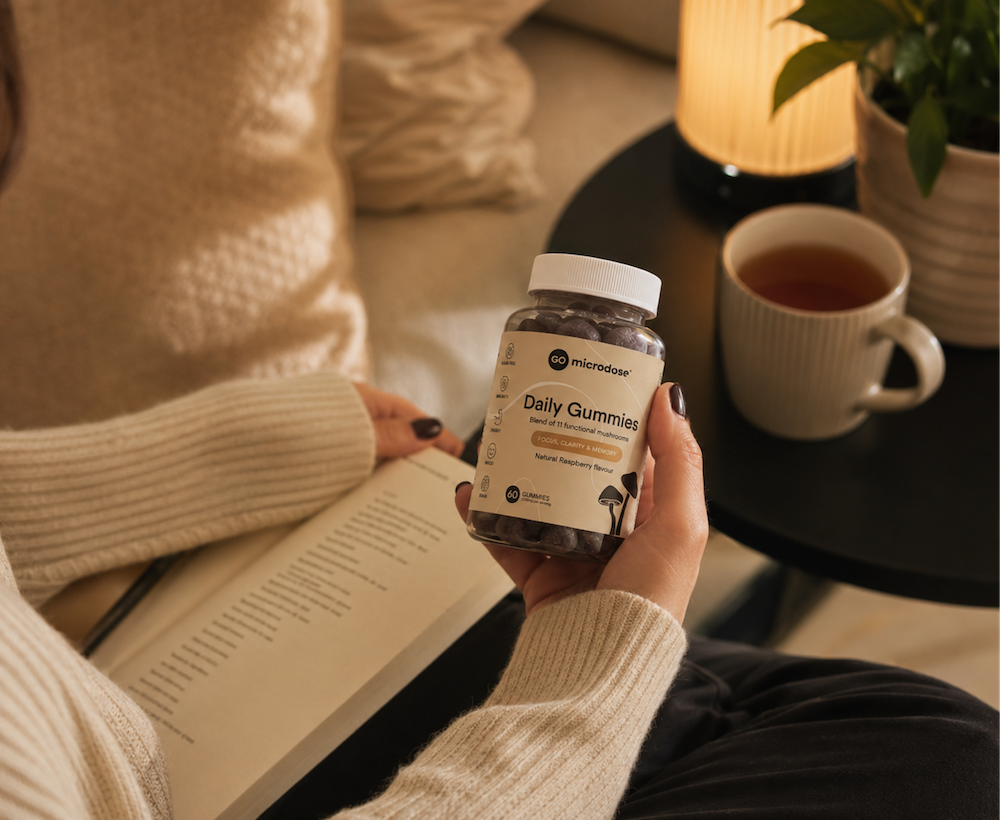
Don’t expect adaptogens to work like pharmaceuticals with immediate effects. Benefits accumulate over weeks of consistent use. The functional mushroom products we offer are designed for daily integration, not emergency interventions.
Skip the guilt about taking a true recovery day. Chronic under-recovery leads to overtraining syndrome, injuries, and burnout. Strategic rest makes you stronger, not weaker.
Frequently asked questions
How soon after an intense weekend should I start the recovery day protocol?
Start immediately upon waking the next morning. The first 24 hours are crucial for replenishing electrolyte stores and supporting your adrenal system. Waiting until you ‘feel bad enough’ delays recovery unnecessarily.
Can I use this protocol after drinking alcohol?
Yes, electrolyte replacement is particularly important after alcohol consumption, which acts as a diuretic and depletes magnesium, potassium, and sodium. Pair with reishi to support liver function and ashwagandha to calm the nervous system. Avoid cordyceps until you’re fully rehydrated.
How many recovery days do I need per week?
This depends on training intensity and life stress. Most athletes benefit from 1-2 full recovery days weekly. If you’re training for endurance events, consider implementing a lighter version of this protocol on easier training days to maintain mineral balance.
Will adaptogens interfere with my regular supplements?
Functional mushrooms and adaptogens generally complement standard supplements like zinc, magnesium, and vitamin D. However, ashwagandha can interact with thyroid medications, and reishi may amplify blood thinners. Check with your healthcare provider if you take prescription medications.
Can I train lightly on a recovery day or should I rest completely?
Light movement like walking, gentle swimming, or restorative yoga supports recovery through improved circulation and lymphatic drainage. Avoid anything that elevates heart rate significantly or requires mental intensity. Save structured workouts for when you’re genuinely recovered.
How do I know if the recovery day protocol is working?
Track morning resting heart rate, which should return to baseline within 24-48 hours. Monitor sleep quality, appetite, and motivation to train. If you’re still exhausted after 2-3 recovery days using this protocol, you may need more complete rest or should evaluate overall training volume.
Building recovery into your routine
A consistent recovery day protocol transforms how quickly you bounce back from intense weekends and hard training. By combining electrolyte gummies with adaptogenic mushrooms, you address both immediate hydration needs and deeper nervous system repair. Start with the basics, electrolytes and sleep, then layer in adaptogens as you learn what your body responds to best. Explore our full range at GO Microdose to build your personalized recovery stack.