- Written on Modified on
- 8 min. reading time

When comparing electrolyte gummies vs sports drinks, the winner depends entirely on context. Gummies offer portability, controlled dosing, and no spill risk, making them ideal for situations where carrying liquids is impractical. Sports drinks provide faster absorption and higher fluid volume, but come with sugar loads, weight, and the inconvenience of bulky bottles. For active travellers, fitness enthusiasts, and anyone navigating airport security or cramped yoga studios, knowing when to reach for gummies instead of a drink can genuinely improve your hydration strategy.
What makes electrolyte gummies different from sports drinks?
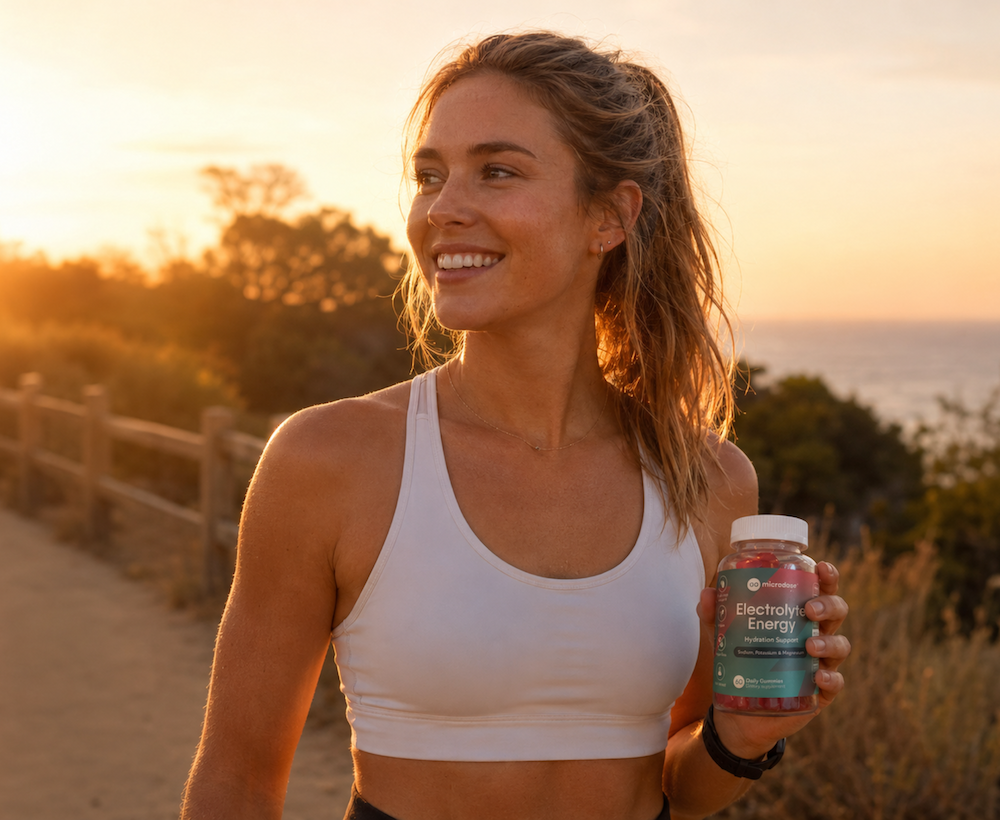
Electrolyte gummies deliver sodium, potassium, and other minerals in a chewable form, typically 2-4 gummies per serving. They’re designed to be taken with water you source yourself, separating electrolyte delivery from hydration volume. Sports drinks combine both electrolytes and fluids in one bottle, with formulations ranging from 6-8% carbohydrate solutions designed for endurance athletes to lighter ‘hydration’ versions with minimal sugar.
The key difference lies in flexibility versus convenience. Gummies let you control exactly how much water you drink alongside your electrolytes. A long-haul flight might call for sipping water gradually over hours while taking gummies at intervals, whereas chugging a sports drink mid-flight means frequent bathroom trips and limited refill options. Sports drinks shine when you need immediate rehydration and have access to cold storage, like post-workout at a gym with vending machines.
Absorption speed also differs. Liquid electrolytes enter your system faster since they’re already dissolved. Gummies require a few minutes of digestion before minerals become bioavailable. For acute dehydration scenarios like heatstroke risk, liquids have the edge. For preventive hydration throughout a busy day, gummies work perfectly well.
When electrolyte gummies win: travel and transit
Air travel makes the case for gummies obvious. Airport security restricts liquids over 100ml, but gummies pass through scanners without issue. Pack a pouch of electrolyte gummies in your carry-on and you’ve got hydration support for an entire long-haul journey without surrendering bottles at security or paying £4 for airport water.
Cabin air humidity drops to 10-20%, well below the Sahara desert’s average. Your body loses water through respiration without the thirst signals you’d feel on the ground. Taking 2-3 gummies every few hours, paired with the water bottles flight attendants provide, helps maintain electrolyte balance without the logistical nightmare of carrying multiple sports drink bottles through three airports.
The same logic applies to train travel, road trips, and festival camping. Gummies don’t leak in backpacks, don’t need refrigeration, and weigh a fraction of bottled drinks. A 30-day supply of gummies fits in a coat pocket. The equivalent in sports drinks would require a separate suitcase.
Hangover recovery: why gummies often work better
Alcohol suppresses vasopressin, the hormone that tells kidneys to retain water. You lose more fluid and electrolytes than drinking alone would cause. By morning, you’re sodium-depleted, potassium-low, and potentially nauseous. This is where the debate of electrolyte gummies vs sports drinks gets interesting.
If you can stomach liquids immediately, a sports drink delivers fast relief. But many people wake with queasiness that makes chugging 500ml of sugary liquid unappealing. Gummies let you start small: chew 2-3, sip water gently, and add more as your stomach settles. The slower pace often suits hangover digestion better than forcing down a full bottle.
Sugar content matters too. Many sports drinks contain 20-30g of sugar per bottle, which can worsen blood glucose swings when your liver is busy processing ethanol metabolites. Quality electrolyte gummies use moderate sweeteners and deliver minerals without the glycemic spike. Check labels regardless: some gummy brands load up on corn syrup just like cheap sports drinks do.
Hot yoga and high-intensity classes
Hot yoga studios ban bottles larger than 750ml to save space. You’ll sweat 1-2 litres in a 90-minute class, losing significant sodium through skin. Drinking your entire bottle mid-session leaves you empty for the final third when heat peaks.
The smart approach: take 2-3 electrolyte gummies 30 minutes before class with 250ml water. This pre-loads your system with minerals before sweat loss begins. Sip plain water during class to manage thirst without stomach sloshing. Take another 2-3 gummies immediately after, then drink normally. You’ve matched electrolyte timing to actual depletion rather than trying to rehydrate and re-mineralise simultaneously while bent into awkward poses.
Sports drinks work fine for post-class recovery when you’re back in the changing room, but the pre-loading strategy gummies enable can improve performance during the session itself. Studios with strict no-food policies typically allow gummies since they’re marketed as supplements rather than snacks.
Long flights: the dehydration nobody talks about
Flights over four hours put your body in a uniquely dehydrating environment. Pressurised cabins, recycled air, restricted movement, and alcohol service create a perfect storm for fluid imbalance. Yet bringing adequate sports drinks means carrying 2-3 heavy bottles that take up precious bag allowance.
Experienced travellers pack gummies and request water regularly from crew. A single small pouch provides electrolyte support for a 12-hour journey. Take gummies every 2-3 hours, drink whenever crew offer water, and you’ll arrive far less jet-lagged than passengers who relied on occasional tomato juice or paid €5 for a single sports drink mid-flight.
The cognitive benefit matters too. Even mild dehydration impairs focus and mood, both already challenged by time zone shifts and cramped seating. Maintaining electrolyte levels helps your brain function normally despite the altitude and air quality. Pair your gummies with GO Microdose’s functional mushroom supplements for additional cognitive support during long travel days.
When sports drinks still make sense
Gummies aren’t always the answer. Intense endurance exercise beyond 90 minutes benefits from the combined hydration and fuel sports drinks provide. Marathons, long cycling sessions, and multi-hour hikes need carbohydrate replenishment alongside electrolytes. Gummies deliver minerals but not the 30-60g of carbs per hour endurance performance requires.
Acute dehydration from illness like gastroenteritis calls for rapid fluid replacement. Oral rehydration solutions (a specific type of electrolyte drink) with precise sodium-to-glucose ratios promote faster intestinal absorption than gummies can match. If you’re severely dehydrated, liquid matters more than portability.
Budget sometimes favours drinks too. A supermarket own-brand sports drink might cost £1 for 500ml, while quality electrolyte gummies run £10-15 per 30-serving pouch. For regular gym sessions where you’re exercising at home with tap water access, bulk-buying sports drinks or making your own electrolyte solution from salt, sugar, and squash can be more economical. Gummies justify their cost through convenience in travel and storage scenarios.
What to look for in quality electrolyte gummies
Not all electrolyte gummies deliver meaningful mineral doses. Check for:
- Sodium content: At least 100-200mg per serving. Some gummies contain barely 50mg, which won’t touch sweat losses that can reach 1000mg sodium per litre.
- Potassium presence: Should appear on the label. Many cheap gummies skip it entirely despite potassium being crucial for muscle and nerve function.
- Magnesium inclusion: Supports hydration at the cellular level and muscle relaxation. Bonus if it’s chelated forms like magnesium glycinate rather than oxide.
- Minimal junk: Avoid artificial colours, high-fructose corn syrup, and excessive additives. Quality brands use natural flavours and modest natural sweeteners.
GO Microdose’s electrolyte gummies meet these standards with balanced mineral profiles designed for real-world hydration needs, not just marketing claims. Compare labels before buying, particularly for imported brands that sometimes prioritise taste over electrolyte effectiveness.
Frequently asked questions
Can you take electrolyte gummies every day?
Yes, daily electrolyte gummies are safe for most people, particularly if you exercise regularly, live in hot climates, or follow low-carb diets that increase mineral loss. Stick to recommended serving sizes and ensure you’re drinking adequate water alongside them. Excessive sodium intake can raise blood pressure in sensitive individuals, so monitor your total daily sodium from all sources.
Do electrolyte gummies work as well as drinks for hydration?
Electrolyte gummies vs sports drinks deliver similar mineral quantities when taken with appropriate water. The main difference is absorption speed: liquids work faster since electrolytes are pre-dissolved. For prevention and maintenance hydration, gummies perform equivalently. For emergency rehydration or during intense endurance exercise, liquids have a slight advantage due to immediate availability and combined fluid delivery.
How many electrolyte gummies should you take for a flight?
For flights under 4 hours, take 2-3 gummies before boarding and drink water normally. For long-haul flights over 8 hours, take 2-3 gummies every 2-3 hours throughout the journey. Pair each dose with at least 250ml of water. Adjust based on whether you’re drinking alcohol, which increases dehydration, or sleeping for extended periods.
Are electrolyte gummies better than sports drinks for hangovers?
Electrolyte gummies often work better for hangover recovery because they allow gradual rehydration without forcing large liquid volumes on a queasy stomach. Take 2-3 gummies immediately upon waking with small sips of water, then continue hydrating slowly throughout the morning. Sports drinks work well if you can tolerate drinking 500ml quickly, but many people find gummies more manageable initially.
Can you take electrolyte gummies without drinking extra water?
No, electrolyte gummies require adequate water intake to be effective. They provide minerals but not the fluid your body needs for hydration. Always drink at least 250-500ml of water with each gummy serving. Taking gummies without water can actually worsen dehydration by increasing the mineral concentration in your system without corresponding fluid to transport those minerals properly.
Do electrolyte gummies help with muscle cramps during exercise?
Electrolyte gummies can help prevent exercise-induced muscle cramps by maintaining sodium, potassium, and magnesium levels. Take them 30-60 minutes before intense workouts or long training sessions. Cramps have multiple causes including dehydration, overexertion, and poor conditioning, so gummies address only the electrolyte-depletion component. Consistent hydration throughout your workout remains essential.
Conclusion: choose based on context, not trends
The electrolyte gummies vs sports drinks debate resolves itself once you match the format to your actual needs. Gummies excel in travel, storage-limited situations, and gradual hydration throughout busy days. Sports drinks win for immediate post-exercise recovery and endurance fuelling. Keep both in your hydration toolkit and deploy whichever makes practical sense for the situation at hand. Browse our full range of electrolyte gummies and functional supplements to find what works for your lifestyle.