- Written on
- 7 min. reading time
The most persistent microdosing myths can make newcomers either overly cautious or dangerously reckless. From wildly inaccurate dosing advice to misunderstandings about tolerance and legality, misinformation spreads faster than science can keep up. This rapid-fire myth-busting piece tackles ten of the most common misconceptions about safety, effects, and what microdosing can actually do for you. Whether you are researching for the first time or clearing up confusion from social media, here is what people still get wrong.
Myth 1: Microdosing is just a placebo

One of the most enduring microdosing myths is that the effects are purely placebo. While some research shows placebo effects play a role, the picture is more nuanced. Psilocybin has measurable neurological effects even at sub-perceptual doses, including increased neuroplasticity and altered serotonin receptor activity.
Placebo effects are real and powerful, yes. But dismissing microdosing as only placebo ignores the pharmacological mechanisms at work. Many experienced microdosers report benefits that persist even when they forget they have taken a dose, which is hard to explain through expectation alone.
Myth 2: You can microdose every single day without breaks
Microdosing daily sounds appealing, but psilocybin tolerance builds rapidly. Taking the same dose every day quickly reduces its effectiveness within three to five days. This is why structured protocols like the Fadiman method (one day on, two days off) or the Stamets stack (four days on, three days off) include regular breaks.
Rest days are not just about tolerance. They also give you space to integrate insights and notice baseline changes. If you find doses stop working, you may need a tolerance reset of two to four weeks.
Myth 3: Microdoses are the same as dried mushroom doses
This myth causes real dosing problems. GO Microdose sells fresh psilocybin truffles, not dried. A standard fresh truffle microdose is around 0.5 grams (ranging from 0.3 to 0.7 grams depending on the person). Dried mushrooms or truffles, on the other hand, typically range from 0.1 to 0.3 grams for a microdose.
The conversion is roughly 1 gram dried equals 3 grams fresh. If you follow dried mushroom advice while using fresh truffles, you will underdose significantly. Always clarify whether a source is discussing fresh or dried material. Our dosage calculator helps you find the right range for fresh truffles.
Myth 4: Microdosing will make you hallucinate or feel high
By definition, a microdose is sub-perceptual. You should not see visuals, experience euphoria, or feel intoxicated. If you do, you have taken a mini-dose or low recreational dose, not a microdose. The goal is subtle: a slight lift in mood, clearer thinking, or improved focus, not a trip.
Some people do report mild body sensations or heightened colour perception on their first few doses, which usually fades as they adjust. If effects are consistently noticeable or distracting, reduce your dose by 0.1 to 0.2 grams of fresh truffle until you hit the sweet spot.
Myth 5: Microdosing is legal everywhere
Psilocybin truffles occupy a legal grey area that varies widely by country. In the Netherlands, fresh truffles are legal to sell and possess. In the UK and most of Europe, psilocybin-containing products are controlled substances, though enforcement and penalties differ. Some countries tolerate personal use, others do not.
Always research your local laws before ordering. GO Microdose ships internationally, but it is your responsibility to understand the legal status in your jurisdiction. We do not provide legal advice, and laws are changing rapidly as research progresses.
Myth 6: Microdosing cures mental health conditions
Microdosing shows promise for mood, focus, and emotional resilience, but it is not a cure for clinical depression, anxiety disorders, or trauma. Some people report significant relief, while others notice little or even worsening symptoms. Psilocybin can amplify underlying emotional states, which is not always helpful without support.
If you are managing a diagnosed mental health condition, microdosing should be considered a complementary tool, not a replacement for therapy or medication. Dr Gabor Maté’s insights emphasize the importance of integration and therapeutic context, especially for trauma work.
Myth 7: Fresh truffles only last a few days
Unopened fresh psilocybin truffles stored in the refrigerator last two to three months, far longer than most people think. Once opened, use them within three to five days for best results, or dry them for long-term storage. Drying should never exceed 40°C to preserve potency.
If you want to extend shelf life further, drying your truffles properly can keep them viable for months or even years. Just remember to adjust your dosing, as dried truffles are roughly three times more potent by weight than fresh.
Myth 8: Microdosing works the same for everyone
Individual responses to psilocybin vary dramatically. Factors like body weight, metabolism, neurochemistry, diet, and even gut microbiome composition influence how you experience a dose. What feels perfect for one person might be too strong or too weak for another.
This is why starting low and adjusting gradually is essential. Keep a journal to track dose, timing, mood, and effects. If you feel nothing on 0.5 grams of fresh truffle, try 0.6 or 0.7 grams. If you feel too much, drop to 0.3 or 0.4 grams. Personalization is key.
Myth 9: You can combine microdosing with anything
While microdosing pairs well with some activities and supplements, combining it carelessly with other substances can be risky. Mixing psilocybin with SSRIs or other serotonergic medications can dull effects or, in rare cases, trigger serotonin syndrome. Alcohol and microdosing do not mix well either, as alcohol can blunt benefits and increase nausea.
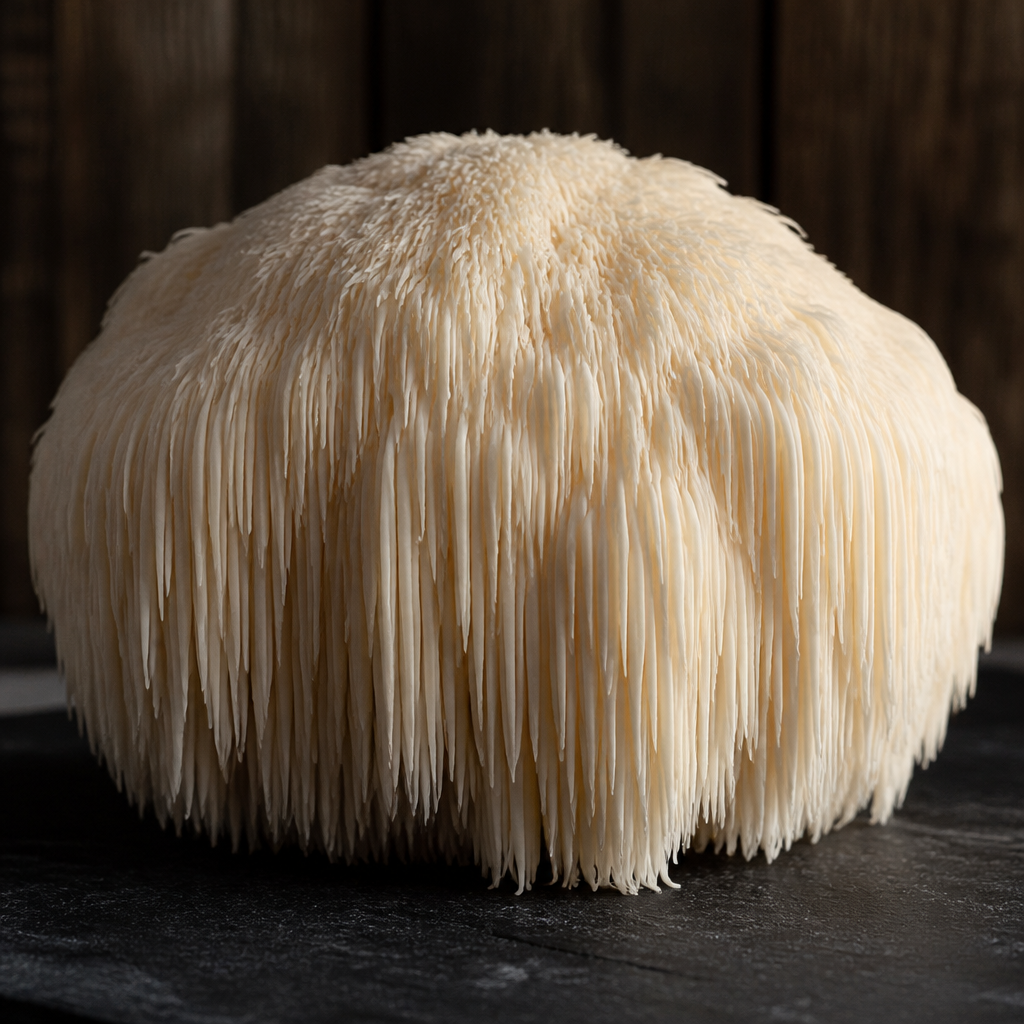
Some stacks are safe and synergistic, like the Paul Stamets stack combining psilocybin, lion’s mane, and niacin. But always research interactions and consult a healthcare professional if you are on prescription medication.
Myth 10: Microdosing is just a wellness trend
Dismissing microdosing as a passing fad ignores decades of indigenous use and a growing body of clinical research. While the recent surge in popularity is partly driven by Silicon Valley productivity culture, the practice has roots in traditional medicine and is now being studied in university labs worldwide.
Yes, some wellness influencers oversell it. But serious researchers and therapists are exploring microdosing for PTSD, depression, ADHD, and neuroplasticity. It is not a magic bullet, but it is also not just hype. The truth lies somewhere in between: a tool with real potential that requires responsibility and honest self-assessment.
Frequently asked questions
What is the correct fresh truffle microdose?
A typical microdose of fresh psilocybin truffles is around 0.5 grams, though it can range from 0.3 to 0.7 grams depending on individual sensitivity. This is different from dried mushrooms or truffles, which are dosed much lower at 0.1 to 0.3 grams. Always start low and adjust based on your response.
Can I microdose every day without taking breaks?
No. Psilocybin tolerance builds quickly, making daily dosing ineffective within a few days. Structured protocols like the Fadiman method (one day on, two days off) or Stamets stack (four days on, three days off) include breaks to preserve effectiveness and allow integration.
Is microdosing legal in the UK and Europe?
In most of the UK and Europe, psilocybin-containing products are controlled substances. The Netherlands is an exception, where fresh truffles are legal. Laws vary widely by country, and enforcement differs. Always research your local regulations before purchasing or possessing psilocybin products.
Will I feel high or see visuals from a microdose?
No. A proper microdose is sub-perceptual, meaning you should not experience hallucinations, euphoria, or intoxication. If you do, you have taken too much and should reduce your dose. The goal is subtle improvements in mood, focus, or creativity, not a psychedelic experience.
Can microdosing cure my anxiety or depression?
Microdosing is not a cure for mental health conditions. Some people report symptom relief, but results vary widely and can sometimes worsen symptoms. If you have a diagnosed condition, treat microdosing as a complementary tool alongside therapy or medication, not a replacement. Always consult a healthcare professional.
How long do fresh truffles last in the fridge?
Unopened fresh psilocybin truffles last two to three months when refrigerated. Once opened, use them within three to five days for best results, or dry them at temperatures not exceeding 40°C for long-term storage. Proper storage preserves potency and safety.
Clearing up microdosing myths for safer practice
Understanding the real facts behind common microdosing myths helps you approach the practice with realistic expectations and better safety. Whether you are just beginning or refining your protocol, separating hype from evidence makes all the difference. If you are ready to start, our starter pack includes everything you need to begin responsibly.