- Written on
- 8 min. reading time

The German wellness scene has become the unexpected powerhouse behind Europe’s growing adaptogen market. German consumers’ rigorous approach to evidence-based supplementation, combined with the country’s established naturopathic tradition and regulatory framework, is setting the standard for how ashwagandha, reishi, and shilajit are marketed, formulated, and consumed across the continent. What happens in Berlin’s apothecaries and Munich’s wellness clinics today often shapes product ranges in London, Amsterdam, and beyond within months.
Why Germany leads Europe's adaptogen conversation
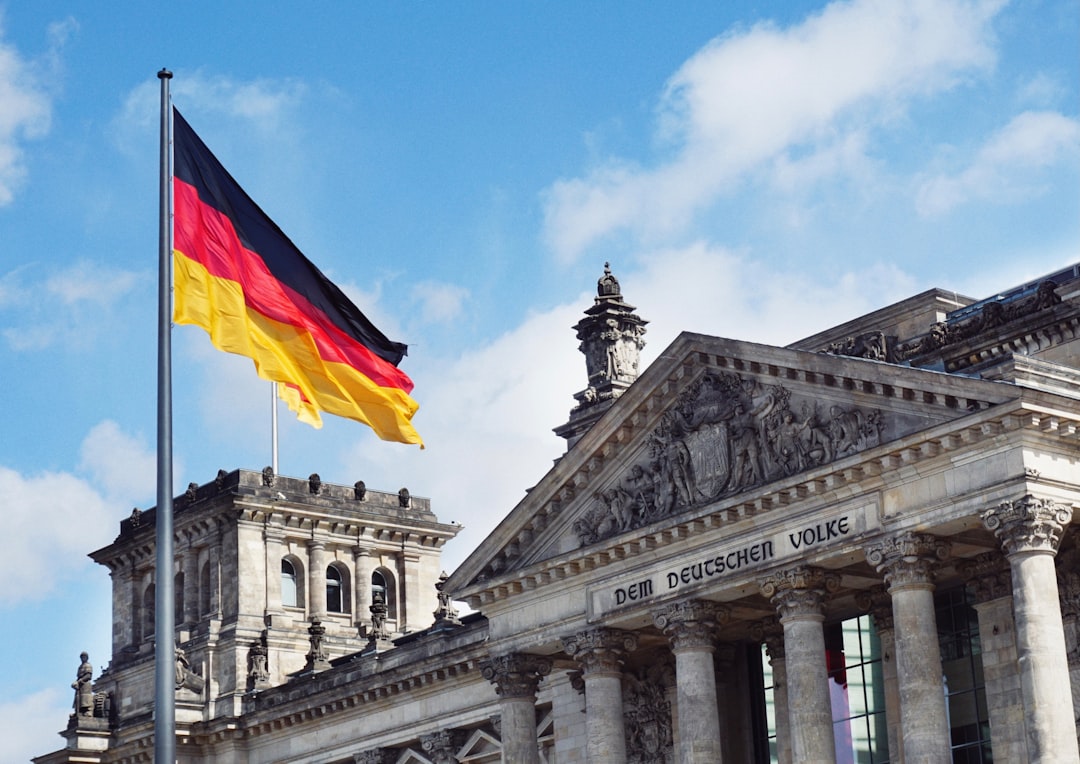
Germany’s wellness culture occupies a unique middle ground between Anglo-American biohacking trends and Mediterranean traditional remedies. The country has maintained a robust ‘Heilpraktiker’ (naturopathic practitioner) system since the 1930s, creating an infrastructure where plant-based therapeutics are neither fringe nor purely alternative, but integrated into mainstream health discourse.
This institutional foundation translates into consumer behaviour that other European markets watch closely. German shoppers consistently demand:
- Standardised extracts with declared active compound percentages
- Third-party testing certificates, particularly for heavy metals
- Clear sourcing information and sustainability credentials
- Clinical study references on product pages, not just marketing copy
When German retailers adopt a new adaptogen format or extraction method, suppliers across Europe take note. The country’s market acts as a quality filter: products that succeed in Germany tend to have formulations rigorous enough to scale continent-wide.
How ashwagandha became Germany's stress-response staple
Ashwagandha’s rise in Germany followed a distinctly German path. Rather than entering through yoga studios or wellness influencers, as happened in the UK and US, it gained traction through pharmacies and Heilpraktiker recommendations for cortisol modulation and sleep quality.
The turning point came when German supplement manufacturers began importing KSM-66 ashwagandha, a full-spectrum root extract with published clinical trials. This matched German consumers’ preference for patented, researched ingredients over generic powders. By 2019, KSM-66 had become the de facto standard in German wellness shops, and that preference rippled outward.
Today, if you browse adaptogen shelves in Copenhagen, Brussels, or Vienna, you’ll find the same emphasis on KSM-66 standardisation and dosing (typically 600mg daily) that originated in German market demands. The German wellness scene essentially set the European baseline for what ‘quality ashwagandha’ means.
One practical outcome: European brands learned to prominently display extract ratios and withanolide percentages, a level of transparency that German consumers had normalised but was previously uncommon in other markets. For those interested in cycling protocols, understanding ashwagandha cycling breaks remains important regardless of extract quality.
Reishi's journey from traditional medicine to German sleep clinics
Reishi mushroom followed a different trajectory. While it had long held a place in traditional Chinese medicine, its European adoption was initially slow and fragmented. Germany changed that through its established sleep medicine infrastructure.
German sleep clinics and naturopaths began recommending reishi extracts around 2016-2017, particularly for patients seeking non-pharmaceutical sleep support or immune system modulation during stress periods. The recommendation came with characteristically German specificity: dual-extract formulations (both water and alcohol extraction to capture polysaccharides and triterpenes), taken 60-90 minutes before bed, often combined with magnesium.
This clinical framing gave reishi credibility in markets that might otherwise have dismissed it as exotic or unproven. When German practitioners spoke about reishi’s GABAergic effects and immune-modulating beta-glucans in patient consultations, it created a template for how the mushroom would be discussed across Europe. Our reishi capsules reflect this dual-extract standard that German demand established.
The influence extends to product formats. Germany’s preference for capsules over powders (citing dosing consistency and convenience) has shaped how functional mushroom supplements are offered throughout the EU. Even brands based in other countries often develop their German product line first, then roll it out elsewhere.
What makes shilajit Germany's mineral adaptogen of choice
Shilajit represents perhaps the clearest example of German quality standards reshaping a traditional substance for European markets. This mineral-rich resin from high-altitude rocks had almost no European presence before 2018, when German supplement companies began importing purified extracts from the Himalayas and Altai mountains.
German consumers approached shilajit with their typical scepticism: they wanted heavy metal testing (critical for a mineral substance), fulvic acid standardisation, and clear sourcing chains. This forced suppliers to implement quality controls that hadn’t existed in traditional shilajit markets. The result was a cleaner, more consistent product that other European countries could trust.
German marketing also reframed shilajit’s positioning. Rather than emphasising traditional vitality claims, German brands focused on mitochondrial function, trace mineral supplementation, and its role in energy metabolism. This evidence-oriented angle made shilajit accessible to European consumers who might otherwise have been put off by unfamiliar Ayurvedic terminology.
The German preference for resin or extract forms over raw powder has now become standard across premium European shilajit products. Dosing recommendations (200-500mg of purified extract daily) that originated in German product formulations are now echoed from Ireland to Italy.
How regulation shapes innovation in the German wellness scene
Germany’s regulatory environment, while sometimes bureaucratic, has inadvertently accelerated adaptogen quality improvements across Europe. The country’s strict interpretation of EU health claim regulations means that supplement brands can’t make the sweeping promises common in less-regulated markets.
This constraint has pushed German companies toward better formulations rather than better marketing. If you can’t claim that ashwagandha ‘eliminates stress’ or that cordyceps ‘boosts energy’, you compete on extraction quality, bioavailability, and transparent third-party testing instead.
For European consumers, this means German-market adaptogens often represent a safe bet. Products that have succeeded in Germany have typically done so through formulation quality, not through exaggerated claims or influencer hype. When a new adaptogen stack appears in Berlin wellness shops, it’s likely been vetted more rigorously than equivalents launched elsewhere.
The regulatory influence extends to combination products. Germany’s cautious approach to novel food applications means that adaptogen blends sold there have usually undergone more safety evaluation than products in markets with lighter touch regulation. This creates a quality floor that benefits all of Europe.
Where German adaptogen trends are heading next
Current signals from the German wellness scene suggest several emerging directions for European adaptogen markets. Combination formulations pairing adaptogens with complementary compounds are gaining traction, such as ashwagandha with L-theanine for anxiety support, or cordyceps with B-vitamins for sustained energy.
There’s also growing German interest in adaptogen cycling protocols rather than continuous daily use. Practitioners are recommending 5-days-on, 2-days-off patterns, or monthly breaks, to prevent tolerance and maintain efficacy. This approach may reshape how European brands position their products, moving away from ‘take daily forever’ messaging toward more nuanced guidance.
Liposomal and enhanced-absorption formats are appearing in German premium segments, responding to consumer demands for better bioavailability. If these formats prove popular in Germany, expect them to spread to neighbouring markets within 12-18 months, just as standardised extracts did previously.
Finally, there’s increasing German attention to adaptogen sourcing ethics and ecological impact. Consumers are asking whether ashwagandha farming depletes Indian water tables, whether reishi cultivation displaces food crops, and whether shilajit collection damages mountain ecosystems. Brands that answer these questions transparently in Germany will likely set sustainability standards for Europe’s entire adaptogen sector.
Frequently asked questions
Why does the German wellness scene have such influence over European adaptogen trends?
Germany combines high consumer spending power with established naturopathic infrastructure and strict quality expectations. German consumers demand third-party testing, standardised extracts, and clinical evidence, which forces suppliers to meet higher standards. Products that succeed in this rigorous market are well-positioned to scale across Europe, making Germany an effective quality gatekeeper for the continent.
What makes KSM-66 ashwagandha different from generic ashwagandha powder?
KSM-66 is a full-spectrum root extract standardised to at least 5% withanolides, produced through a proprietary extraction process that preserves the herb’s natural constituent ratios. It has multiple published clinical trials supporting its efficacy for stress reduction and cortisol modulation. Generic powders vary widely in active compound content and often include leaf material, which traditional Ayurveda avoided. German consumers’ preference for KSM-66 reflects their emphasis on researched, consistent ingredients.
Should I combine multiple adaptogens like ashwagandha, reishi, and shilajit?
Combining adaptogens is common and generally safe, but German practitioners recommend starting with one at a time to assess individual response. A typical approach might be ashwagandha in the morning for stress resilience, reishi in the evening for sleep support, and shilajit with breakfast for mineral and energy support. However, individual responses vary, and some people find single adaptogens more effective than stacks. Monitor your response over 2-4 weeks before adding another.
How long does it take to notice effects from adaptogens like those popular in Germany?
Timelines vary by adaptogen and individual. Ashwagandha typically shows stress-reduction effects within 1-2 weeks, with optimal benefits at 6-8 weeks of consistent use. Reishi’s sleep and immune effects often appear within 3-7 days. Shilajit’s energy and cognitive effects may be noticed within days, though mitochondrial benefits build over weeks. German practitioners emphasise that adaptogens work subtly; you’re more likely to notice you’re handling stress better than to feel an acute effect.
Are the quality standards from German wellness products actually better than other European countries?
Not automatically, but German consumer expectations tend to drive suppliers toward more rigorous quality control. The country’s established naturopathic system, combined with health-conscious consumers willing to pay premium prices, creates market conditions that reward transparency and testing. Products formulated for the German market often undergo third-party heavy metal testing, maintain stricter extract standardisation, and provide more detailed sourcing information than equivalents aimed at less demanding markets.
What’s the best way to store adaptogens like ashwagandha and reishi to maintain potency?
Store capsules and powders in a cool, dark, dry place, ideally below 25°C. Avoid bathroom storage due to humidity fluctuation. Keep containers tightly sealed between uses. Exposure to light, heat, and moisture degrades active compounds over time. German brands often use amber glass or opaque containers specifically to protect contents from light degradation. Most quality adaptogens maintain potency for 18-24 months when stored properly, though potency gradually decreases after opening.
The German wellness standard goes Europe-wide
The German wellness scene’s influence on European adaptogen trends reflects a broader shift toward evidence-based, quality-focused supplementation across the continent. As German consumer expectations continue shaping product formulations, extraction methods, and transparency standards, the entire European market benefits from higher baselines. Whether you’re in Manchester or Milan, the adaptogens on your shelf have likely been refined by demands that originated in Hamburg and Berlin. Explore our full range of evidence-backed supplements that meet these rigorous European standards.