- Written on Modified on
- 6 min. reading time

Taking cordyceps before the gym has become a popular alternative to caffeine-heavy pre-workouts among runners and recreational gym-goers. Unlike traditional stimulants, cordyceps is a functional mushroom that supports oxygen utilization and energy production at the cellular level without causing jitters, crashes, or disrupted sleep. Instead of masking fatigue with a caffeine spike, cordyceps works by enhancing how efficiently your body uses oxygen during exercise, potentially improving endurance and recovery over time.
What is cordyceps?
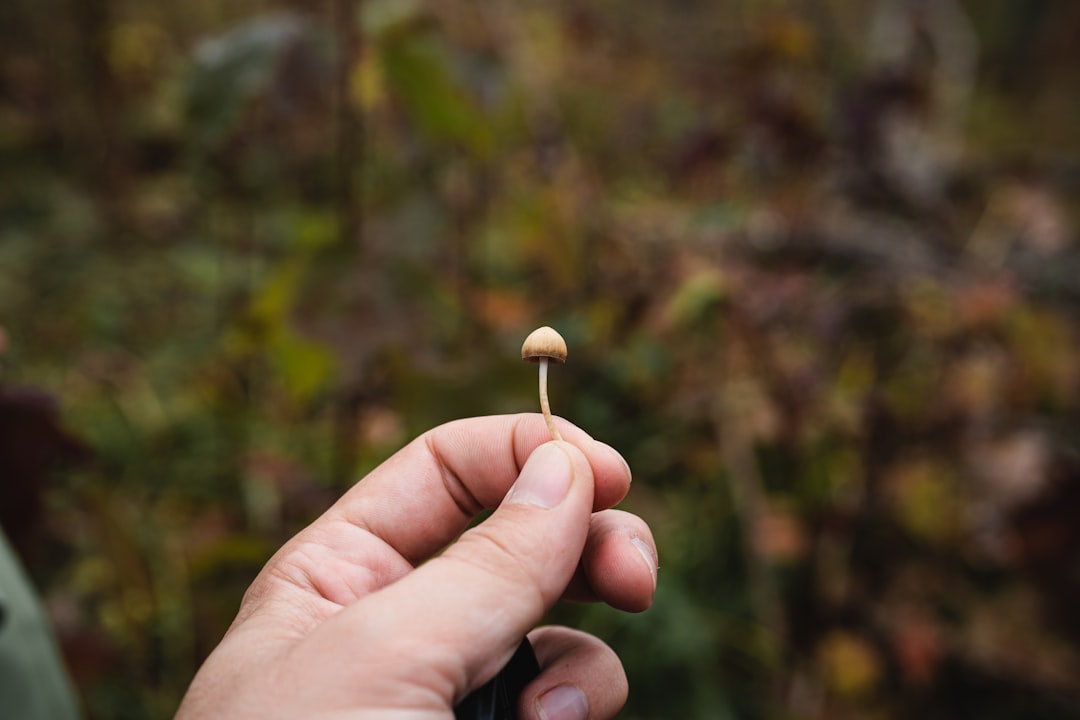
Cordyceps is a genus of parasitic fungi that grows naturally on insect larvae in high-altitude regions of Tibet and Nepal. The species most commonly used in supplements is Cordyceps militaris, which is cultivated on grain substrates rather than insects, making it both ethical and consistent in quality.
Traditionally used in Chinese and Tibetan medicine for centuries, cordyceps gained attention in the West after Chinese runners credited it for breaking world records in the 1990s. While those claims were never scientifically verified, the interest sparked decades of research into how cordyceps affects athletic performance, oxygen uptake, and energy metabolism.
How does cordyceps work during exercise?
Cordyceps contains bioactive compounds, primarily cordycepin and polysaccharides, that influence energy production and oxygen delivery. Here’s what happens when you take cordyceps before the gym:
- Improved oxygen utilization: Cordyceps appears to increase the body’s production of adenosine triphosphate (ATP), the molecule that fuels muscle contractions. Some studies suggest it also improves how efficiently cells use oxygen, which can delay fatigue during aerobic exercise.
- Enhanced blood flow: Cordyceps may help dilate blood vessels, improving circulation and oxygen delivery to working muscles without raising heart rate the way caffeine does.
- Lactate threshold support: Preliminary research indicates cordyceps might help the body clear lactate more efficiently, potentially delaying the burn you feel during high-intensity efforts.
The key difference from caffeine is mechanism. Caffeine blocks adenosine receptors in the brain, temporarily masking fatigue signals. Cordyceps doesn’t block anything. It supports the underlying metabolic processes that produce energy, which is why the effect feels subtler and more sustainable.
Cordyceps vs caffeine pre-workouts
Traditional pre-workout supplements lean heavily on caffeine, beta-alanine, and nitric oxide boosters. They work fast and feel intense, which appeals to many people. But they come with trade-offs:
- Jitters and anxiety: High caffeine doses can overstimulate the nervous system, especially if you’re sensitive or already consume coffee throughout the day.
- Energy crashes: What goes up must come down. Caffeine crashes can leave you feeling worse than before you trained.
- Sleep disruption: Taking a caffeinated pre-workout in the afternoon or evening can interfere with sleep quality, even if you feel tired at bedtime.
- Tolerance buildup: Regular caffeine use leads to tolerance, requiring higher doses for the same effect.
Cordyceps offers a different profile. It doesn’t provide an immediate buzz. Most people report a gradual sense of sustained energy and improved stamina over weeks of consistent use. You won’t feel wired, but you might notice you can push a bit longer during cardio or recover faster between sets. For those training later in the day or sensitive to stimulants, cordyceps before the gym can be a game-changer.
What does the research say?
Several human studies have examined cordyceps and exercise performance, with mixed but promising results. A 2016 study published in the Journal of Dietary Supplements found that three weeks of supplementation with a cordyceps mushroom blend improved VO2 max (a measure of aerobic capacity) in recreationally active adults.
Another study on older adults showed improved exercise tolerance and reduced fatigue markers after 12 weeks of cordyceps supplementation. However, results in elite athletes have been less consistent, suggesting cordyceps may be most beneficial for recreational exercisers rather than those already at peak conditioning.
It’s worth noting that most studies use relatively high doses (1 to 3 grams daily) and track outcomes over weeks, not single sessions. Cordyceps is not a one-time performance hack. It’s a long-game supplement that supports metabolic efficiency with regular use.
How to use cordyceps as a pre-workout
If you want to try cordyceps before the gym, here’s a practical starting protocol:
- Dose: Start with 1 to 2 grams of cordyceps extract powder or the equivalent in capsules. Some people go up to 3 grams, but it’s best to start lower and assess tolerance.
- Timing: Take it 30 to 60 minutes before your workout. Unlike caffeine, cordyceps won’t hit immediately, but taking it pre-session helps align its metabolic effects with your training window.
- Consistency matters: For best results, use cordyceps daily for at least two to three weeks, not just on training days. The benefits accumulate with regular intake.
- Forms: Cordyceps is available as powder, capsules, or tinctures. Powder can be mixed into smoothies or water. Capsules are convenient for on-the-go dosing.
You can find high-quality cordyceps and other functional mushrooms in our shop, alongside other natural wellness products designed to support focus, energy, and recovery.
Who should try cordyceps before the gym?
Cordyceps is well-suited for people who:
- Are sensitive to caffeine or experience jitters, anxiety, or crashes from traditional pre-workouts
- Train in the afternoon or evening and want to avoid sleep disruption
- Focus on endurance activities like running, cycling, rowing, or long gym sessions
- Want a natural supplement that supports long-term metabolic health, not just a quick energy spike
- Are looking to add variety to their supplement routine without relying solely on stimulants
It’s not ideal for those seeking an immediate, intense pre-workout kick. Cordyceps is subtle and works best as part of a consistent wellness routine rather than an acute performance booster.
Can you combine cordyceps with other supplements?
Yes. Cordyceps stacks well with other functional mushrooms and adaptogens. Many people combine it with lion’s mane for focus or reishi for recovery. It also pairs safely with moderate caffeine if you want a bit of both worlds, just at lower caffeine doses than typical pre-workouts.
You can also combine cordyceps with performance supplements like creatine, beta-alanine, or electrolytes. There are no known negative interactions, but always start with one new supplement at a time to gauge individual response.
If you’re exploring other natural performance and wellness tools, check out our range of functional mushrooms, gummies, and adaptogens designed to support energy, focus, and resilience.
Frequently asked questions
How long does it take for cordyceps to work?
You may notice subtle effects within a few days, but most people report the best results after two to three weeks of daily use. Cordyceps supports gradual improvements in oxygen utilization and energy metabolism, not instant performance spikes.
Can I take cordyceps every day?
Yes. Cordyceps is safe for daily use and works best when taken consistently. Most studies showing performance benefits use daily supplementation over several weeks.
Will cordyceps keep me awake at night?
No. Unlike caffeine, cordyceps does not stimulate the central nervous system in a way that disrupts sleep. Many people take it in the evening before late workouts without issues.
What’s the best form of cordyceps for exercise?
Both powder and capsules work well. Powder offers flexibility for mixing into pre-workout drinks or smoothies, while capsules are convenient for precise dosing on the go. Look for extracts standardized for cordycepin or polysaccharides.
Can beginners use cordyceps?
Absolutely. Cordyceps is gentle and well-tolerated. It’s a good choice for anyone new to functional mushrooms or looking for a natural alternative to stimulant-heavy supplements.
Does cordyceps help with recovery?
Emerging research suggests cordyceps may support recovery by reducing oxidative stress and inflammation after exercise. While more studies are needed, many users report feeling less fatigued between sessions.
Final thoughts
Taking cordyceps before the gym offers a science-backed, jitter-free way to support endurance, oxygen use, and sustained energy without the downsides of caffeine-heavy pre-workouts. It’s not a magic bullet, but for recreational athletes and runners looking for a natural edge that aligns with long-term health, cordyceps is worth exploring. Browse our selection of functional mushrooms and wellness supplements to find what works for your routine.