- Written on
- 8 min. reading time

When comparing electrolyte gummies vs sports drinks, the difference comes down to ingredient quality, sugar content, and convenience. Electrolyte gummies typically contain essential minerals without artificial colours or excessive sugar, while most sports drinks pack 20-35 grams of sugar per bottle alongside synthetic dyes and preservatives. Both deliver sodium, potassium, and magnesium for hydration, but gummies offer portion control and cleaner formulations that active adults increasingly prefer. For gym-goers and anyone serious about what they put in their body, understanding these differences matters.
What makes electrolyte gummies different from sports drinks?
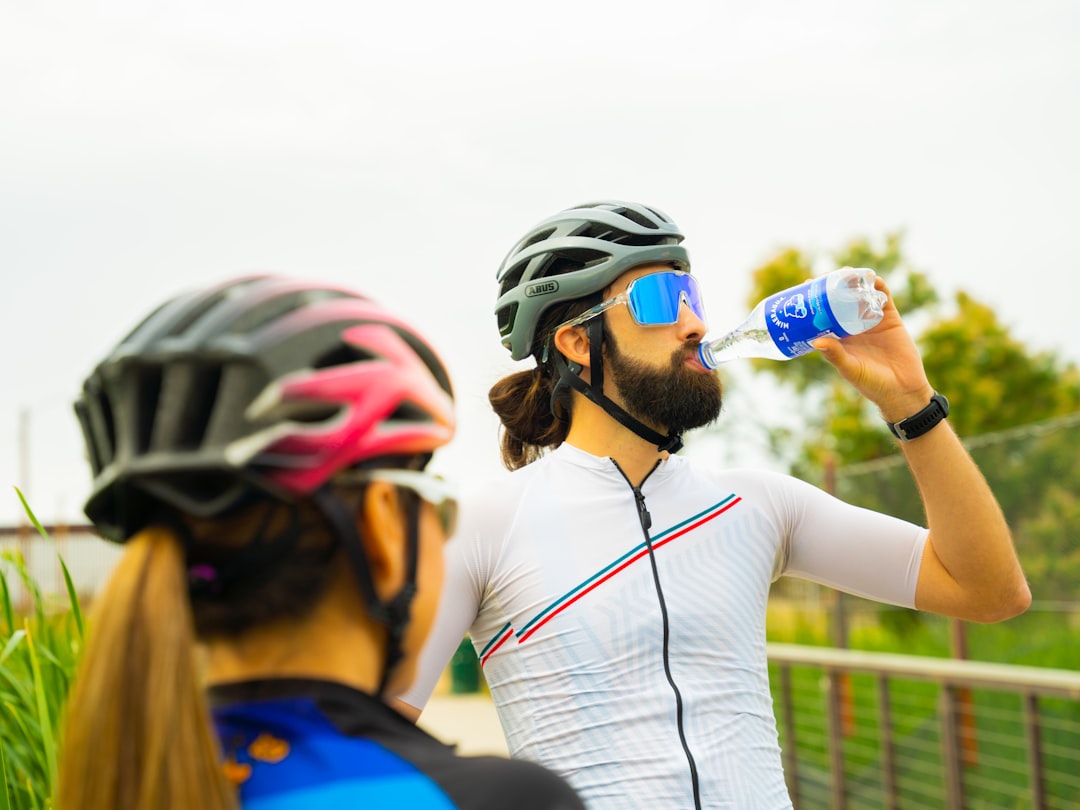
The core function is the same: both replenish minerals lost through sweat during exercise or dehydration. However, the delivery method and ingredient lists diverge significantly.
Sports drinks emerged in the 1960s with a simple formula: water, sugar for quick energy, and electrolytes to replace what athletes lose through sweat. Modern versions add artificial flavours, colours like Yellow 5 and Red 40, and preservatives to extend shelf life. A standard 500ml bottle contains roughly 140 calories, almost entirely from sugar.
Electrolyte gummies strip away the excess. Our Electrolyte Gummies use pectin (a plant-based gelling agent), natural flavours, and a targeted mineral blend without synthetic dyes or high-fructose corn syrup. Each serving delivers sodium, potassium, magnesium, and calcium in portable form. You control the dose, and there’s no sticky bottle to carry.
The ingredient transparency matters for people tracking macros or avoiding specific additives. Sports drinks rarely disclose mineral sources or use vague terms like ‘natural and artificial flavours’. Gummies designed for active consumers usually specify bisglycinate forms of magnesium and zinc, which absorb more effectively than cheaper oxide forms.
Sugar content: how the electrolyte gummies vs sports drinks comparison stacks up
Sugar is where the gap widens. A typical sports drink contains 6-8% carbohydrate solution, translating to about 30 grams of sugar in a 500ml bottle. For endurance athletes running for two hours or more, that sugar serves a purpose: it rapidly replenishes glycogen and provides quick fuel.
But most gym sessions, yoga classes, or moderate workouts don’t deplete glycogen stores enough to justify 30 grams of sugar. You end up consuming calories you didn’t burn, which works against weight management goals.
Electrolyte gummies typically contain 2-4 grams of sugar per serving, using just enough to make them palatable. Some brands use alternatives like tapioca syrup or a touch of cane sugar. The calorie count sits around 10-20 per gummy versus 140 for a bottle of sports drink. For a 45-minute strength session or recovery from a night out, gummies deliver the minerals without the sugar crash.
That said, sugar isn’t always the enemy. During a marathon, triathlon, or intense two-hour football match, rapid carbohydrate absorption helps maintain performance. The key is matching the product to the activity intensity and duration.
When should you choose gummies over liquid sports drinks?
Context determines the winner in the electrolyte gummies vs sports drinks debate. Here’s where gummies excel:
Moderate training sessions: Strength training, yoga, or cardio under 90 minutes doesn’t require heavy carbohydrate replacement. A couple of gummies before or during your workout tops up minerals without excess calories.
Hangover recovery: Alcohol suppresses antidiuretic hormone, leading to dehydration and mineral loss. Sports drinks work, but the high sugar content can unsettle a sensitive stomach. Gummies offer gentler mineral replacement you can dose gradually throughout the morning.
Daily hydration support: If you struggle to drink enough water or sweat heavily in hot climates, one or two gummies daily helps maintain electrolyte balance without turning every glass of water into a sugary drink.
Portability: Gummies fit in a gym bag pocket, don’t leak, and won’t explode on a flight. No refrigeration needed, and you can take exactly the amount you need without carrying a half-finished bottle.
When do sports drinks still make sense?
Liquid sports drinks have legitimate use cases that gummies can’t fully replace. Endurance events longer than 90 minutes benefit from the combined fluid, electrolyte, and carbohydrate delivery. Runners, cyclists, and team sport athletes performing at high intensity need that glucose hit to maintain performance.
Absorption speed also favours liquids during active exercise. Your body processes liquid faster than solids, which matters when you’re mid-workout and need quick mineral replacement. If you’re sweating heavily and drinking water anyway, a sports drink combines hydration and electrolytes in one step.
Some people simply prefer drinking to chewing during exercise. Gummies require a moment to chew and swallow, which feels awkward mid-sprint. Personal preference plays a role.
The key distinction: if you’re an endurance athlete or training at very high intensity for extended periods, sports drinks offer functional benefits. For most recreational gym-goers, weekend runners, or anyone managing general hydration, gummies provide cleaner mineral support without the baggage.
What to look for in quality electrolyte gummies
Not all gummies deliver equal value. Check the mineral content first: effective formulas include at least 100-200mg sodium (the primary electrolyte lost in sweat), 50-100mg potassium, and 20-50mg magnesium. Calcium is a bonus but less critical for acute hydration.
Examine the ingredient list for artificial colours (often listed as numbers like E110 or colour names followed by a number) and high-fructose corn syrup. Quality products use pectin or agar as gelling agents instead of gelatin, making them suitable for plant-based diets.
Mineral forms matter for absorption. Magnesium bisglycinate absorbs better than magnesium oxide. Potassium citrate is preferable to potassium chloride, which can taste bitter. Reputable brands specify these details on the label.
Sugar content should stay under 5 grams per serving unless you specifically need the carbohydrate boost. Serving size matters too: some brands pack all minerals into one gummy, others require 2-4 per dose. Check the total you’ll actually consume.
Our gummies range includes options for different needs, from daily wellness support to targeted hydration and sleep formulas, all designed with ingredient transparency in mind.
Combining electrolyte support with other supplements
Electrolyte gummies pair well with other performance and recovery supplements. Magnesium works synergistically with vitamin D for muscle function and bone health. If you take a magnesium supplement separately, account for the amount in your gummies to avoid exceeding 400mg daily (the upper recommended limit for most adults).
For endurance and energy support, cordyceps mushroom has traditional use in athletic performance. It may support oxygen utilization and reduce fatigue during prolonged exercise. Combining electrolyte replacement with adaptogenic support creates a comprehensive approach to training recovery.
After intense training, some people find ashwagandha helps manage cortisol levels and supports recovery. The timing matters: take electrolytes during or immediately after exercise when mineral replacement is most needed, and save adaptogens for later in the day or before bed depending on the specific herb.
Always space supplements that compete for absorption. Calcium can interfere with iron uptake, and high-dose zinc impacts copper absorption. If you’re taking multiple supplements, stagger them by a few hours or consult with a healthcare provider about optimal timing.
Frequently asked questions
Can electrolyte gummies replace sports drinks entirely?
For moderate exercise under 90 minutes, yes. Gummies provide the mineral replacement without excess sugar or artificial ingredients. However, endurance athletes training for over two hours may still benefit from the combined fluid, electrolyte, and carbohydrate delivery that liquid sports drinks offer. Match the product to your activity intensity and duration.
How many electrolyte gummies should I take after a workout?
Most products recommend 2-4 gummies per serving, delivering 100-200mg sodium and proportional amounts of other minerals. Check your specific product label for serving size. If you’ve had a particularly sweaty session or it’s very hot, you might take a serving during exercise and another after. Don’t exceed the recommended daily amount listed on the package.
Are electrolyte gummies effective for hangover recovery?
Yes, they help address the dehydration and mineral depletion that contribute to hangover symptoms. Alcohol suppresses antidiuretic hormone, causing increased urination and electrolyte loss. Taking 2-4 gummies with water when you wake up supports rehydration without the high sugar content that might upset a sensitive stomach. Pair with plenty of water throughout the morning.
Do electrolyte gummies work as fast as liquid sports drinks?
Liquids absorb slightly faster because they don’t require digestion. During intense exercise, this 10-15 minute difference might matter for elite athletes. For recreational training and general hydration, the absorption difference is negligible. Gummies taken with water work effectively for most use cases. The trade-off is cleaner ingredients and better portion control.
Can I take electrolyte gummies daily even if I don’t exercise?
Yes, in moderation. If you live in a hot climate, sweat heavily, or struggle to stay hydrated, one serving daily supports electrolyte balance. However, most people eating a varied diet get sufficient minerals from food. Don’t rely on gummies as your only mineral source, and avoid exceeding recommended daily limits for sodium and magnesium. They’re supplements, not replacements for a balanced diet.
What’s the shelf life of electrolyte gummies compared to sports drinks?
Properly stored gummies typically last 12-24 months in a cool, dry place, similar to sports drinks. Keep them sealed to prevent moisture absorption, which can make them sticky. Unlike liquid drinks, gummies won’t leak or require refrigeration after opening, making them more practical for gym bags and travel. Check the expiration date on your specific product.
Making the right choice for your hydration needs
The electrolyte gummies vs sports drinks decision ultimately depends on your training style, ingredient priorities, and convenience preferences. Gummies offer cleaner formulations, portion control, and portability that appeal to health-conscious active adults. Sports drinks still serve endurance athletes and high-intensity training contexts where rapid carbohydrate and fluid delivery matters. Browse our full range to find hydration support that matches your lifestyle and training goals.