- Written on
- 8 min. reading time

Lion’s mane and ADHD is a topic generating growing interest among adults seeking natural alternatives to support focus and executive function. While clinical trials specifically on ADHD are still lacking, the mushroom’s nerve growth factor (NGF) promoting properties have captured attention from users who report improved mental clarity and reduced racing thoughts. This article examines both anecdotal experiences from the ADHD community and the neurobiological research that might explain why this functional mushroom is worth considering as part of a broader management strategy.
What makes lion's mane interesting for ADHD brains?

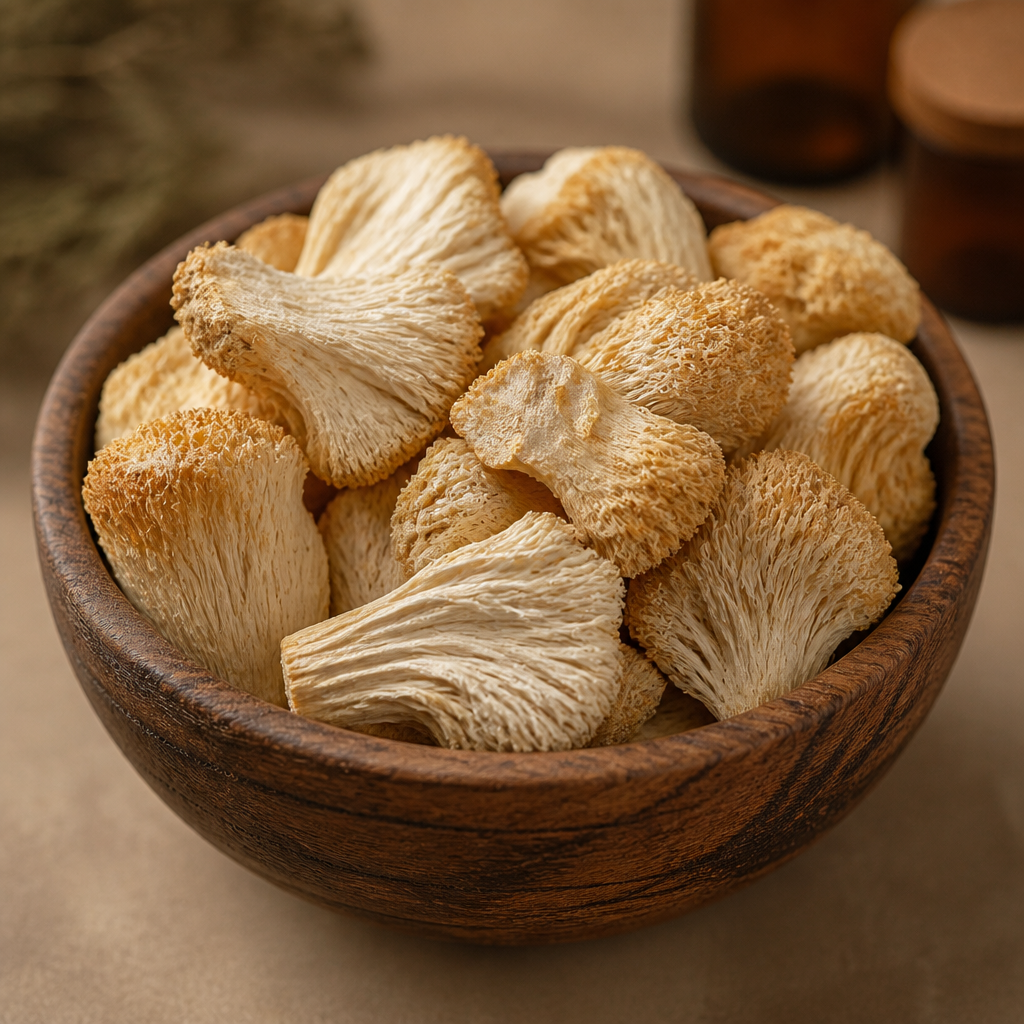
Lion’s mane mushroom (Hericium erinaceus) contains bioactive compounds called hericenones and erinacines that cross the blood-brain barrier and stimulate the production of nerve growth factor. NGF plays a crucial role in maintaining, growing, and organizing neurons, particularly in areas of the brain involved in attention, memory, and executive function. These are precisely the regions that often show structural and functional differences in ADHD brains.
For adults with ADHD, the theoretical appeal is straightforward: if lion’s mane supports neuroplasticity and neural health, it might help compensate for some of the dopamine regulation and prefrontal cortex connectivity challenges characteristic of the condition. Research in animal models has shown improved cognitive function and reduced inflammation after lion’s mane supplementation, though translating these findings to human ADHD requires caution.
Our lion’s mane capsules contain dual-extracted fruiting body to preserve both water-soluble and alcohol-soluble compounds, making the full spectrum of bioactive ingredients available.
What ADHD users report about lion's mane
Anecdotal reports from adults with ADHD who supplement with lion’s mane reveal a consistent pattern of subtle, cumulative effects rather than immediate dramatic changes. Common themes include:
- Reduced mental fog: many describe a gradual clearing of the ‘static’ that makes focusing difficult, particularly noticeable after 3-6 weeks of daily use
- Improved task initiation: users report finding it slightly easier to start tasks they have been avoiding, a core ADHD challenge
- Better working memory: some notice they can hold information in mind more reliably during conversations or multi-step tasks
- More consistent energy: rather than the peaks and crashes typical of stimulant medications, lion’s mane seems to provide steadier cognitive availability
It is important to note that these are subjective reports, not controlled observations. Individual responses vary widely, and many users emphasize that lion’s mane works best as part of a comprehensive approach that might include medication, therapy, exercise, and sleep hygiene.
One Reddit user with combined-type ADHD described it this way: ‘Lion’s mane doesn’t make me feel focused the way my medication does, but after about a month I noticed I could actually finish reading a full page without re-reading it three times. It is subtle but real.’
The nerve growth factor connection
The scientific interest in lion’s mane and ADHD centres on NGF and brain-derived neurotrophic factor (BDNF). Both proteins support neuroplasticity, the brain’s ability to form new connections and reorganize itself. ADHD is increasingly understood not just as a dopamine deficiency but as a condition involving reduced connectivity between brain regions, particularly the prefrontal cortex and reward circuits.
A 2020 study published in Biomedical Research demonstrated that lion’s mane extract improved recognition memory and reduced anxiety-like behaviour in mice, with measurable increases in hippocampal NGF expression. While rodent studies do not directly translate to human ADHD, they establish biological plausibility: the mushroom demonstrably affects the neurological systems implicated in attention and executive function.
Human trials remain limited but encouraging. A small Japanese study found that elderly adults with mild cognitive impairment showed improved cognitive scores after 16 weeks of lion’s mane supplementation compared to placebo. While this population differs from adults with ADHD, it suggests the mushroom’s cognitive benefits can manifest in human subjects.
How lion's mane compares to ADHD medications
It is essential to be clear: lion’s mane is not a replacement for prescribed ADHD medication. Stimulants like methylphenidate and amphetamines work through direct dopamine and norepinephrine modulation with rapid, measurable effects. Lion’s mane operates through entirely different mechanisms related to neural growth and maintenance.
Think of it this way: medication addresses the immediate neurochemical imbalance, while lion’s mane potentially supports the underlying neural infrastructure over time. Many adults with ADHD use both, finding that the mushroom complements their medication by reducing side effects like afternoon crashes or supporting cognitive function on days when they take a medication break.
For those who cannot tolerate stimulant medications or prefer to avoid them, lion’s mane represents one tool among several non-pharmaceutical options, alongside omega-3 fatty acids, exercise protocols, and cognitive behavioural strategies. Realistic expectations are crucial: effects are subtle and take weeks to emerge.
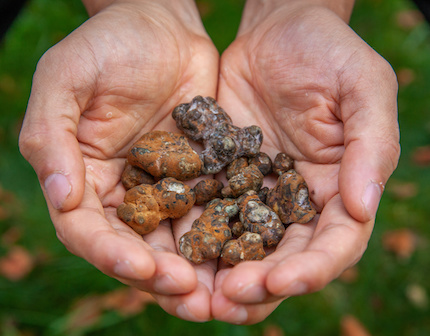
Some users combine lion’s mane with psilocybin microdosing, following protocols that emphasize neuroplasticity and mood regulation. This combination is sometimes called a variation of the Stamets stack when niacin is added.
Dosing and timing for ADHD support
Most users working with ADHD symptoms take 500-1500mg of lion’s mane extract daily, typically in the morning. Consistency matters more than specific timing, as the NGF-promoting effects accumulate over weeks rather than providing acute benefits.
GO Microdose offers both capsule and liquid forms. Capsules provide convenient, consistent dosing at 500mg per serving, while the liquid allows for more flexible dosing adjustments. Both are dual-extracted to ensure you receive the full spectrum of bioactive compounds.
Many ADHD users report best results when taking lion’s mane with breakfast, which aids absorption and establishes a reliable routine. Given that executive dysfunction makes consistency challenging for ADHD brains, linking supplementation to an existing habit increases adherence.
Effects typically become noticeable after 2-4 weeks of consistent use, though some users report subtle changes within the first week. If you have not noticed any difference after 8 weeks at an adequate dose, lion’s mane may simply not be effective for your particular neurobiology. Individual variation is normal and expected.
Combining lion's mane with other supports
Adults with ADHD often benefit from a multi-pronged approach. Lion’s mane works well alongside:
- Omega-3 fatty acids: EPA and DHA support dopamine receptor function and reduce inflammation
- Magnesium: many ADHD brains are deficient; our magnesium bisglycinate supports calm and sleep quality
- Exercise: particularly cardiovascular activity, which increases BDNF naturally
- Structured routines: external scaffolding compensates for executive function challenges
Some users explore lion’s mane as part of the Paul Stamets stack, which combines psilocybin microdosing with lion’s mane and niacin. The theory is that niacin’s vasodilating properties help distribute the other compounds more effectively throughout the nervous system, while the combination supports neurogenesis. This remains experimental but has gathered a dedicated following.
There are no known contraindications between lion’s mane and ADHD medications, but always inform your prescriber about supplements you are taking. Transparency allows them to monitor your overall treatment picture accurately.
What to watch out for
Lion’s mane is generally well-tolerated, but a small percentage of users report:
- Digestive discomfort: mild nausea or stomach upset, usually resolved by taking with food
- Skin reactions: rare allergic responses in people sensitive to mushrooms
- Vivid dreams: some users notice more intense or memorable dreams, which may be related to NGF activity during sleep
For ADHD users specifically, there is occasional mention of increased restlessness or agitation, particularly at higher doses. If you notice worsening symptoms, reduce your dose or discontinue use. Every brain is different, and what supports one person’s ADHD may not suit another’s.
Quality matters significantly with functional mushrooms. Look for products that specify dual extraction and fruiting body source rather than mycelium grown on grain, which dilutes active compounds. All GO Microdose functional mushrooms meet these standards and include third-party testing for purity.
Frequently asked questions
Can lion’s mane replace ADHD medication?
No. Lion’s mane works through entirely different mechanisms than stimulant or non-stimulant ADHD medications and produces much subtler effects. It may complement medication or provide mild support for those using non-pharmaceutical management strategies, but it should not be considered a replacement for prescribed treatment.
How long before I notice effects on ADHD symptoms?
Most users report subtle changes after 2-4 weeks of consistent daily use, with more noticeable effects around 6-8 weeks. NGF production and neuroplasticity take time. If you have noticed no difference after 8 weeks at an adequate dose, lion’s mane may not be effective for your particular brain chemistry.
What dose of lion’s mane should I take for ADHD?
Typical dosing ranges from 500-1500mg of dual-extracted fruiting body extract daily. Start at 500mg with breakfast for 2-3 weeks, then increase to 1000mg if needed. Consistency matters more than dose size for NGF-related effects.
Are there any interactions between lion’s mane and ADHD medications?
No known contraindications exist between lion’s mane and common ADHD medications like methylphenidate, amphetamines, or atomoxetine. However, always inform your prescriber about any supplements you are taking so they can monitor your overall treatment.
Can I combine lion’s mane with psilocybin microdosing for ADHD?
Many users do, following protocols like the Stamets stack. The combination theoretically supports neuroplasticity through complementary mechanisms. Start each intervention separately to gauge individual effects before combining. Our microdosing starter pack includes everything you need to begin safely.
Does lion’s mane work for all ADHD types?
User reports come from people with inattentive, hyperactive, and combined-type ADHD. There is no evidence suggesting it works better for one subtype, though individuals with prominent executive dysfunction and working memory issues may notice the most relevant benefits. Response remains highly individual regardless of ADHD presentation.
Final thoughts
Lion’s mane and ADHD represents a promising area where traditional medicine, user experience, and emerging neuroscience converge. While we await dedicated clinical trials, the existing research on NGF and cognitive function provides biological plausibility for the benefits many users report. For adults seeking to complement their ADHD management with natural supports, lion’s mane offers a low-risk, evidence-informed option worth exploring. Browse our full range of functional mushroom supplements to find the right fit for your cognitive wellness routine.