- Written on
- 7 min. reading time

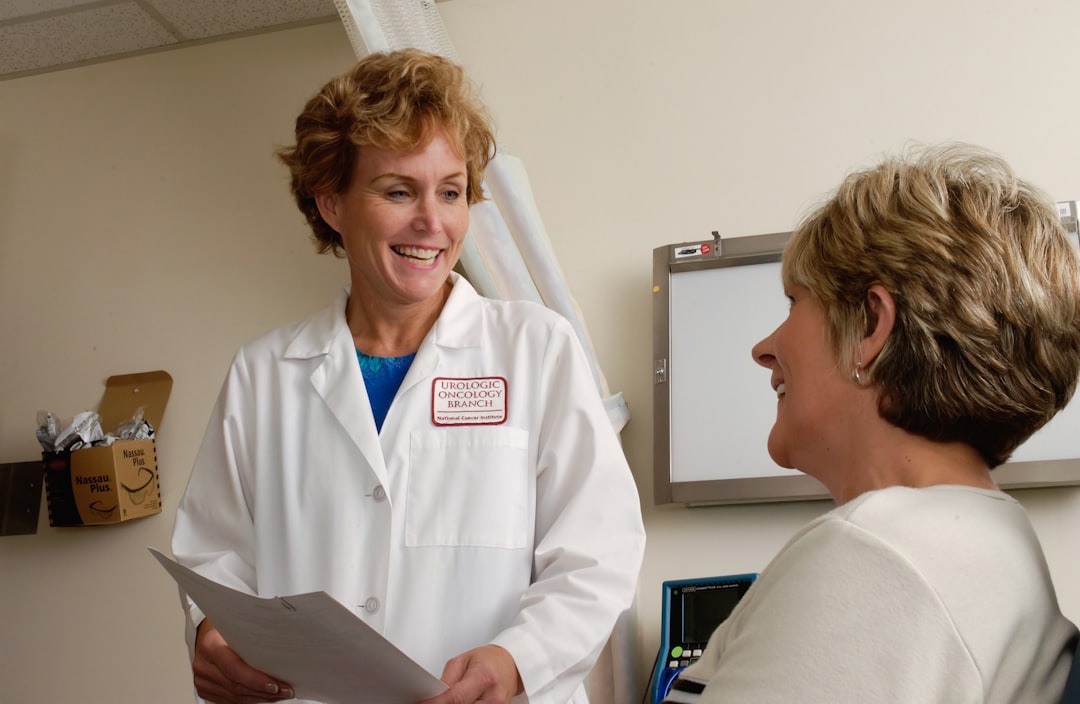
The question of microdosing and antidepressants is one of the most common we hear, and it deserves an honest answer. If you are currently taking antidepressants, especially SSRIs or MAOIs, combining them with psilocybin microdosing can reduce the effectiveness of your microdose, pose health risks, or both. The safest path is always to consult your prescribing doctor before making any changes to your medication or starting a microdosing practice.
Why microdosing and antidepressants interact
Psilocybin, the active compound in fresh truffles, works primarily by activating serotonin receptors in the brain, particularly the 5-HT2A receptor. This same receptor system is the target of most antidepressant medications. When you introduce two substances that affect serotonin signalling at the same time, they can interfere with each other in ways that are unpredictable and, in some cases, unsafe.
The nature of the interaction depends largely on which class of antidepressant you are taking. The two most important categories to understand are SSRIs (selective serotonin reuptake inhibitors) and MAOIs (monoamine oxidase inhibitors).
What happens when you combine psilocybin with SSRIs?
SSRIs are the most commonly prescribed antidepressants. They include medications like sertraline (Zoloft), fluoxetine (Prozac), citalopram (Celexa), and escitalopram (Lexapro). SSRIs work by increasing the availability of serotonin in the brain, which helps improve mood over time.
When psilocybin is taken alongside an SSRI, the most common outcome is that the psilocybin simply does not work. Many people report feeling little to nothing from their microdose, even at higher-than-usual amounts. This happens because SSRIs downregulate serotonin receptors over time, which means there are fewer receptors available for psilocybin to activate.
This is not dangerous in itself, but it does mean that microdosing may be ineffective while you are on SSRIs. Some people are tempted to increase their dose to compensate, but this is not recommended. If you are interested in exploring microdosing, the better approach is to work with your doctor on a safe taper plan for your medication, allowing time for your receptor sensitivity to return.
Why MAOIs and psilocybin are a more serious concern
MAOIs are a less common class of antidepressants, but the interaction with psilocybin is far more serious. MAOIs include medications like phenelzine (Nardil), tranylcypromine (Parnate), and isocarboxazid (Marplan). These drugs work by blocking the enzyme that breaks down serotonin, dopamine, and other neurotransmitters.
When psilocybin is combined with an MAOI, there is a risk of serotonin syndrome, a potentially life-threatening condition caused by excessive serotonin activity in the brain. Symptoms can include confusion, rapid heart rate, high blood pressure, dilated pupils, muscle rigidity, and in severe cases, seizures or loss of consciousness.
This combination is not theoretical. It has been documented in clinical settings and should be avoided entirely. If you are taking an MAOI, do not microdose psilocybin without direct supervision from a medical professional, and only after safely discontinuing your medication under their guidance.
What about other psychiatric medications?
Beyond SSRIs and MAOIs, there are other medications that may interact with psilocybin to varying degrees:
- SNRIs (serotonin-norepinephrine reuptake inhibitors) like venlafaxine (Effexor) and duloxetine (Cymbalta) can also blunt the effects of psilocybin, though the evidence is less clear than with SSRIs.
- Lithium, used for bipolar disorder, has been reported in some cases to increase the risk of seizures when combined with psychedelics. This combination should be avoided.
- Benzodiazepines (like diazepam or alprazolam) and antipsychotics may reduce the subjective effects of psilocybin but are not considered dangerous in combination.
Every individual situation is different. If you are on any psychiatric medication and considering microdosing, speak with your prescribing doctor first.
Can you taper off antidepressants to start microdosing?
Some people do choose to taper off their antidepressants with the intention of trying microdosing as an alternative or complementary approach. This is a personal decision that must be made with medical guidance. Discontinuing antidepressants abruptly can lead to withdrawal symptoms, mood instability, and a return of depressive symptoms.
A safe taper is gradual, typically over several weeks or months, and should be monitored by your doctor. Even after stopping an SSRI, it can take several weeks for receptor sensitivity to normalize. During this time, psilocybin may still have a reduced effect. Patience and medical support are essential.
If you do decide to explore this path, our complete microdosing guide offers a structured introduction once you are ready to begin safely.
What if I am microdosing and want to start antidepressants?
The reverse scenario is equally important. If you are currently microdosing and your mental health needs have changed to the point where you and your doctor agree that antidepressants may help, it is wise to pause your microdosing practice while you begin the medication.
Antidepressants take time to reach therapeutic levels in your system, and it is important to give them a fair trial without interference. Once your medication is stable and you have assessed its effects, you can revisit the question of whether microdosing still has a role in your routine, ideally in conversation with your prescriber.
Practical harm reduction advice
If you are already taking antidepressants and considering microdosing, here is what we recommend:
- Do not stop your medication without medical supervision.
- Be honest with your doctor about your interest in microdosing. Many doctors are now familiar with the research and open to discussing it.
- If you are on an MAOI, do not combine it with psilocybin under any circumstances.
- If you are on an SSRI and choose to try a microdose despite the likely reduced effect, start with a standard dose of around 0.5 grams of fresh truffles and do not increase beyond safe ranges. Use our dosage calculator to find your starting point.
- Keep a journal to track your mood, energy, and any side effects, especially if you are transitioning between medications.
Harm reduction is about making informed choices, not taking unnecessary risks. Your mental health is too important to gamble with.
Frequently asked questions
Can I microdose while on Prozac or Zoloft?
You can, but it is unlikely to be effective. SSRIs like Prozac and Zoloft reduce the number of serotonin receptors available for psilocybin to activate, which typically means you will feel little to no effect from your microdose. It is not dangerous, but it is generally not worthwhile without tapering off the SSRI first under medical guidance.
Is it safe to microdose on antidepressants?
It depends on the type of antidepressant. With SSRIs, the main issue is reduced effectiveness rather than safety. With MAOIs, the combination can be dangerous and should be avoided entirely due to the risk of serotonin syndrome. Always consult your doctor before combining the two.
How long after stopping an SSRI can I start microdosing?
Most SSRIs take between two and six weeks to fully leave your system and for receptor sensitivity to normalize. The timeline varies depending on the specific medication and how long you have been taking it. It is best to wait at least four weeks and ideally discuss timing with your prescriber.
What is serotonin syndrome and how do I recognize it?
Serotonin syndrome is a rare but serious condition caused by too much serotonin activity in the brain. Symptoms include confusion, agitation, rapid heart rate, high blood pressure, dilated pupils, muscle twitching or rigidity, sweating, and fever. If you experience these symptoms after combining psilocybin with an MAOI or other serotonergic drugs, seek emergency medical help immediately.
Can I take other supplements while on antidepressants and microdosing?
Some supplements, particularly those that affect serotonin like 5-HTP or St John’s wort, should not be combined with antidepressants or psilocybin. Others like ashwagandha or magnesium are generally safe, but it is always wise to check with your doctor or pharmacist to avoid interactions.
Will microdosing help me get off antidepressants?
Microdosing is not a replacement therapy for antidepressants, and it should not be used as a tool to self-manage withdrawal. Some people do find that microdosing supports their mood and resilience after they have safely tapered off their medication, but this should only be done with medical guidance and a clear plan in place.
Final thoughts
The relationship between microdosing and antidepressants is not straightforward, and there is no one-size-fits-all answer. What matters most is that you make decisions based on honest information, medical guidance, and respect for your own mental health needs. If psilocybin microdosing is something you want to explore, do it safely, patiently, and with the support of professionals who understand both your medication and your goals.