- Written on
- 7 min. reading time

Microdosing for perimenopause is gaining attention among women seeking natural support for hormonal transition symptoms. Early research and anecdotal reports suggest that small, sub-perceptual doses of psilocybin may help ease mood swings, improve sleep quality, and sharpen cognitive function during this challenging phase. While scientific evidence remains limited, many women report feeling more emotionally balanced and mentally clear when incorporating microdosing into their wellness routine alongside other lifestyle adjustments.
What happens during perimenopause?

Perimenopause is the transitional phase before menopause, typically beginning in a woman’s 40s but sometimes earlier. It can last anywhere from a few months to over a decade. During this time, oestrogen and progesterone levels fluctuate unpredictably, causing a cascade of physical and emotional changes.
Common symptoms include irregular periods, hot flushes, night sweats, sleep disturbances, mood swings, anxiety, brain fog, and reduced libido. Many women also report feeling emotionally fragile, irritable, or disconnected from themselves. These shifts aren’t just inconvenient: they can significantly impact work performance, relationships, and overall quality of life.
The reason these symptoms occur is that oestrogen plays a key role in regulating serotonin, the neurotransmitter responsible for mood stability, sleep, and cognition. When oestrogen drops and fluctuates, serotonin pathways are disrupted, which can trigger depressive symptoms, anxiety, and cognitive difficulties.
How might microdosing support perimenopausal symptoms?
Psilocybin, the active compound in fresh truffles, interacts with serotonin receptors in the brain, particularly the 5-HT2A receptor. This interaction appears to promote neuroplasticity, enhance emotional regulation, and support mood stability. For women experiencing the serotonin disruption common in perimenopause, microdosing may offer a gentle recalibration.
Anecdotal reports from women using microdosing for perimenopause describe improvements in several key areas:
- Mood stability: Reduced emotional reactivity, fewer tearful episodes, and a greater sense of calm
- Cognitive clarity: Sharper focus, improved memory recall, and relief from ‘brain fog’
- Sleep quality: Falling asleep more easily and waking less frequently during the night
- Emotional resilience: Greater capacity to navigate stress and uncertainty
These effects align with emerging research on psilocybin’s ability to support emotional processing and cognitive flexibility. While clinical trials specific to perimenopause are lacking, studies on depression and anxiety suggest that psilocybin can help restore balance to dysregulated mood systems.
What does the research say?
There are no clinical trials yet examining microdosing specifically for perimenopausal symptoms. However, broader research on psilocybin and mental health offers relevant insights. A 2022 study published in Nature Medicine found that psilocybin therapy significantly reduced symptoms of treatment-resistant depression, with effects lasting months after treatment. Another study from Imperial College London demonstrated that psilocybin increases neural connectivity and flexibility, which may explain its mood-regulating effects.
Regarding microdosing specifically, a 2023 observational study in Scientific Reports tracked over 900 microdosers and found improvements in mood, focus, and creativity compared to non-microdosing controls. Participants reported feeling more emotionally balanced and mentally agile. While these studies don’t isolate perimenopausal women, the mechanisms align closely with the symptoms many experience during hormonal transition.
It’s also worth noting that psilocybin’s impact on neuroplasticity may be particularly valuable during perimenopause, a time when the brain is adapting to new hormonal conditions. Supporting the brain’s ability to form new neural pathways could help ease the transition rather than fighting against it.
How to approach microdosing during perimenopause
If you’re considering microdosing for perimenopause, start with a clear intention and a structured approach. A typical microdose of fresh psilocybin truffles is around 0.5 grams, though some women find their sweet spot between 0.3 and 0.7 grams. Because GO Microdose sells fresh truffles, not dried, these doses are already calibrated for fresh weight. If you come across information about dried mushrooms, remember that 1 gram dried equals roughly 3 grams fresh.
Begin with a conservative dose and observe how your body responds. Hormonal fluctuations can make your sensitivity vary from week to week, so it’s wise to keep a simple journal tracking your dose, the day of your cycle (if still menstruating), and any noticeable effects on mood, sleep, or cognition. Our dosage calculator can help you find your starting point.
Many women follow the Fadiman protocol: one day on, two days off. This rhythm allows you to notice benefits without building tolerance. Others prefer dosing only on particularly challenging days. There’s no single right way, so experiment mindfully and adjust as needed. If you’re new to microdosing, our starter pack includes everything you need to begin safely.
Can you combine microdosing with other support strategies?
Microdosing works best as part of a broader wellness strategy, not as a standalone solution. Consider combining it with other evidence-based approaches to perimenopausal symptoms:
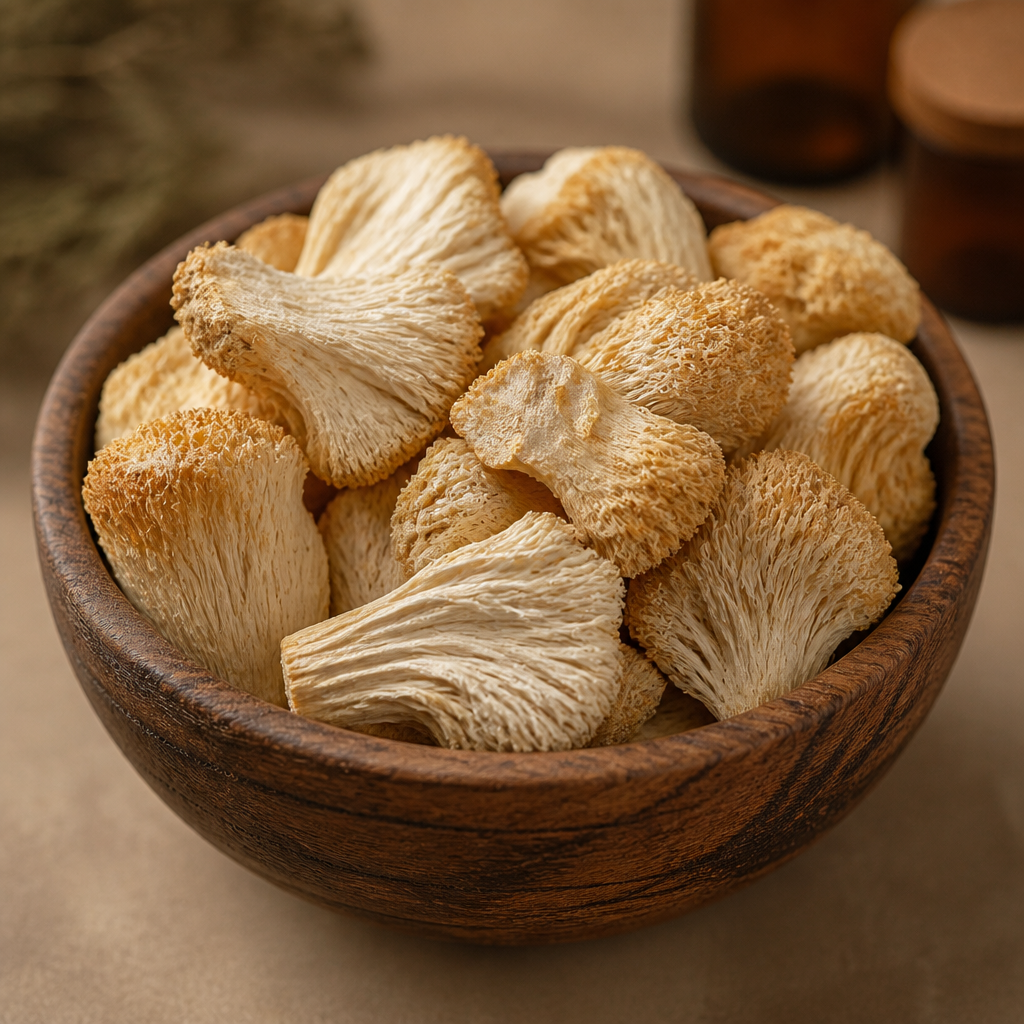
- Functional mushrooms: Lion’s mane supports cognitive function and may help counter brain fog. Reishi promotes relaxation and deeper sleep, which is often disrupted during perimenopause.
- Adaptogens: Ashwagandha KSM-66 helps regulate cortisol and supports stress resilience. Many women find it particularly helpful for anxiety and emotional overwhelm during hormonal shifts.
- Magnesium: Magnesium bisglycinate can improve sleep quality and ease muscle tension, both common complaints during perimenopause.
- Lifestyle foundations: Regular movement, stress management practices like yoga or breathwork, and a nutrient-dense diet all support hormonal balance and symptom relief.
For a comprehensive approach, consider the Calm & Recovery Stack, which combines microdosing strips with reishi and magnesium for stress reduction and better sleep.
What to watch out for
Microdosing is generally well-tolerated, but there are a few considerations specific to perimenopausal women. If you’re taking antidepressants, particularly SSRIs, speak with a healthcare provider before starting. Psilocybin and SSRIs both affect serotonin pathways, and combining them can dull the effects of microdosing or, in rare cases, lead to serotonin syndrome.
Some women notice that their microdose feels stronger or weaker depending on where they are in their hormonal cycle. This is normal. Oestrogen influences serotonin receptor sensitivity, so your response to psilocybin may shift week to week. Adjust your dose accordingly and track patterns over time.
If you experience increased anxiety, restlessness, or overstimulation, your dose may be too high. Drop down by 0.1 grams and reassess. Microdosing should feel subtle and supportive, never overwhelming. For more guidance on finding your threshold, read our post on why some people feel nothing on microdoses.
Is microdosing right for you?
Microdosing isn’t a magic fix for perimenopause, but for many women it offers meaningful support during a turbulent transition. If you’re struggling with mood swings, brain fog, or disrupted sleep and conventional approaches haven’t been enough, microdosing may be worth exploring.
Start slowly, track your experience, and remain open to adjusting your approach. Perimenopause is a time of profound change, and supporting your brain and nervous system through that change can make a significant difference in how you feel day to day. For a deeper dive into how to get started safely, explore our complete microdosing guide.
Frequently asked questions
What dose should I start with for microdosing during perimenopause?
Start with 0.5 grams of fresh psilocybin truffles and adjust based on your response. Some women find their ideal dose between 0.3 and 0.7 grams. Hormonal fluctuations can affect sensitivity, so keep a journal and be prepared to fine-tune your dose over time.
Can I microdose if I’m on hormone replacement therapy (HRT)?
There are no known contraindications between psilocybin and HRT. However, if you’re taking antidepressants or other psychiatric medication alongside HRT, consult a healthcare provider before starting microdosing to ensure safety.
How long does it take to notice benefits?
Some women report subtle improvements in mood and focus within the first week. For others, it may take two to three weeks of consistent dosing to notice meaningful changes. Patience and consistency are key, especially during perimenopause when symptoms can fluctuate.
Will microdosing affect my menstrual cycle?
There’s no evidence that microdosing disrupts menstrual cycles. However, your sensitivity to psilocybin may vary depending on where you are in your cycle due to hormonal shifts. Track your doses and cycle phases to identify any patterns.
Can I combine microdosing with functional mushrooms like lion’s mane or reishi?
Yes, many women find that combining microdosing with functional mushrooms enhances overall support. Lion’s mane can sharpen cognition, while reishi promotes relaxation and sleep. These combinations are safe and often complementary.
Is microdosing safe long-term during perimenopause?
Current evidence suggests microdosing is safe for extended use, though long-term studies are limited. Most protocols include regular breaks (such as two days off between doses) to prevent tolerance. Listen to your body and adjust as your symptoms and needs evolve.
Conclusion
Microdosing for perimenopause offers a promising, natural approach for women navigating the emotional and cognitive challenges of hormonal transition. While research is still emerging, early findings and real-world experiences suggest it can support mood stability, mental clarity, and better sleep. Start gently, track your progress, and consider integrating other supportive practices for the best results. Explore our range of products to begin your journey.