- Written on
- 7 min. reading time

Reishi tea before bed is a centuries-old practice in traditional Chinese medicine, valued for its calming properties and ability to support restful sleep. Known as lingzhi or the ‘mushroom of immortality’, reishi has been used for over 2,000 years to promote relaxation, ease the mind, and support the body’s natural sleep-wake cycle. Today, modern research is beginning to validate what ancient healers knew intuitively: that reishi’s unique compounds may help reduce stress, calm the nervous system, and improve sleep quality.
Why reishi earned the title 'queen of mushrooms'
In ancient China, reishi mushrooms were so highly prized that they were reserved for emperors and nobility. Taoist monks cultivated and consumed reishi to support meditation, longevity, and spiritual clarity. The mushroom appears in classical texts dating back to the Han Dynasty, where it was described as a superior herb capable of nourishing the spirit and extending life.
Unlike many medicinal plants that target specific symptoms, reishi was considered an adaptogen, a substance that helps the body maintain balance under stress. Traditional practitioners believed it calmed shen, the spirit or mind, making it especially useful for those struggling with restlessness, anxiety, or disturbed sleep. This holistic approach to wellness is why reishi became known as the ‘queen of mushrooms’, sitting alongside ginseng and cordyceps in the upper tier of Chinese herbal medicine.
Today, reishi supplements are available in capsule and liquid form, but the traditional preparation method remains tea, a ritual that honours both the mushroom’s ancient roots and its calming properties.
What makes reishi effective for sleep?
Reishi contains several bioactive compounds that contribute to its calming effects. The most studied are triterpenes, polysaccharides, and peptidoglycans. Triterpenes, in particular, have been shown to influence the central nervous system, promoting relaxation and reducing physical markers of stress.
Research suggests that reishi may modulate GABA receptors in the brain. GABA (gamma-aminobutyric acid) is the primary inhibitory neurotransmitter, responsible for slowing down neural activity and promoting feelings of calm. By enhancing GABAergic activity, reishi may help ease the racing thoughts and physical tension that often interfere with sleep onset.
Additionally, reishi appears to support the body’s stress response system, the hypothalamic-pituitary-adrenal (HPA) axis. Chronic stress keeps cortisol levels elevated, disrupting circadian rhythms and making it harder to fall asleep. Reishi’s adaptogenic properties may help regulate cortisol, allowing the body to transition more smoothly into rest mode. While more human trials are needed, early findings align closely with traditional use.
How to prepare traditional reishi tea before bed
Traditional preparation of reishi tea before bed involves a slow decoction, a method that extracts the mushroom’s water-soluble compounds more effectively than steeping alone. Here’s how to prepare it:
- Use dried reishi slices or powder: Start with 3 to 5 grams of dried reishi mushroom. Whole slices release flavour slowly, while powder offers quicker extraction.
- Simmer, don’t boil: Add the reishi to 500ml of water in a small pot. Bring to a gentle simmer, then reduce heat to low. Let it simmer for 1 to 2 hours. The longer the simmer, the more triterpenes and polysaccharides are extracted.
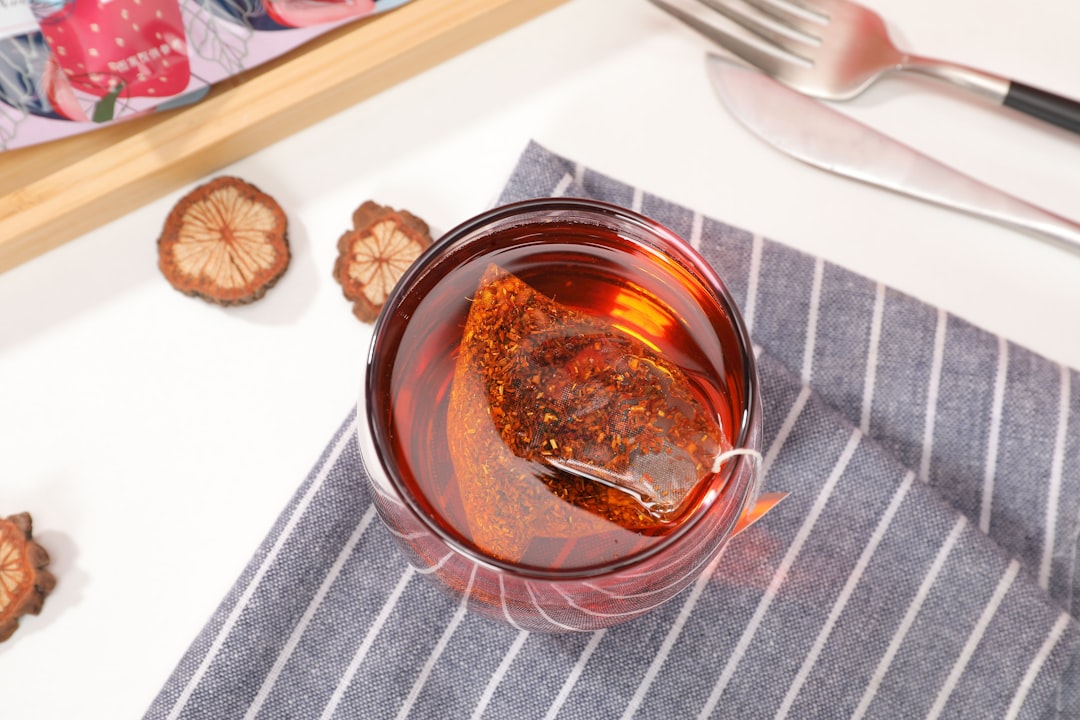
- Strain and serve: Pour the tea through a fine mesh strainer. The liquid will be dark brown with a slightly bitter, earthy flavour.
- Optional additions: Honey, ginger, or a slice of lemon can soften the bitterness. Some traditionalists add jujube dates or goji berries for sweetness and additional calming properties.
Drink the tea 30 to 60 minutes before bed. The ritual of preparing and sipping the tea slowly can itself become a calming pre-sleep routine, signalling to the body that it’s time to wind down.
Modern alternatives to traditional tea preparation
Not everyone has the time or patience for a two-hour decoction. Modern extraction methods have made reishi more accessible without sacrificing potency. Reishi liquid extracts use dual-extraction techniques, combining water and alcohol to capture both water-soluble polysaccharides and alcohol-soluble triterpenes. A few drops in warm water or herbal tea can deliver comparable benefits in seconds.
Capsules offer another convenient option, especially for those who dislike reishi’s naturally bitter taste. Look for products standardised for polysaccharide and triterpene content to ensure quality. While capsules lack the meditative ritual of tea preparation, they’re practical for consistent daily use.
Some people combine reishi with other calming herbs to create a custom sleep blend. Chamomile, passionflower, valerian, and lavender pair well with reishi’s earthy profile. This approach mirrors traditional Chinese herbal formulas, which often combined multiple botanicals to address different aspects of sleep disturbance.
Who should consider reishi tea before bed?
Reishi is generally well-tolerated and suits most adults looking for a natural sleep aid. It may be especially helpful for people whose sleep issues stem from stress, overactive thoughts, or difficulty unwinding after demanding days. Unlike pharmaceutical sleep aids, reishi doesn’t force sedation. Instead, it supports the body’s natural ability to relax and transition into sleep.
Those with autoimmune conditions should consult a healthcare provider before using reishi regularly, as its immune-modulating effects could theoretically interact with immune-suppressing medications. Pregnant or breastfeeding individuals should also seek medical advice, as safety data in these populations is limited.
Reishi works best as part of a broader sleep hygiene routine. Consistent sleep and wake times, a cool dark bedroom, reduced screen time before bed, and stress management practices all amplify reishi’s benefits. It’s a supportive tool, not a standalone solution.
Combining reishi with other functional mushrooms
Reishi pairs well with other functional mushrooms depending on your goals. For cognitive support during the day, lion’s mane can complement reishi’s evening calming effects. Lion’s mane supports focus and mental clarity, while reishi helps the nervous system recover at night.
Some people also use cordyceps in the morning for energy and endurance, reserving reishi strictly for evening use. This creates a natural rhythm: stimulating mushrooms during active hours, calming mushrooms as the day winds down. The key is consistency and paying attention to how your body responds over time.
Our functional mushroom range includes both capsules and liquids, making it easy to design a personalised mushroom protocol that supports sleep, focus, immunity, and energy throughout the day.
What to expect when you start drinking reishi tea
Reishi is not a fast-acting sedative. Most people notice subtle improvements in sleep quality and stress resilience after one to two weeks of consistent use. You may find it easier to fall asleep, experience fewer middle-of-the-night wakings, or feel more refreshed upon waking.
Some users report vivid dreams during the first week, which typically normalise over time. This may reflect improved REM sleep, a phase often disrupted by stress and poor sleep habits. Others notice a general sense of calm during the day, even when not actively focused on sleep.
Patience is essential. Traditional Chinese medicine views reishi as a tonic herb, meaning its benefits accumulate gradually with regular use. Think of it as nourishing the nervous system over time rather than switching off the mind immediately. For best results, commit to at least a month of nightly use before deciding whether reishi works for you.
Frequently asked questions
Can I drink reishi tea every night?
Yes, reishi is generally safe for long-term nightly use. Traditional Chinese medicine practitioners often recommend ongoing use as a tonic to support overall vitality and stress resilience. However, if you’re taking medications or have underlying health conditions, consult your doctor first.
Does reishi tea make you drowsy immediately?
No, reishi doesn’t cause immediate drowsiness like sleeping pills. It works more subtly by calming the nervous system and reducing stress over time. Most people feel a gentle sense of relaxation within 30 to 60 minutes, but it won’t knock you out.
How does reishi tea taste?
Reishi has a naturally bitter, earthy, and slightly woody flavour. Some describe it as medicinal. Adding honey, ginger, or lemon can make it more palatable. Liquid extracts and capsules are good alternatives if you dislike the taste.
Can I combine reishi tea with other sleep supplements?
Reishi generally combines well with other natural sleep aids like magnesium, chamomile, or valerian. Our magnesium bisglycinate is a popular pairing for deeper relaxation. Avoid combining reishi with prescription sedatives without medical guidance.
Is reishi tea better than reishi capsules for sleep?
Both are effective, but tea preparation can become a calming bedtime ritual that enhances the sleep-promoting effects. Capsules and liquids are more convenient and have standardised dosing, which ensures consistent potency. Choose based on your lifestyle and preferences.
How long does it take for reishi to improve sleep?
Most people notice subtle improvements within one to two weeks of nightly use. Full benefits often emerge after a month of consistent consumption. Reishi supports the nervous system cumulatively, so patience and regularity are key.
Conclusion
Drinking reishi tea before bed connects you to an ancient tradition that valued balance, longevity, and the nourishment of the spirit. Whether you prepare it the slow, traditional way or use a modern extract, reishi offers a gentle, natural path to calmer nights and more restful sleep. Explore our full range of reishi products and discover how the queen of mushrooms can support your evening routine.