- Written on
- 5 min. reading time

Zinc and recovery are deeply connected. This essential mineral supports immune function, helps regulate hormones like testosterone and cortisol, and plays a critical role in repairing damaged tissue after physical stress. Athletes pushing their bodies through intense training and shift workers coping with irregular sleep patterns both lose zinc through sweat, stress, and disrupted routines, making adequate intake vital for staying healthy and bouncing back faster.
Why zinc matters for recovery
Zinc is involved in over 300 enzymatic reactions in your body. It’s not stored long-term, so you need a consistent supply through diet or supplementation. When zinc levels drop, recovery slows, immunity weakens, and hormone balance suffers.
For active adults, zinc supports muscle protein synthesis, the process your body uses to rebuild muscle fibres after training. Without enough zinc, muscle repair takes longer and strength gains plateau. For shift workers, zinc helps regulate cortisol and supports immune resilience during periods of disrupted circadian rhythm, when inflammation and illness risk naturally rise.
How zinc supports immunity during physical stress
Hard training and irregular schedules both strain your immune system. Zinc activates T-cells, which identify and destroy infected cells, and helps regulate inflammatory responses. Low zinc levels are linked to increased susceptibility to respiratory infections, longer illness duration, and slower healing.
Athletes who train intensely multiple times per week lose zinc through sweat and increased metabolic demand. Shift workers face immune suppression from poor sleep quality and circadian misalignment. Both groups benefit from maintaining optimal zinc status to reduce downtime from illness and support consistent performance.
Zinc's role in hormone balance and tissue repair
Zinc is essential for testosterone production in both men and women. Testosterone supports muscle growth, bone density, and recovery from physical exertion. Studies show that zinc deficiency reduces testosterone levels, while supplementation can restore normal levels in deficient individuals.
Zinc also influences cortisol, your primary stress hormone. Chronic stress and poor sleep elevate cortisol, which breaks down muscle tissue and suppresses immune function. Adequate zinc helps modulate cortisol response, supporting better stress adaptation and faster tissue repair after workouts or long shifts.
Beyond hormones, zinc is required for collagen synthesis and cellular repair. It accelerates wound healing, reduces inflammation, and supports skin integrity. For athletes dealing with minor injuries or shift workers whose skin and gut health suffer from irregular routines, zinc and recovery go hand in hand.
Signs you might be zinc deficient
Zinc deficiency often develops gradually. Common signs include:
- Frequent colds or infections that linger
- Slow wound healing or persistent skin issues
- Loss of taste or smell
- Thinning hair or brittle nails
- Low energy, poor focus, or mood changes
- Reduced appetite
Athletes and shift workers are at higher risk due to increased zinc loss and dietary gaps. Vegetarians and vegans also need to pay attention, as plant-based zinc sources are less bioavailable than animal sources.
How much zinc do you need?
The recommended daily intake for zinc is around 11 mg for men and 8 mg for women. Athletes and shift workers under chronic stress may benefit from slightly higher intakes, typically 15 to 30 mg per day, but it’s important not to exceed 40 mg daily long-term, as excessive zinc can interfere with copper absorption and cause other imbalances.
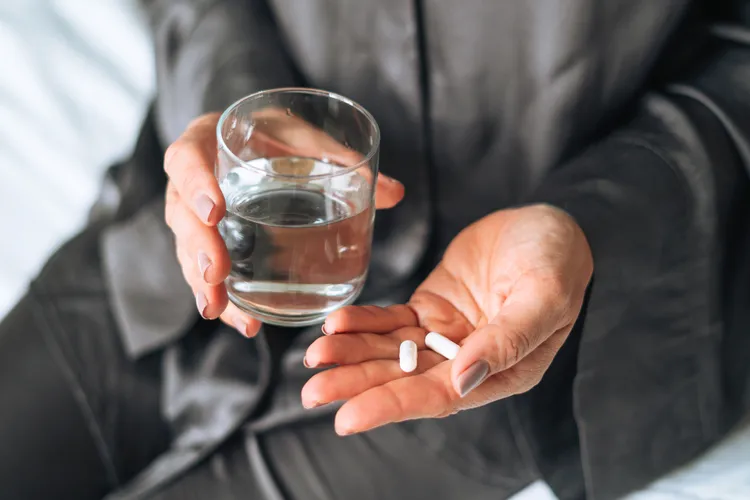
Whole food sources include oysters, red meat, poultry, beans, nuts, seeds, and whole grains. If you’re supplementing, choose forms like zinc picolinate or zinc citrate, which are well absorbed. Take zinc with food to reduce stomach upset, and avoid taking it at the same time as calcium or iron supplements, which can compete for absorption.
At GO Microdose, we offer high-quality zinc supplements alongside other recovery-focused options like magnesium and shilajit, which work synergistically to support energy, immunity, and hormonal health.
Combining zinc with other recovery strategies
Zinc works best as part of a broader recovery approach. Pair adequate zinc intake with quality sleep, balanced nutrition, and stress management. Magnesium supports muscle relaxation and sleep quality, while shilajit provides trace minerals and fulvic acid that enhance nutrient absorption and energy production.
For shift workers, prioritising consistent meal timing and light exposure can help stabilise circadian rhythm, making your body more responsive to the benefits of zinc. For athletes, timing zinc intake around training, especially post-workout, may support faster muscle repair and immune recovery.
Consider exploring our full range of supplements and functional mushrooms to build a personalised recovery stack that fits your routine and goals.
Frequently asked questions
Can I take zinc every day?
Yes, daily zinc supplementation is safe for most people when kept within recommended limits (15 to 30 mg for active adults, up to 40 mg maximum). Take it with food to avoid nausea and monitor for signs of excess, like metallic taste or digestive upset.
Does zinc help with muscle soreness?
Zinc supports muscle protein synthesis and reduces inflammation, which can help shorten recovery time and reduce soreness. It works best alongside adequate protein intake, hydration, and rest.
Should shift workers take zinc in the morning or evening?
Timing is flexible, but taking zinc with your largest meal can improve absorption and reduce stomach discomfort. Some shift workers prefer evening intake to support overnight tissue repair and immune function.
Can zinc interfere with other supplements?
Yes. Zinc competes with copper, iron, and calcium for absorption. If you take multiple supplements, space them out by a few hours or take zinc with a meal that doesn’t include high doses of these minerals.
How long does it take to notice benefits from zinc supplementation?
Mild deficiency symptoms like fatigue or frequent colds may improve within two to four weeks. Hormonal and tissue repair benefits build over several months with consistent intake.
Can I get enough zinc from food alone?
Many people can, especially if they eat animal products regularly. However, athletes, shift workers, vegetarians, and those under chronic stress often benefit from supplementation to maintain optimal levels.
Conclusion
Zinc and recovery are inseparable for anyone pushing their body through intense training or navigating the stress of shift work. By supporting immunity, hormone balance, and tissue repair, zinc helps you bounce back faster and stay resilient. Explore our range of supplements to build a recovery routine that works for your lifestyle.