- Written on
- 7 min. reading time

Psilocybin tolerance develops rapidly after a single dose, often within hours, and can reduce effects by 50% or more if you trip again the next day. The good news: tolerance also resets quickly. Most users regain full sensitivity within 7 to 14 days, with noticeable recovery starting after just 3 to 5 days. Understanding how tolerance works helps you space your sessions properly and get the most from each experience.
What is psilocybin tolerance and why does it happen?
When you consume psilocybin, it binds to serotonin receptors in your brain, particularly the 5-HT2A receptor. This binding produces the psychedelic effects you experience during a trip. After exposure, these receptors temporarily downregulate, meaning they become less responsive to further stimulation.
This is your body’s natural protective mechanism. The downregulation happens quickly, often within a few hours of your dose, and creates what we call acute tolerance. If you take the same dose again the following day, you might feel only a fraction of the original intensity, or nothing at all.
The speed and degree of tolerance can vary between individuals, but the pattern is consistent: frequent use reduces effects dramatically, while proper spacing preserves the full experience.
How quickly does tolerance build after a trip?
Tolerance begins forming within hours of ingestion. By the next day, your sensitivity is already reduced by roughly 50%. If you continue dosing daily, effects diminish further until they become almost imperceptible, even at higher doses.
This pattern has been observed in both research settings and anecdotal reports from recreational users. The tolerance curve is steep at first, then plateaus after a few consecutive days. Your body essentially adapts to the presence of psilocybin and stops responding as strongly.
How long does it take for psilocybin tolerance to reset?
Most users find that tolerance resets to baseline within 7 to 14 days. After a week, the majority of receptor sensitivity has returned, though some prefer to wait a full two weeks to ensure complete recovery.
If you wait just 3 to 5 days, you will notice partial recovery, meaning your next trip will be stronger than if you dosed immediately, but still not as intense as if you waited longer. For those planning multiple sessions, spacing them 10 to 14 days apart is the standard recommendation for consistent, full-strength experiences.
Some experienced users report that even after two weeks, back-to-back trips over several weeks can lead to a subtle cumulative tolerance. Taking a full month between sessions, or spacing trips even further apart, helps preserve the novelty and intensity over time.
What is cross-tolerance and which substances does it affect?
Cross-tolerance occurs when using one substance reduces your sensitivity to another. Psilocybin has significant cross-tolerance with other classic psychedelics that act on the same serotonin receptors, including:
- LSD: Almost complete cross-tolerance. If you take psilocybin today, LSD tomorrow will be significantly weaker, and vice versa.
- Mescaline: Strong cross-tolerance due to similar receptor activity.
- DMT: Moderate cross-tolerance. DMT tolerance resets faster, but recent psilocybin use can still reduce its effects.
Substances like MDMA, ketamine, and cannabis work through different mechanisms and do not share meaningful cross-tolerance with psilocybin. You can use them without affecting your sensitivity to magic truffles, though combining substances always carries additional risks and should be approached with care.
If you are planning a festival or retreat with multiple psychedelic experiences, consider the order and spacing carefully. Alternating between substance classes (e.g., psilocybin one weekend, MDMA the next) avoids cross-tolerance issues better than repeating the same compound.
Why waiting between trips improves the experience
Beyond simple receptor recovery, there are psychological and integration benefits to spacing your sessions. Psilocybin experiences often bring up insights, emotions, or perspectives that take time to process. Rushing into another trip before you have digested the last one can feel overwhelming or leave you without a clear sense of what you gained.
Many experienced users describe a natural rhythm: a powerful trip, followed by weeks or months of reflection and integration, then a readiness to go deeper again. This rhythm respects both your neurochemistry and your mental space.
Frequent, closely spaced trips also risk diminishing the sense of occasion. When you treat each session as a special, intentional event rather than a casual habit, the experience tends to feel more meaningful and impactful.
Does microdosing affect tolerance for recreational trips?
Microdosing does build some tolerance, but the effect is much smaller than with full recreational doses. A typical microdose of fresh truffles is around 0.5 grams, far below the 10 to 15 grams used for a moderate to strong trip.
If you follow a standard microdosing protocol (such as one day on, two days off), the sub-perceptual doses create minimal receptor downregulation. Most microdosers report they can still enjoy a full recreational experience without extended breaks, though some prefer to pause their protocol for a few days before a planned trip to ensure maximum sensitivity.
If you microdose daily for weeks without breaks, you may notice a slight reduction in sensitivity. This is one reason microdose tolerance resets are recommended every 4 to 8 weeks. A short break refreshes your system and keeps both microdoses and occasional higher doses effective.
Practical tips for managing tolerance between sessions
If you are planning multiple trips, here are some strategies to maintain consistent effects:
- Wait at least 7 days between sessions, ideally 10 to 14.
- Track your doses and timing in a journal or app. Patterns become clearer over time.
- Avoid ‘chasing’ a previous experience by dosing again too soon. If a trip felt underwhelming, check your timing and set-and-setting before increasing dose.
- Respect cross-tolerance. If you take LSD on Saturday, do not expect strong effects from truffles the following weekend.
- Plan intentionally. Spacing trips naturally around meaningful occasions or personal milestones can help you maintain a healthy rhythm.
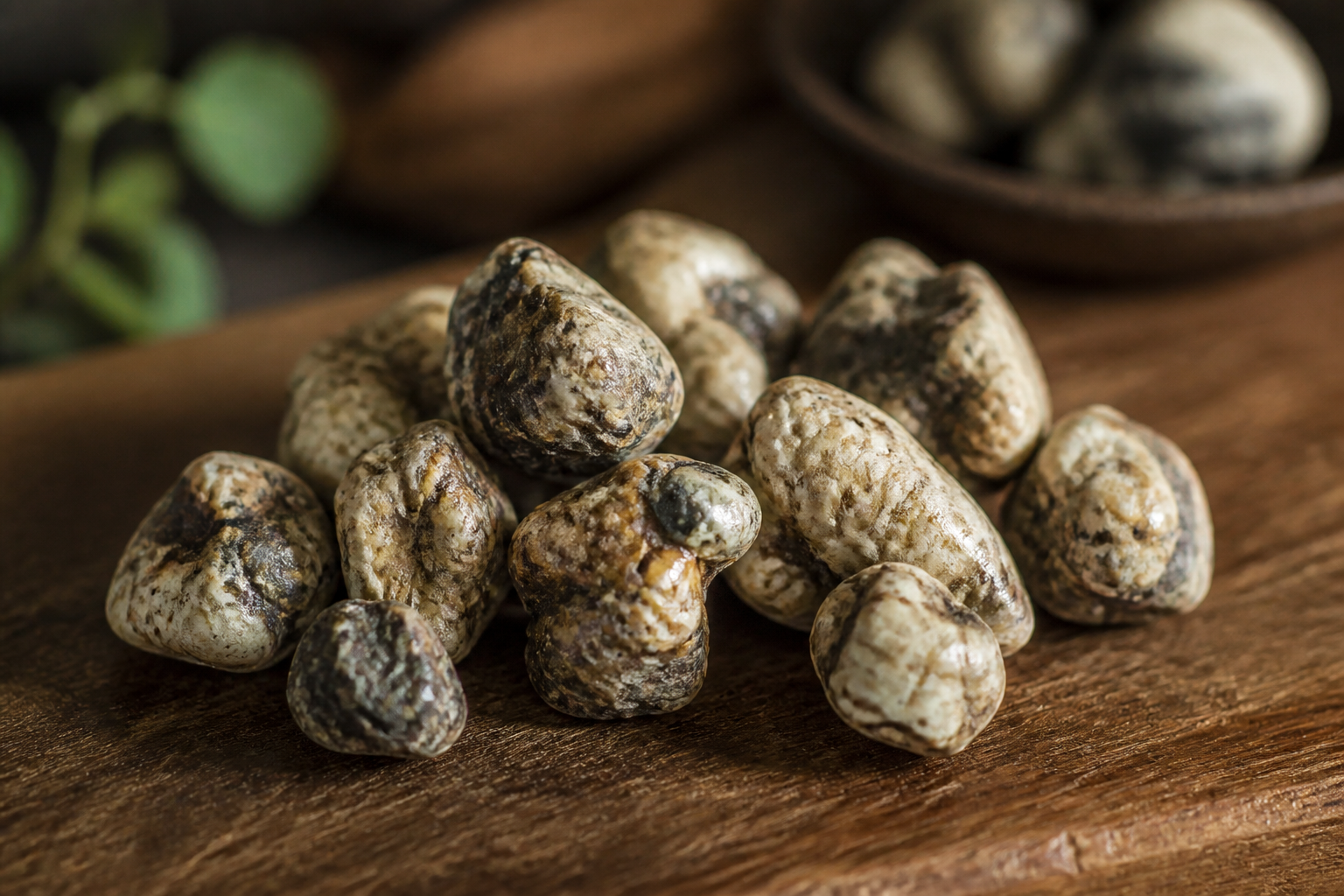
Our range of fresh psilocybin truffles includes options from gentle beginner strains like Pajaritos to the highly potent Utopia, so you can choose the right intensity for each session without needing to compensate for tolerance with higher doses.
What happens if you ignore tolerance and dose too soon?
Dosing again before tolerance resets typically results in a weaker, shorter, or entirely absent experience. Some users report feeling only mild physical effects like nausea or restlessness, with little to no psychedelic headspace or visuals.
Increasing the dose to overcome tolerance is not recommended. It wastes product, increases physical discomfort, and can lead to unpredictable effects as your body chemistry shifts. The smarter approach is patience: wait the recommended time, and your next trip will deliver the full experience you are looking for.
There is also a risk of psychological habituation. Using psilocybin too frequently can turn a powerful tool into a dull routine, reducing both the subjective magic and the potential for meaningful insight.
Frequently asked questions
How long should I wait between psilocybin trips to avoid tolerance?
Most users find that waiting 7 to 14 days between trips allows tolerance to reset fully. A minimum of 5 days provides partial recovery, but 10 to 14 days is ideal for consistent, full-strength experiences.
Does psilocybin tolerance affect LSD or other psychedelics?
Yes. Psilocybin has strong cross-tolerance with LSD, mescaline, and moderate cross-tolerance with DMT. If you take psilocybin, your sensitivity to these substances will be reduced for several days. Substances like MDMA, ketamine, and cannabis do not share this cross-tolerance.
Can I take a higher dose to overcome tolerance?
While technically possible, it is not advisable. Higher doses to compensate for tolerance waste product, increase physical side effects, and produce unpredictable results. Waiting for tolerance to reset naturally is safer and more effective.
Will microdosing fresh truffles prevent me from having a strong recreational trip?
Microdosing builds minimal tolerance if you follow a proper protocol with rest days. Most microdosers can enjoy full recreational trips without issue, though some prefer to pause their protocol for 3 to 5 days beforehand to maximize sensitivity.
How do I know if my weak trip was due to tolerance or something else?
If you dosed within a week of your last trip, tolerance is the likely cause. Other factors include an empty vs. full stomach, truffle potency variation, and your mental state or environment. Keeping a trip journal helps you identify patterns.
Does tolerance to psilocybin ever become permanent?
No. Psilocybin tolerance is temporary and fully reversible. Even after frequent use, a break of two to four weeks will restore full sensitivity. There is no evidence of permanent receptor changes from psilocybin use.
Conclusion
Understanding psilocybin tolerance helps you plan sessions that are safe, effective, and meaningful. By spacing trips 10 to 14 days apart, respecting cross-tolerance with other psychedelics, and giving yourself time to integrate each experience, you preserve both the intensity and the insight that make psilocybin so valuable. Ready to plan your next journey? Explore our full range of fresh truffles and find the strain that suits your intention.