- Written on
- 7 min. reading time

Using reishi as a nightcap offers a calming, alcohol-free way to wind down after a long day. This adaptogenic mushroom, known as the ‘mushroom of immortality’ in traditional Chinese medicine, helps your body manage stress and supports deeper, more restorative sleep. Unlike wine or spirits, reishi won’t disrupt your sleep cycles or leave you foggy the next morning. Instead, it works gently with your body’s natural rhythms to promote genuine relaxation and recovery.
Why swap your evening glass of wine?

Many of us reach for a glass of wine to signal the end of the workday and the start of relaxation time. It’s become a cultural shorthand for unwinding. But alcohol comes with trade-offs that quietly undermine the very rest we’re seeking.
Alcohol might help you fall asleep faster, but it fragments your sleep architecture throughout the night. It suppresses REM sleep during the first half of the night, then causes rebound wakefulness in the early hours. You wake up less rested, even if you slept for eight hours. Over time, regular evening drinking can contribute to dependency patterns, weight gain, inflammation, and increased anxiety during the day.
The growing sober-curious movement recognizes these costs. People aren’t necessarily giving up alcohol entirely, but they’re questioning whether nightly drinking truly serves their wellbeing. That’s where reishi as a nightcap enters the picture: a ritual replacement that supports the relaxation you’re after without the downsides.
What makes reishi the mushroom of immortality?
Reishi (Ganoderma lucidum) has been used in Asian healing traditions for over 2,000 years. Its Chinese name, lingzhi, translates roughly to ‘spiritual potency’ or ‘divine mushroom’. Emperors and monks prized it for promoting longevity, calm, and spiritual clarity.
Modern research has identified several bioactive compounds that explain reishi’s calming effects:
- Triterpenes: these bitter compounds have adaptogenic properties, helping your nervous system regulate stress responses and promoting relaxation without sedation
- Polysaccharides: support immune function and help modulate inflammation, which can interfere with quality sleep
- Peptidoglycans: contribute to reishi’s ability to support deeper sleep stages and morning restoration
Unlike alcohol, which forces your nervous system into a depressed state, reishi works as an adaptogen. It helps your body find balance, supporting calm when you’re wired and resilience when you’re depleted. Our reishi capsules and liquid extract deliver concentrated doses of these bioactive compounds.
How to prepare reishi as a nightcap
The ritual matters almost as much as the substance. Creating an evening routine around reishi gives your brain a consistent signal that it’s time to transition from doing to being.
Reishi tea is the traditional preparation. Use dried reishi slices or powder, simmered in hot water for 20-30 minutes to extract the beneficial compounds. The tea has a slightly bitter, earthy taste that grows on you over time. Add honey, cinnamon, or a splash of oat milk to soften the flavor if you prefer.
Reishi extract offers convenience without sacrificing potency. Mix a dropper of liquid extract or the contents of a capsule into warm water, herbal tea, or golden milk. This method delivers concentrated triterpenes in minutes, perfect for busy evenings when you still want the ritual without the prep time.
Some people combine reishi with other calming herbs like chamomile, passionflower, or lemon balm for a synergistic nightcap blend. If you’re already using magnesium for sleep support, reishi pairs beautifully as part of a broader wind-down routine. Our Calm & Recovery Stack combines reishi with magnesium and microdosing strips for comprehensive stress and sleep support.
What does reishi feel like in the evening?
Don’t expect reishi to hit you like a glass of wine. The effect is gentler and builds over time with consistent use. Most people notice a subtle easing of tension within 30-60 minutes. Your shoulders might drop slightly. Racing thoughts start to quiet. The edge comes off without heaviness or grogginess.
Over days and weeks of regular evening use, many people report falling asleep more easily and waking fewer times during the night. Morning grogginess disappears. Instead of needing coffee to function, you wake feeling genuinely restored. Unlike alcohol, which borrows energy from tomorrow, reishi supports your body’s natural recovery processes.
Some users notice improved stress resilience during the day as well, a common adaptogen effect. When your nervous system gets consistent evening support, it becomes more regulated overall. Reishi doesn’t just help you sleep better; it helps you handle daytime pressure with more balance.
Who benefits most from reishi as a nightcap?
Reishi works particularly well for people whose minds won’t switch off at night. If you lie in bed replaying the day or planning tomorrow, reishi’s gentle anxiolytic effects can help break that loop. It’s also valuable for anyone reducing or eliminating alcohol who wants a replacement ritual that feels ceremonial and intentional.
People dealing with chronic stress often find reishi supportive. By helping regulate cortisol and supporting adrenal function, it addresses one of the root causes of poor sleep. If you wake between 2-4am with your mind racing, that’s often a cortisol regulation issue that reishi can help modulate over time.
Reishi is generally well-tolerated, but it’s not right for everyone. People on immunosuppressant medications should consult their doctor first, as reishi’s immune-modulating effects could interfere. Pregnant and breastfeeding women should avoid reishi due to limited safety data. If you’re on blood thinners, speak with your healthcare provider, as reishi has mild anticoagulant properties.
Building your alcohol-free evening ritual
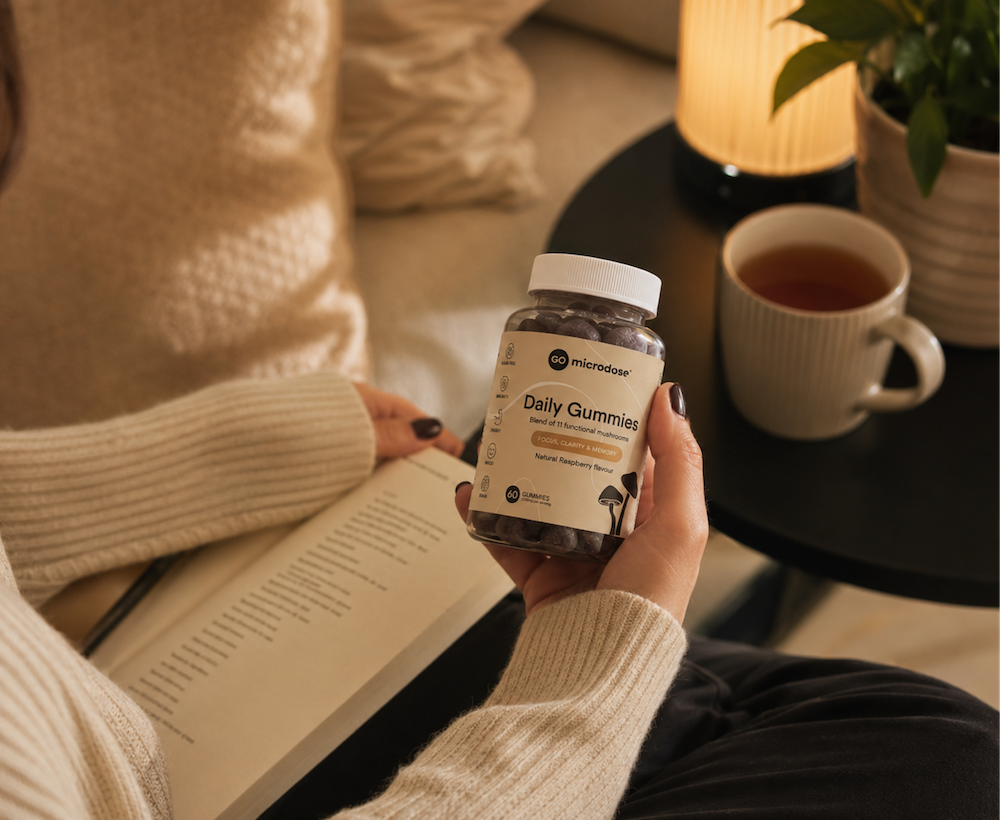
Replacing wine with reishi works best when you preserve the ritual elements that made drinking meaningful in the first place. Use a beautiful mug or teacup. Take time to prepare your nightcap mindfully rather than rushing through it. Sit somewhere comfortable without screens.
Consider pairing your reishi ritual with other wind-down practices: gentle stretching, journaling, reading fiction, or listening to music. The combination creates a stronger signal to your nervous system that the day is done. Over time, these associations become automatic, and your body starts relaxing as soon as you begin the routine.
Many people find that combining reishi with other functional mushrooms creates a more complete wellness practice. Our functional mushroom range includes lion’s mane for daytime focus, cordyceps for energy, and chaga for immune support. Using reishi at night and lion’s mane in the morning creates a rhythm that supports both productivity and recovery.
Some people also incorporate occasional microdosing into their routine for deeper emotional processing and perspective. If you’re curious about that approach, our complete microdosing guide offers evidence-based information to help you decide if it’s right for you.
Frequently asked questions
How long does it take for reishi to work as a nightcap?
You may notice subtle relaxation within 30-60 minutes of taking reishi, but the full sleep-supporting benefits typically build over 2-4 weeks of consistent evening use. Reishi works as an adaptogen, gradually helping your body regulate stress responses rather than forcing immediate sedation like alcohol or sleep medication.
Can I take reishi every night or should I cycle it?
Reishi is safe for daily long-term use and doesn’t require cycling like some supplements. In fact, consistent evening use tends to produce the best results because adaptogenic effects accumulate over time. Many people use reishi as a nightly ritual for months or years without diminishing returns or tolerance issues.
Will reishi make me drowsy in the morning?
No. Unlike alcohol or sedative sleep aids, reishi supports natural sleep architecture without causing morning grogginess. Most people report waking more refreshed and alert after regular reishi use because they’re getting genuinely restorative sleep rather than chemically-induced unconsciousness.
Can I combine reishi with magnesium or melatonin?
Yes, reishi combines well with both. Magnesium and reishi work through different mechanisms and complement each other nicely for sleep support. If you use melatonin, reishi can often help you reduce your melatonin dose over time as your natural sleep regulation improves. Our Calm & Recovery Stack pairs reishi with magnesium specifically for this synergy.
Does reishi interact with alcohol if I occasionally still drink?
Reishi has mild effects on liver enzymes, so it’s best not to take it at the same time as alcohol. If you’re having an occasional drink, skip your reishi that evening or take it several hours apart. For people reducing alcohol consumption, using reishi on non-drinking nights helps establish an alternative ritual that can gradually replace drinking altogether.
What’s the difference between reishi capsules and liquid extract?
Both deliver the same beneficial compounds, but liquid extracts are absorbed slightly faster and work well mixed into evening tea or warm drinks as part of a ritual. Capsules offer precise dosing and convenience if you prefer simplicity. Choose based on whether the preparation ritual matters to you or you want the quickest, most straightforward option.
Conclusion
Using reishi as a nightcap offers a genuine alternative to alcohol that supports rather than undermines your wellbeing. Whether you’re sober-curious, managing stress, or simply wanting better sleep, this ancient mushroom provides a ritual worth building your evening around. Browse our reishi products and discover how the mushroom of immortality can transform your nights and your mornings.