- Written on Modified on
- 7 min. reading time

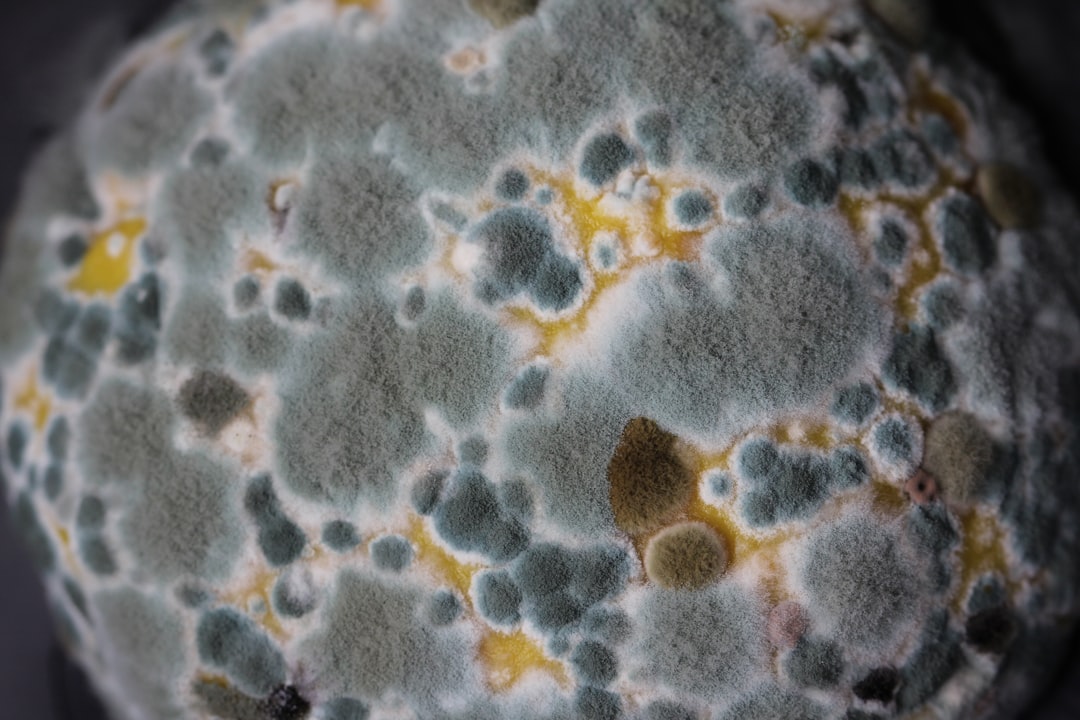
Growkit contamination happens when unwanted bacteria or mold invades your mushroom growing environment. Most contamination shows up as unusual colors (green, black, pink, or orange patches), strange smells, or fuzzy growth that doesn’t look like normal white mycelium. While some contamination means you need to throw the kit away, catching it early can sometimes save your grow. This guide helps worried first-time growers distinguish between healthy growth and real problems.
What does healthy mycelium look like?
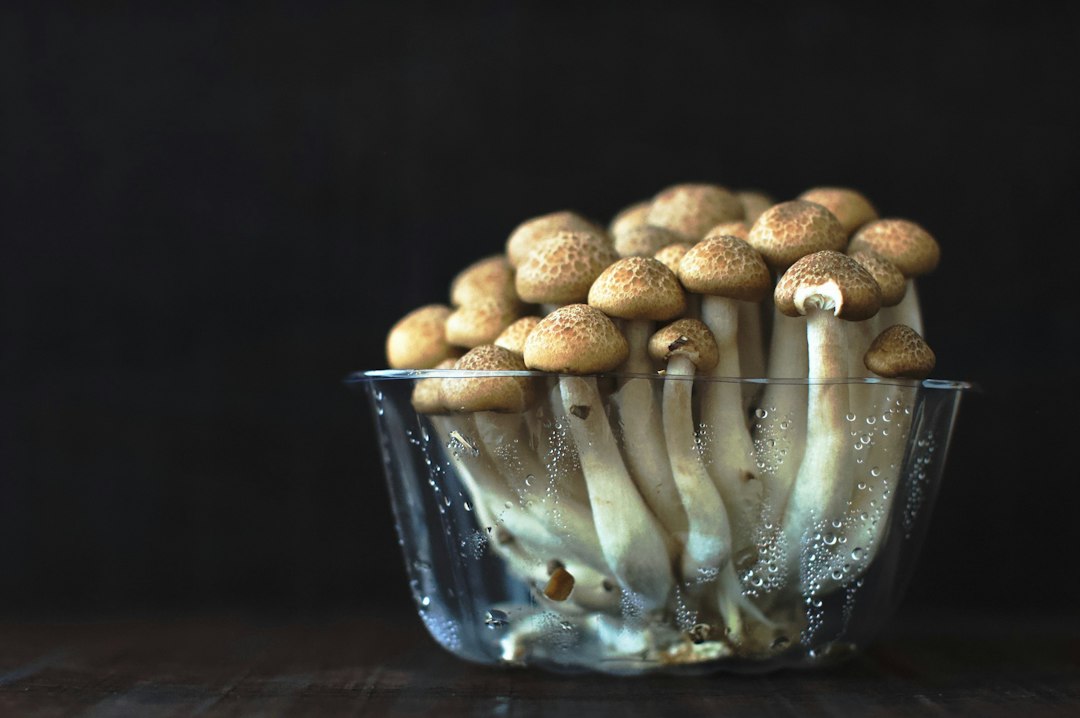
Before you panic about growkit contamination, learn what normal growth looks like. Healthy mycelium appears as bright white, cotton-like threads spreading across your substrate. It might look wispy at first, then become denser over time.
You might notice small water droplets on the mycelium surface. This is completely normal and called ‘metabolites’ or ‘mycelium piss’. These clear to slightly yellow droplets are just the mycelium’s way of regulating moisture. Blue or green bruising can also appear on healthy mycelium when it’s been handled or disturbed, but this isn’t contamination.
The smell should be earthy and mushroom-like, sometimes with a slightly sweet note. If your kit smells like fresh soil after rain, you’re on the right track.
Common types of growkit contamination
Different contaminants have distinct appearances. Here are the most common types you’ll encounter when growing mushrooms at home:
Green mold (Trichoderma)
This is the most common contamination in growkits. Trichoderma starts as white fuzzy growth that looks almost identical to mycelium, which is why it’s so sneaky. Within a few days, it turns bright green as it sporulates. Once you see green, the contamination is already well-established. The green color can range from lime to dark forest green.
Trichoderma spreads incredibly fast and releases spores that can contaminate future grows. If you see green mold, the kit cannot be saved.
Black mold (Aspergillus)
Black mold appears as dark gray to black fuzzy patches. It’s less common than green mold but more dangerous to your health. If you see black mold, don’t open the kit indoors. The spores can cause respiratory issues.
Seal the contaminated kit in a plastic bag immediately and dispose of it outside. Never try to salvage a kit with black mold contamination.
Pink or orange contamination (Bacteria)
Bacterial contamination often appears as pink, orange, or reddish slimy patches. You’ll usually smell it before you see it. A sour, rotten, or distinctly unpleasant smell means bacterial growth.
Bacteria thrive in overly wet conditions. This contamination often results from too much misting or poor air circulation. Once bacteria establish, they spread quickly through the substrate.
Cobweb mold (Dactylium)
Less common but worth knowing. Cobweb mold looks like gray, wispy growth that spreads extremely fast (visible growth within hours). It’s much more delicate and fluffy than healthy mycelium, almost like actual spider webs.
Some growers report success treating very early cobweb mold by spraying with hydrogen peroxide, but success rates are low.
Can you save a contaminated growkit?
The honest answer: usually not. Once you can visually identify most contamination, it has already spread throughout the substrate at a microscopic level. By the time green mold shows color, for example, the entire kit is compromised.
However, there are a few exceptions. If you catch a very small spot of contamination (smaller than a coin) that’s isolated to one corner, you can try these steps:
- Increase fresh air exchange immediately by fanning more often
- Reduce humidity slightly to slow mold growth
- Move the kit to a cooler location if possible (18-21°C is better than warmer)
- Monitor closely every 4-6 hours
If the contamination continues spreading despite these measures, accept that the kit is lost. Trying to grow mushrooms from a contaminated kit can expose you to harmful spores and won’t produce good results.
For reliable growing supplies and fresh kits, check out our full mushroom growing range to start fresh with confidence.
How to prevent growkit contamination
Prevention is infinitely easier than treatment. Most contamination comes from a few common mistakes that first-time growers make.
Wash your hands thoroughly before touching anything related to your growkit. Use soap and water for at least 20 seconds. Many growers also spray their hands with isopropyl alcohol (70% concentration) before working with their kit.
Maintain proper air exchange without introducing contaminants. Your mushrooms need fresh air, but opening the grow bag or tent in a dusty room invites trouble. Fan the kit 2-3 times daily in a clean area, away from open windows or fans that might blow dust around.
Don’t over-mist your kit. This is the most common mistake. Your substrate should be moist but never waterlogged or pooling with water. If you see standing water, you’ve gone too far. Light misting 1-2 times daily is usually sufficient.
Keep the growing area clean but don’t go overboard with chemicals near your kit. Wipe down surfaces with diluted bleach solution (1 part bleach to 10 parts water) before setting up, then rinse thoroughly. Keep pets away from the growing area.
Monitor temperature carefully. Most mushrooms prefer 21-24°C, but contaminants love warmth even more. If your room is consistently above 25°C, contamination risk increases significantly. Find a cooler spot if needed.
When to throw out a contaminated kit
Knowing when to give up saves you time and protects your health. Dispose of your growkit immediately if you see:
- Any amount of green mold that has turned color (not just white fuzzy growth)
- Any black mold whatsoever
- Pink, orange, or red slimy patches accompanied by bad smell
- Contamination covering more than 10% of the visible surface
- Multiple types of contamination appearing at once
- Contamination that returns after you’ve tried recovery steps
To safely dispose of contaminated kits, seal them completely in a plastic bag before moving them. Take the sealed bag directly outside to your rubbish bin. Don’t open contaminated kits indoors to ‘check one more time’. The spore release can contaminate your entire growing space and future attempts.
After disposing of a contaminated kit, clean your growing area thoroughly before starting fresh. A diluted bleach solution works well for surfaces, followed by a rinse with clean water.
Starting over after contamination
Don’t let one contaminated kit discourage you. Even experienced growers lose kits to contamination occasionally. The key is learning what went wrong and adjusting your technique.
Review your process honestly. Were you misting too much? Was the growing area too warm? Did you skip washing hands before handling the kit? Most growkit contamination traces back to one of these common issues.
When you’re ready to try again, browse our selection of fresh growkits and apply what you’ve learned. Second attempts usually go much more smoothly once you understand proper sterile technique and environmental conditions.
Frequently asked questions
Is blue bruising on my growkit contamination?
No, blue or blue-green bruising is not contamination. This happens when psilocybin-containing mushroom tissue gets damaged or stressed. If the blue appears gradually where you’ve touched the kit or on older mycelium, it’s just bruising. Contamination usually appears as fuzzy growth or distinct colored patches, not flat discoloration.
Can I still eat mushrooms from a slightly contaminated kit?
No, never consume mushrooms grown from a kit with visible contamination. Even if the mushrooms themselves look clean, they’ve been growing in substrate with mold or bacteria. The contaminants can produce toxins that aren’t safe to ingest. It’s not worth the health risk.
How quickly does growkit contamination spread?
This depends on the type. Green mold (Trichoderma) can go from barely visible to covering large areas within 24-48 hours. Cobweb mold spreads even faster, sometimes showing visible growth within hours. Bacterial contamination tends to spread more slowly but produces strong odors. Check your kit at least once daily to catch problems early.
Will contamination in one growkit spread to others nearby?
Yes, absolutely. Molds release millions of microscopic spores into the air when they mature. If you have multiple kits growing in the same space, contamination in one kit poses a serious risk to the others. Always isolate contaminated kits immediately and dispose of them sealed in plastic bags.
Can I bury a contaminated growkit outdoors to salvage it?
You can try, but success rates are very low. Some growers bury contaminated substrate in garden soil hoping outdoor conditions will favor the mushroom mycelium over the contaminants. Occasionally this works, but more often the contamination wins. If you try this method, bury the kit at least 30cm deep and don’t expect results.
What’s the white fuzzy growth on my substrate?
This could be healthy mycelium or the early stage of green mold contamination, as both look identical at first. Healthy mycelium stays white and develops a pleasant earthy smell. Trichoderma mold will turn green within 2-5 days. Watch the fuzzy growth closely and wait for either mushroom pins to form (good sign) or green coloration to appear (contamination confirmed).
Conclusion
Learning to identify growkit contamination takes some practice, but most problems are preventable with clean technique and proper environmental conditions. Stay calm, check your kit regularly, and don’t hesitate to start fresh if contamination takes hold. Every experienced grower has lost kits along the way.