- Written on Modified on
- 8 min. reading time

Lion’s mane for ADHD has gained attention among adults exploring natural focus support, particularly for its bioactive compounds hericenones and erinacines. These molecules appear to stimulate nerve growth factor (NGF) production and may support neurogenesis, the brain’s ability to form new neural connections. While early research is promising, human studies specifically on ADHD remain limited, and lion’s mane should be viewed as a complementary approach rather than a pharmaceutical replacement.
What makes lion's mane relevant for ADHD?

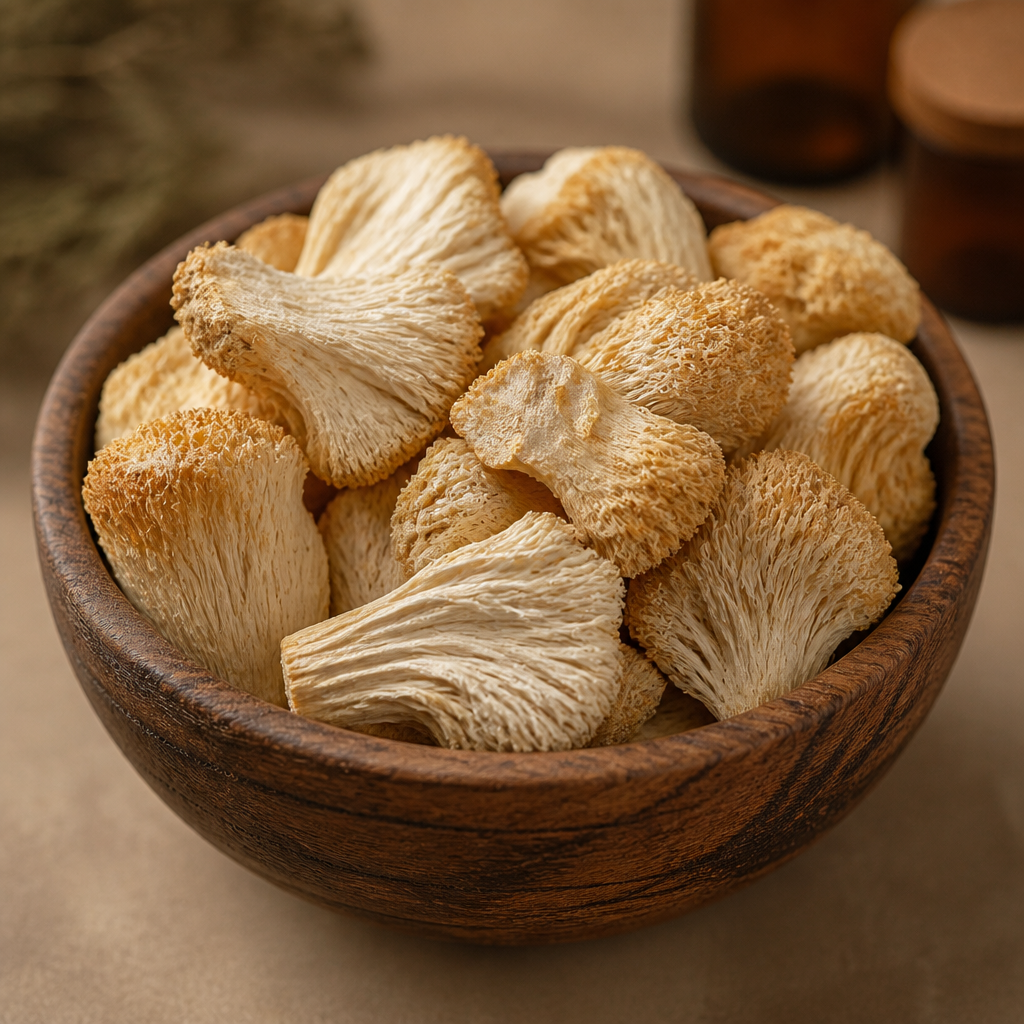
ADHD in adults often involves challenges with sustained attention, working memory, and executive function. These difficulties stem partly from differences in dopamine signalling and prefrontal cortex activity. Lion’s mane (Hericium erinaceus) contains two families of compounds that have caught researchers’ attention: hericenones, found in the mushroom’s fruiting body, and erinacines, concentrated in the mycelium.
Both compound families have demonstrated the ability to cross the blood-brain barrier and stimulate NGF synthesis. NGF is essential for maintaining and regenerating neurons, particularly in brain regions involved in memory and attention. For adults with ADHD, supporting neural plasticity and connectivity could theoretically help compensate for some executive function deficits, though this remains an active area of investigation rather than established fact.
How do hericenones and erinacines work?
Hericenones and erinacines work through different but complementary mechanisms. Hericenones are smaller molecules found primarily in the mushroom’s above-ground fruiting body. They appear to induce NGF gene expression, essentially telling brain cells to produce more of this growth factor. Erinacines, found in the underground mycelium, are diterpenoid compounds that also promote NGF synthesis and have shown neuroprotective properties in animal models.
Research from Japan and Taiwan has demonstrated that erinacine A, one of the most studied compounds, can increase NGF levels in the hippocampus and locus coeruleus, brain regions involved in memory formation and attention regulation. A 2020 study published in Biomedical Research found that erinacine A-enriched mycelium improved cognitive function in older adults with mild cognitive impairment, though this study focused on age-related decline rather than ADHD specifically.
The neurogenesis angle is particularly interesting for ADHD. Adult neurogenesis, the formation of new neurons in the mature brain, occurs primarily in the hippocampus and may influence learning, memory, and emotional regulation. While no studies have directly measured whether lion’s mane for ADHD enhances neurogenesis in humans, animal research suggests it may support this process through NGF-dependent pathways.
What does the research actually show?
The evidence base for lion’s mane and cognitive function comes primarily from three sources: in vitro studies (cell cultures), animal models, and a handful of human trials focused on general cognitive support rather than ADHD specifically.
A 2019 systematic review in the Journal of Restorative Medicine identified several promising animal studies showing improved spatial memory, reduced anxiety, and enhanced hippocampal neurogenesis in mice given lion’s mane extract. Human studies have been smaller but cautiously positive. A 2009 Japanese trial with 50 participants experiencing mild cognitive impairment found that 3 grams daily of lion’s mane fruiting body powder improved cognitive function scores compared to placebo over 16 weeks. Effects diminished after supplementation stopped, suggesting ongoing use may be necessary.
For ADHD specifically, the research gap is significant. No published randomized controlled trials have examined lion’s mane exclusively in adults diagnosed with ADHD. Most evidence is extrapolated from its effects on focus, memory, and anxiety in general populations, alongside the theoretical mechanisms involving NGF and neuroplasticity. This doesn’t mean lion’s mane can’t help with ADHD symptoms, but it does mean we’re working with educated guesses rather than established protocols.
How is lion's mane typically used for focus and attention?
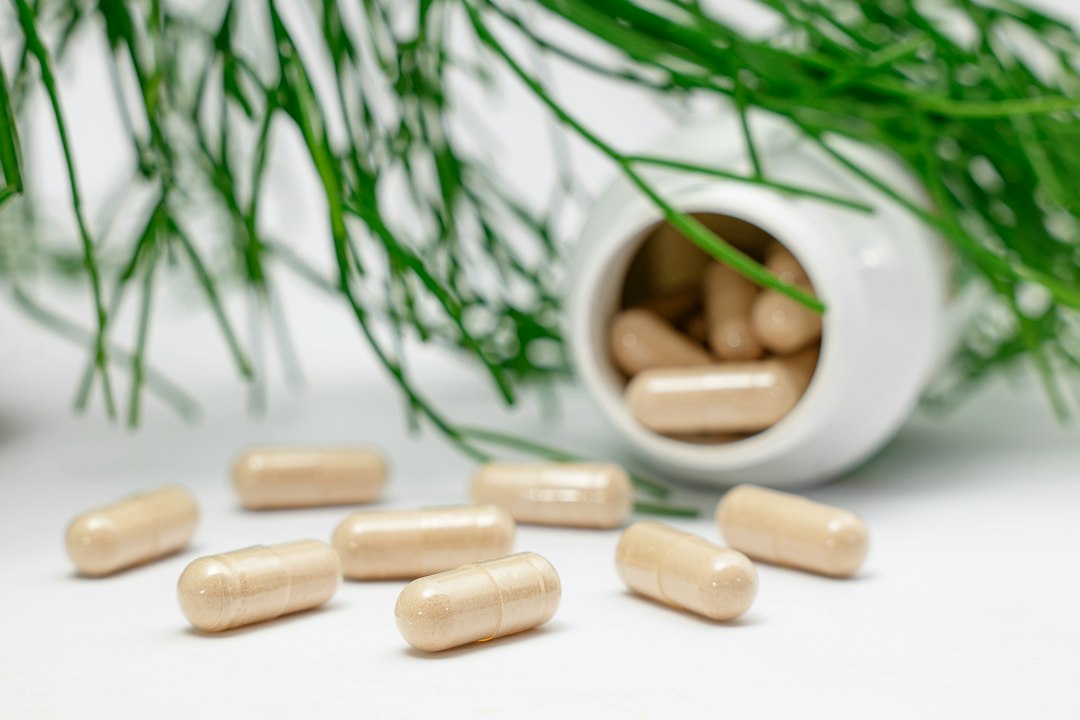
Adults exploring lion’s mane for ADHD symptoms typically use standardized extracts in capsule or liquid form. Dosing in human studies has ranged from 750 mg to 3 grams daily, usually split into two or three doses. Many products specify the concentration of hericenones and erinacines, with quality extracts containing at least 20-30% polysaccharides and measurable amounts of the active compounds.
Effects are not immediate. Most users report noticing changes after 2-4 weeks of consistent daily use, which aligns with the time frame needed for NGF-mediated neural changes. Some people describe improved ability to sustain attention on boring tasks, clearer thinking during complex work, or reduced mental fatigue by afternoon. These reports are subjective and influenced by placebo effects, but they’re common enough to warrant attention.
Our Lion’s Mane capsules contain standardized extract from both fruiting body and mycelium, providing a source of both hericenones and erinacines. Some users combine lion’s mane with other approaches like omega-3s, exercise, or cognitive behavioural strategies for ADHD, treating it as one tool in a broader toolkit rather than a standalone solution.
Can you combine lion's mane with ADHD medication?
Lion’s mane does not appear to interact with stimulant medications like methylphenidate or amphetamine-based ADHD treatments, as it works through completely different mechanisms. Stimulants increase dopamine and norepinephrine availability in synaptic spaces, while lion’s mane influences nerve growth factor pathways and neural structure over weeks to months.
That said, always inform your prescribing doctor before adding any supplement, particularly if you’re on medication. Some adults use lion’s mane to address aspects of ADHD that medication doesn’t fully cover, such as creative thinking, verbal fluency, or stress resilience. Others explore it during medication breaks or as part of reducing pharmaceutical reliance, though this should only be done under medical supervision.
Lion’s mane may combine well with microdosing psilocybin, another approach some adults with ADHD explore for focus and emotional regulation. The Paul Stamets stack specifically combines psilocybin microdoses with lion’s mane and niacin, based on the theory that lion’s mane’s neurogenic properties may complement psilocybin’s effects on neural plasticity.
What are the limitations and realistic expectations?
Lion’s mane is not a magic bullet for ADHD. The compound evidence is intriguing, but human trials specifically measuring ADHD symptoms don’t yet exist. What we have are plausible biological mechanisms, positive results in related areas like mild cognitive impairment and anxiety, and abundant anecdotal reports from the ADHD community.
Response varies significantly between individuals. Some people notice meaningful improvements in sustained attention and mental clarity, while others detect no difference. Factors like baseline diet, sleep quality, stress levels, and ADHD subtype likely influence outcomes. Lion’s mane also requires consistency, it’s not an on-demand solution like a stimulant medication.
Quality matters enormously. Many commercial lion’s mane products contain minimal amounts of the active compounds, particularly erinacines which are expensive to extract from mycelium. Look for products that specify hericenone and erinacine content or at minimum guarantee dual-extraction methods that preserve both water-soluble polysaccharides and alcohol-soluble terpenoids.
For adults considering lion’s mane for ADHD, it’s best approached as a complementary strategy alongside proven interventions like behavioural techniques, exercise, sleep optimization, and where appropriate, medication. View it as support for your brain’s underlying health rather than a direct symptom suppressor.
Who might benefit most from trying lion's mane?
Lion’s mane may be worth exploring if you’re an adult with ADHD who experiences:
- Mental fog or word-finding difficulties that go beyond typical ADHD distraction
- Medication side effects you’re trying to minimize or can’t tolerate stimulants
- Partial response to current treatment and openness to complementary approaches
- Interest in long-term brain health alongside immediate symptom management
It’s generally considered safe with few reported side effects, though some users report mild digestive upset initially or skin sensitivity in rare cases. Pregnant or breastfeeding individuals should avoid it due to lack of safety data.
If you’re new to functional mushrooms, starting with a quality lion’s mane extract for 4-6 weeks gives a fair trial period to assess whether you notice changes. Keep notes on focus, mental stamina, and mood to evaluate objectively rather than relying on impressions. Our full range of functional mushrooms includes options for different needs, with lion’s mane being particularly relevant for cognitive support.
Frequently asked questions
How long does it take for lion’s mane to work for ADHD symptoms?
Most people report noticing subtle changes after 2-4 weeks of daily use, with more pronounced effects sometimes emerging after 6-8 weeks. This delayed timeline reflects the gradual nature of NGF-mediated neural changes rather than immediate neurotransmitter effects. Consistent daily dosing is essential, it doesn’t work on an as-needed basis like stimulant medication.
What dosage of lion’s mane is used for focus and attention?
Human studies have used 750 mg to 3 grams daily of lion’s mane extract, typically split into morning and afternoon doses. For standardized extracts, 500-1000 mg twice daily is a common starting point. Look for products specifying hericenone and erinacine content to ensure you’re getting the active compounds associated with neurogenesis research.
Can lion’s mane replace ADHD medication?
Lion’s mane should not be viewed as a replacement for prescribed ADHD medication, particularly for those whose symptoms significantly impair function. It works through completely different mechanisms and timescales compared to stimulants. Some adults use it as a complementary support alongside medication, or explore it during medication holidays, but these decisions should involve your prescribing doctor.
Are there any side effects of taking lion’s mane for ADHD?
Lion’s mane is generally well-tolerated with few reported side effects. Some users experience mild digestive upset initially, which often resolves with continued use or taking it with food. Rare cases of skin itching or respiratory sensitivity have been reported, likely related to mushroom allergies. If you have existing mushroom allergies, avoid lion’s mane or start with very small amounts under medical guidance.
Does lion’s mane work better with psilocybin for ADHD?
Some adults with ADHD combine lion’s mane with psilocybin microdosing based on the theory that both support neuroplasticity through complementary mechanisms. The Paul Stamets protocol specifically pairs them with niacin for enhanced neural benefit. While this combination has strong anecdotal support, no controlled studies have examined it specifically for ADHD, so approach it as an experimental self-optimization strategy rather than evidence-based treatment.
Should I choose lion’s mane capsules or liquid extract?
Both forms can be effective if they contain adequate amounts of hericenones and erinacines. Liquid extracts may offer slightly better bioavailability and faster absorption, while capsules provide precise dosing and convenience. Choose based on your preference for routine, both require consistent daily use over weeks to months for cognitive effects to develop.
Final thoughts on lion's mane for adult ADHD
The research on hericenones, erinacines, and neurogenesis provides a compelling biological rationale for why lion’s mane for ADHD might offer real benefits, even as we await specific clinical trials. For adults seeking natural approaches to support focus, memory, and executive function, lion’s mane represents a safe, well-tolerated option worth exploring as part of a broader strategy. Browse our complete range to find quality lion’s mane and other functional mushroom products designed to support cognitive wellness.