- Written on
- 7 min. reading time

A winter immunity stack combining zinc, vitamin D and mushroom beta-glucans offers a targeted, evidence-based approach to seasonal wellness across European climates. These three ingredients address the most common immune vulnerabilities during cold months: zinc supports frontline immune cell function, vitamin D compensates for reduced sunlight exposure, and beta-glucans from functional mushrooms like chaga and reishi activate innate immunity. Together, they create a synergistic foundation that goes beyond single-nutrient supplementation.
Why winter demands a different immune approach

European winters bring unique challenges to immune function. Reduced daylight hours dramatically lower vitamin D synthesis, while indoor heating and close-quarter living increase pathogen exposure. Cold air also dries mucous membranes, weakening the body’s first line of defence.
Rather than waiting until symptoms appear, building a winter immunity stack in advance primes your system for seasonal stressors. This proactive approach gives your immune cells the raw materials and activation signals they need before demand peaks.
The combination of zinc, vitamin D and mushroom beta-glucans targets three distinct immune pathways, creating redundancy and resilience rather than over-relying on a single mechanism.
Zinc: the frontline mineral for immune response
Zinc is required for the development and function of neutrophils, natural killer cells and T-lymphocytes. Even mild deficiency impairs these immune cells’ ability to respond to threats. European diets often fall short, particularly for those reducing meat intake or managing digestive conditions that impair absorption.
Bisglycinate forms of zinc offer superior absorption compared to oxide or sulfate forms, with minimal gastric discomfort. Our zinc bisglycinate 25mg provides an optimal daily dose without approaching upper tolerable limits.
Timing matters: Take zinc with food to reduce nausea, but avoid calcium-rich meals which can compete for absorption. Evening dosing works well for most people and keeps the supplement routine separate from morning vitamin D.
Vitamin D: compensating for northern latitudes
Between October and March, UV-B radiation across most of Europe is insufficient to stimulate meaningful vitamin D synthesis, even on sunny days. Vitamin D receptors are present on immune cells including B cells, T cells and antigen-presenting cells, and the active form of the vitamin modulates both innate and adaptive immunity.
Low vitamin D status is associated with increased susceptibility to respiratory infections, a pattern particularly pronounced in winter months. Supplementation during this window compensates for the seasonal deficit.
Dosing guidance: Most adults benefit from 1,000 to 2,000 IU daily during winter. Those with confirmed deficiency (serum levels below 50 nmol/L) may require higher therapeutic doses under professional guidance. Vitamin D is fat-soluble, so take it with a meal containing fats for optimal absorption.
Mushroom beta-glucans: immune training from functional fungi
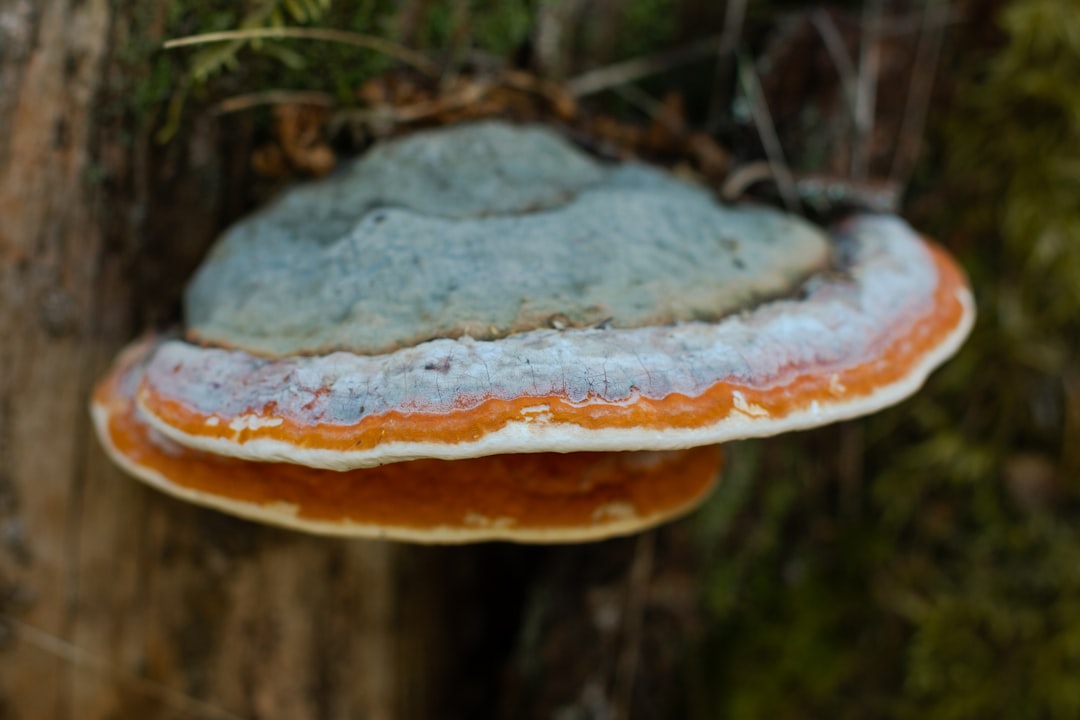
Beta-glucans are polysaccharides found in the cell walls of mushrooms like chaga and reishi. They bind to specific receptors on macrophages and dendritic cells, priming these immune sentinels to respond more rapidly to pathogens without causing chronic activation or inflammation.
This immune-modulating effect is distinct from simple immune stimulation. Beta-glucans enhance surveillance and reactivity, but they do not overstimulate or exhaust immune resources. This makes them suitable for daily, long-term use throughout winter.
Chaga is particularly rich in beta-glucans and also provides melanin and antioxidant compounds. Reishi adds triterpenes that support stress resilience and sleep quality, both of which indirectly support immune function. You can find both in our functional mushroom range, available as capsules or liquid extracts.
How to build your winter immunity stack
Start your winter immunity stack in early autumn, ideally late September or early October, before cold-season pressure builds. Consistency matters more than perfect timing.
Sample daily routine:
- Morning: Vitamin D 1,000-2,000 IU with breakfast (include fats like eggs, avocado or nut butter)
- Morning or midday: Chaga capsules or liquid (follow product dosing, typically 1-2 capsules or 1 ml extract)
- Evening with dinner: Zinc bisglycinate 25mg
- Evening: Reishi capsules or liquid (1-2 capsules or 1 ml), particularly if sleep quality is a concern
This structure spreads absorption throughout the day and aligns with natural circadian patterns. If you are also microdosing, there are no contraindications with fresh psilocybin truffles. For more on integrating microdosing into wellness routines, see our complete microdosing guide.
Synergy and what the research shows
While each component of a winter immunity stack has independent evidence, the real value lies in their complementary mechanisms. Zinc supports enzyme function and cell signalling. Vitamin D regulates gene expression in immune cells. Beta-glucans provide pattern-recognition training to innate immunity.
Research on combination approaches is still emerging, but the principle is sound: immune resilience depends on multiple systems working in concert, not a single magic bullet. Stacking addresses nutritional gaps, seasonal deficits and immune priming simultaneously.
One caution: high-dose zinc (above 40mg daily for extended periods) can interfere with copper absorption. Stick to the 25mg range unless supervised, and consider a brief break every few months if using the stack year-round.
Who benefits most from a winter immunity stack?
This stack suits health-conscious adults in European climates who want to be proactive rather than reactive during cold months. It is particularly relevant for:
- Those with recurrent winter colds or prolonged recovery times
- People working in high-exposure environments (healthcare, education, public transport)
- Anyone with limited sun exposure or confirmed vitamin D insufficiency
- Individuals managing stress or sleep disruption, both of which compromise immunity
If you are managing a chronic condition, on medication, pregnant or breastfeeding, consult a healthcare professional before starting any new supplement routine. This is foundational advice, not a replacement for medical care.
What else supports winter immune health?
Supplements are one part of a broader picture. Sleep, movement, stress management and whole-food nutrition remain the non-negotiables. No stack compensates for chronic sleep deprivation or a diet devoid of vegetables.
If stress resilience is a priority, consider adding ashwagandha KSM-66 to your evening routine. Adaptogenic support for the HPA axis indirectly benefits immune tone by reducing cortisol-driven immune suppression. For guidance on cycling ashwagandha, see our article on ashwagandha and cycling breaks.
Hydration, sauna use and nasal rinsing also support mucosal immunity and are simple, low-cost additions to any winter protocol.
Frequently asked questions
Can I take zinc and vitamin D together at the same time?
Yes, there is no interaction between zinc and vitamin D that would prevent co-administration. However, spreading them across morning and evening can improve absorption and reduce the chance of gastric discomfort from zinc.
How long does it take for a winter immunity stack to work?
Vitamin D levels typically improve within 4 to 6 weeks of daily supplementation. Zinc and beta-glucans exert effects more quickly, often within days to two weeks, but cumulative benefits build over consistent use throughout the season.
Should I continue the stack into spring?
You can taper vitamin D as UV-B exposure increases from April onwards, particularly if you spend time outdoors. Zinc and mushroom beta-glucans can be continued year-round or cycled depending on your health goals and diet.
Are there any side effects to watch for?
Zinc can cause nausea if taken on an empty stomach; always take it with food. High-dose vitamin D (above 4,000 IU daily for prolonged periods) should be monitored via blood tests. Mushroom extracts are generally well-tolerated, though some people report mild digestive changes in the first few days.
Can I combine this stack with microdosing psilocybin truffles?
Yes, there are no known contraindications between fresh psilocybin truffles and zinc, vitamin D or mushroom beta-glucans. Many people integrate both practices as part of a holistic wellness routine. If you are new to microdosing, our starter pack includes everything you need to begin safely.
Do I need to take breaks from mushroom beta-glucans?
Current evidence supports continuous use of beta-glucan-rich mushrooms like chaga and reishi without the need for cycling. Unlike stimulants or some adaptogens, beta-glucans do not cause tolerance or receptor downregulation.
Final thoughts
A well-designed winter immunity stack using zinc, vitamin D and mushroom beta-glucans offers a practical, evidence-informed way to support your body through European cold months. Start early, stay consistent and pair supplementation with foundational lifestyle practices for the best results. Explore our full range of health supplements and functional mushrooms to build the stack that works for you.