- Written on
- 5 min. reading time

If you spend any time on health and fitness social media, you’ve probably seen shilajit positioned as a miracle supplement for men over 40. The claims are bold: massive testosterone boosts, renewed energy, enhanced recovery, even anti-aging properties. But what does the actual research say, once you strip away the marketing hype?
Let’s look at what we know, what we don’t, and whether shilajit deserves a place in your supplement routine.
What shilajit actually is

Shilajit is a sticky, tar-like resin that oozes from rocks in high-altitude mountain ranges, particularly the Himalayas. It forms over centuries from the slow decomposition of plant matter and minerals. Traditional Ayurvedic medicine has used it for thousands of years as a rejuvenating compound.
The active components include fulvic acid (which may enhance nutrient absorption), dibenzo-alpha-pyrones (antioxidant compounds), and over 80 trace minerals. The concentration of these compounds varies significantly depending on source and processing, which is why quality matters enormously with shilajit products.
The testosterone claim: what studies actually found
The most frequently cited study for shilajit’s testosterone effects comes from a 2015 clinical trial published in Andrologia. Researchers gave 96 men aged 45-55 either 250mg of purified shilajit or placebo twice daily for 90 consecutive days.
The results: total testosterone increased by around 20% in the shilajit group compared to baseline. Free testosterone (the biologically active form) also increased significantly. These are genuine findings from a peer-reviewed study.
But context matters. First, the baseline testosterone levels weren’t reported in detail, so we don’t know if participants started with low or normal levels. Second, a 20% increase sounds dramatic, but for someone with already normal testosterone, this might move the needle from, say, 500 ng/dL to 600 ng/dL. That’s measurable, but not the transformation often implied in marketing.
Third, this is essentially one study. In the hierarchy of evidence, we’d want to see these results replicated in larger populations before drawing firm conclusions. The study is promising, not definitive.
Energy and mitochondrial function: stronger evidence
Where shilajit’s evidence base is actually more compelling is in mitochondrial function and cellular energy. Several animal studies and a few human trials suggest that fulvic acid and related compounds in shilajit may enhance the efficiency of the mitochondrial electron transport chain, essentially helping your cells produce energy (ATP) more effectively.
A 2012 study in the Journal of Ethnopharmacology found that shilajit supplementation improved mitochondrial function markers in rats, and a human study showed reduced fatigue symptoms in people with chronic fatigue syndrome after eight weeks of supplementation.
For men over 40 experiencing the general fatigue that often accompanies aging, this mechanism is potentially more relevant than testosterone alone. Declining energy often has more to do with mitochondrial efficiency than hormone levels, particularly if your testosterone is still within normal range.
Recovery and inflammation markers
Some preliminary research suggests shilajit may influence recovery through its antioxidant properties. The fulvic acid content appears to have genuine antioxidant activity in lab studies, which theoretically could help with post-exercise inflammation and oxidative stress.
However, the human studies here are thin. We have some data showing reduced markers of muscle damage after exercise in small trials, but the effects are modest and the studies are limited in scope. If you’re looking for recovery support, proven strategies like adequate sleep, protein intake, and managing training load matter far more than any supplement.
That said, if you’re already covering the basics and want to experiment with additional support, shilajit’s safety profile makes it a reasonable option to try. You can find quality shilajit products in our supplement range, sourced from reputable suppliers who test for heavy metals and contaminants.
What about cognitive function?
Some animal research suggests shilajit might have neuroprotective properties, possibly through antioxidant mechanisms or by influencing acetylcholine levels. A few small human studies have looked at cognitive outcomes, with mixed but mildly positive results.
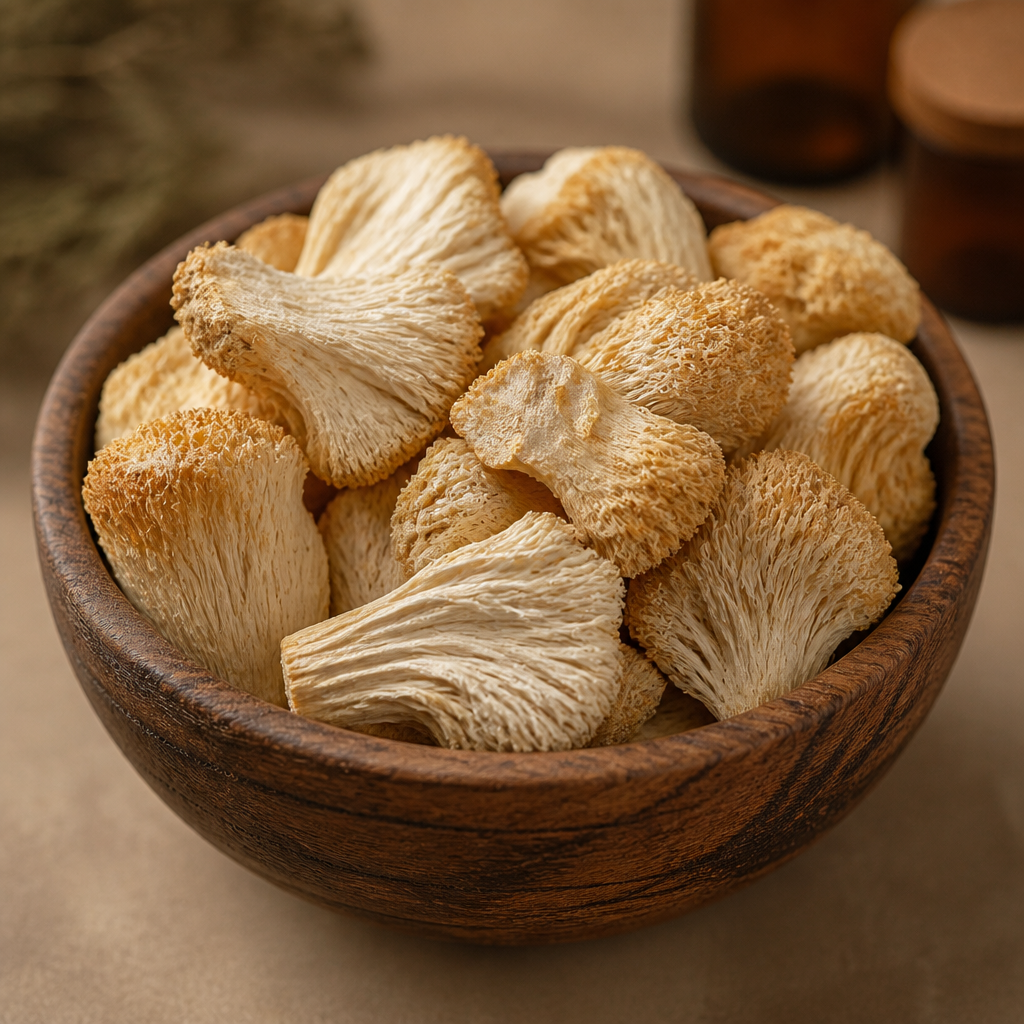
The evidence here is honestly too preliminary to get excited about. If cognitive function is your primary concern, compounds like lion’s mane mushroom have a more substantial research base for supporting mental clarity and focus. Many people find that pairing well-researched nootropics makes more sense than relying on a single compound with limited cognitive data.
Quality and safety considerations
Here’s something that doesn’t get enough attention: shilajit quality varies enormously. Because it’s harvested from rocks and soil, contamination with heavy metals (lead, mercury, arsenic) is a genuine concern. Low-quality or improperly processed shilajit can contain dangerous levels of these toxins.
Always look for products that provide third-party testing certificates showing heavy metal content is within safe limits. Reputable suppliers will make this information readily available. If a shilajit product is suspiciously cheap or doesn’t mention purification methods, that’s a red flag.
In terms of side effects, shilajit appears generally well-tolerated in studied doses (typically 250-500mg daily). Some people report digestive upset initially. If you have any underlying health conditions or take medications, check with your doctor first, particularly if you’re on blood thinners or have hemochromatosis (iron overload disorder).
The practical verdict
So, is shilajit worth trying if you’re a man over 40? Here’s the honest assessment:
The testosterone hype is overblown. Yes, one decent study showed increases, but we need more research, and the real-world impact depends heavily on your starting point. If you have clinically low testosterone, you need proper medical evaluation and treatment, not a supplement.
The energy and mitochondrial support angle has more substance. If you’re experiencing age-related fatigue and have ruled out obvious causes (poor sleep, inadequate nutrition, underlying health issues), shilajit’s mechanism of action makes biological sense and has some backing.
It’s not a magic bullet. No supplement is. The fundamentals matter infinitely more: sleep quality, stress management, regular movement, whole food nutrition. Shilajit might offer a modest edge on top of a solid foundation, but it won’t compensate for neglecting the basics.
If you decide to try it, invest in quality. Look for purified, tested products from transparent suppliers. Give it at least 8-12 weeks to assess effects, since the studies showing benefits used that timeframe. And pay attention to how you actually feel, rather than chasing lab numbers.
For many men over 40, a well-rounded approach that includes traditional supplements with stronger evidence bases, like magnesium for sleep and recovery, alongside lifestyle fundamentals, will likely deliver more noticeable results than any single “miracle” compound. But if you’ve got those bases covered and want to experiment with something that has at least some research support, shilajit is a reasonable option to explore.