- Written on Modified on
- 6 min. reading time

The debate around psilocybin truffles vs nootropics is reshaping the UK biohacking scene. While synthetic nootropics like modafinil and racetams once dominated cognitive enhancement circles, a growing number of British biohackers are turning to fresh psilocybin truffles for microdosing instead. This shift reflects both frustration with synthetic stacks and curiosity about nature-derived alternatives that work with the brain’s existing systems rather than forcing short-term cognitive spikes.
What is driving the shift from nootropics to psilocybin?

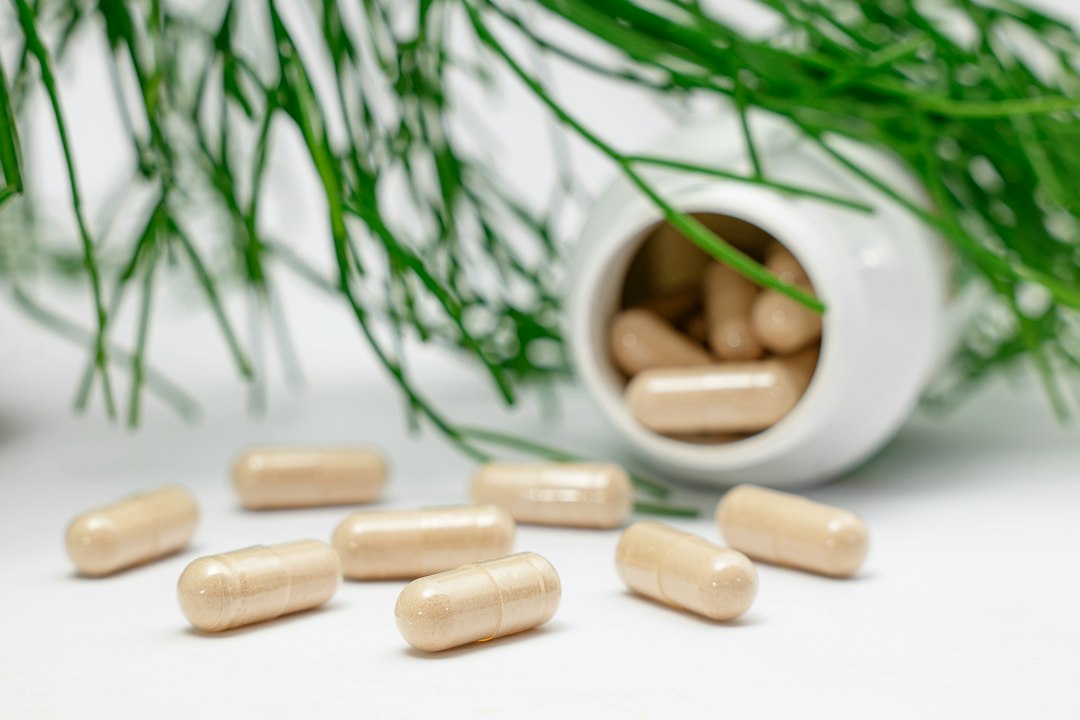
The classic nootropic stack promised focus, memory, and mental clarity through substances like piracetam, aniracetam, and alpha-GPC. But after years of experimentation, many UK biohackers report diminishing returns, tolerance build-up, and a growing list of side effects including headaches, irritability, and sleep disruption.
Psilocybin microdosing offers a different mechanism entirely. Rather than flooding receptors with synthetic compounds, psilocybin interacts with serotonin 2A receptors to promote neuroplasticity and enhance cognitive flexibility. Users report sustained improvements in creativity, problem-solving, and emotional regulation without the jittery overstimulation common to stimulant-based nootropics.
The cultural context matters too. UK biohackers increasingly value sustainability and sourcing transparency. Fresh psilocybin truffles from regulated European suppliers feel more aligned with whole-systems thinking than importing synthetic compounds from unregulated overseas labs.
How do psilocybin truffles vs nootropics compare for focus and productivity?
Nootropics typically work through direct stimulation or neurotransmitter manipulation. Modafinil, for example, increases dopamine availability to promote wakefulness and concentration. The effect is immediate and measurable, but often comes with a crash, dependency risk, or diminished response over time.
Psilocybin microdosing works more subtly. A typical microdose of around 0.5 grams of fresh truffles does not produce an immediate cognitive ‘kick. Instead, users report improved mood baseline, reduced mental rigidity, and enhanced lateral thinking over days and weeks. The complete microdosing guide outlines how sub-perceptual doses encourage neurogenesis and dendritic growth rather than forcing short-term performance.
For deep work and creative problem-solving, many UK biohackers now prefer the psilocybin approach. It does not produce the tunnel-vision focus of stimulants, but it does open cognitive pathways that feel blocked by routine and stress.
What are the risks and trade-offs?
Neither option is risk-free. Synthetic nootropics carry concerns around long-term safety data, batch quality, and legal status. Many popular nootropics exist in regulatory grey zones, and contamination or mislabeling is a documented issue with unregulated suppliers.
Psilocybin truffles, while natural, are psychoactive and require respect. Microdosing at sub-perceptual levels minimizes acute risk, but individual sensitivity varies. Some people experience mild anxiety, overstimulation, or emotional intensity even at low doses. Finding the right dose often requires experimentation using a dosage calculator and personal observation.
Legal status is another consideration. Psilocybin truffles occupy a unique position in Europe, where they remain legal in the Netherlands and can be shipped internationally. However, UK law classifies psilocybin as a Class A substance, creating a legal complexity that users must navigate responsibly.
Why fresh truffles specifically?
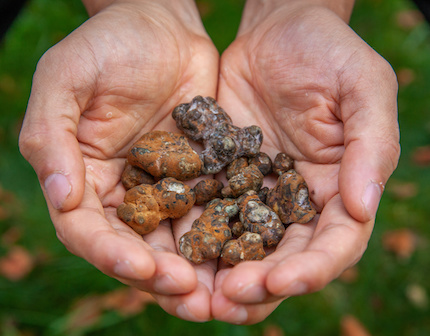
When discussing psilocybin truffles vs nootropics, it is essential to clarify the form. GO Microdose sells fresh psilocybin truffles, not dried mushrooms or dried truffles. This distinction matters for dosing accuracy and user experience.
Fresh truffles contain roughly 70-80% water content. A standard microdose is around 0.5 grams fresh, which equates to approximately 0.15-0.17 grams dried. This is important because most online dosing advice references dried material, leading to confusion. Fresh truffles are easier to dose consistently, store well when refrigerated (2-3 months unopened), and provide a milder, more predictable experience than dried mushrooms.
For those new to psilocybin microdosing, a starter pack provides pre-portioned doses and guidance, removing guesswork and ensuring a controlled introduction.
Who is making the switch?
The UK biohackers turning to psilocybin tend to share certain characteristics. Many have experimented extensively with nootropic stacks and found them unsustainable or ineffective. They value cognitive enhancement but prioritize long-term brain health over short-term performance hacks.
Common profiles include:
- Software developers and creatives seeking flow states without stimulant dependency
- Entrepreneurs managing decision fatigue and stress
- Students exploring non-pharmaceutical cognitive support
- Wellness-focused professionals integrating psychedelics with mindfulness and exercise
These users approach psilocybin with the same rigor they applied to nootropics: tracking doses, journaling effects, and adjusting protocols based on outcomes. The difference is a shift from biochemical brute force to working with the brain’s natural adaptive systems.
What does the research say?
Scientific research on psilocybin microdosing is still emerging, but early findings are promising. Studies from institutions like Imperial College London and Johns Hopkins have demonstrated psilocybin’s ability to promote neuroplasticity, reduce default mode network rigidity, and improve mood regulation at therapeutic doses.
Microdosing-specific research is more limited, with some controlled trials showing modest cognitive benefits and others finding placebo effects. However, anecdotal evidence from thousands of self-experimenters suggests meaningful subjective improvements in creativity, emotional balance, and cognitive flexibility.
By contrast, many popular nootropics lack robust long-term safety data. Racetams, for example, have limited human trials despite decades of use. The comparison is not straightforward, but psilocybin’s natural occurrence and growing research base make it an increasingly credible option in biohacking circles.
Frequently asked questions
How does a psilocybin microdose compare to a nootropic like modafinil?
Modafinil provides immediate, stimulant-like wakefulness and focus, while a psilocybin microdose (around 0.5 grams fresh truffles) works more subtly over time to enhance neuroplasticity and cognitive flexibility. Psilocybin does not produce a noticeable ‘kick’ but supports sustained creativity and problem-solving without the crash or tolerance issues common to modafinil.
Can I combine psilocybin truffles with nootropics?
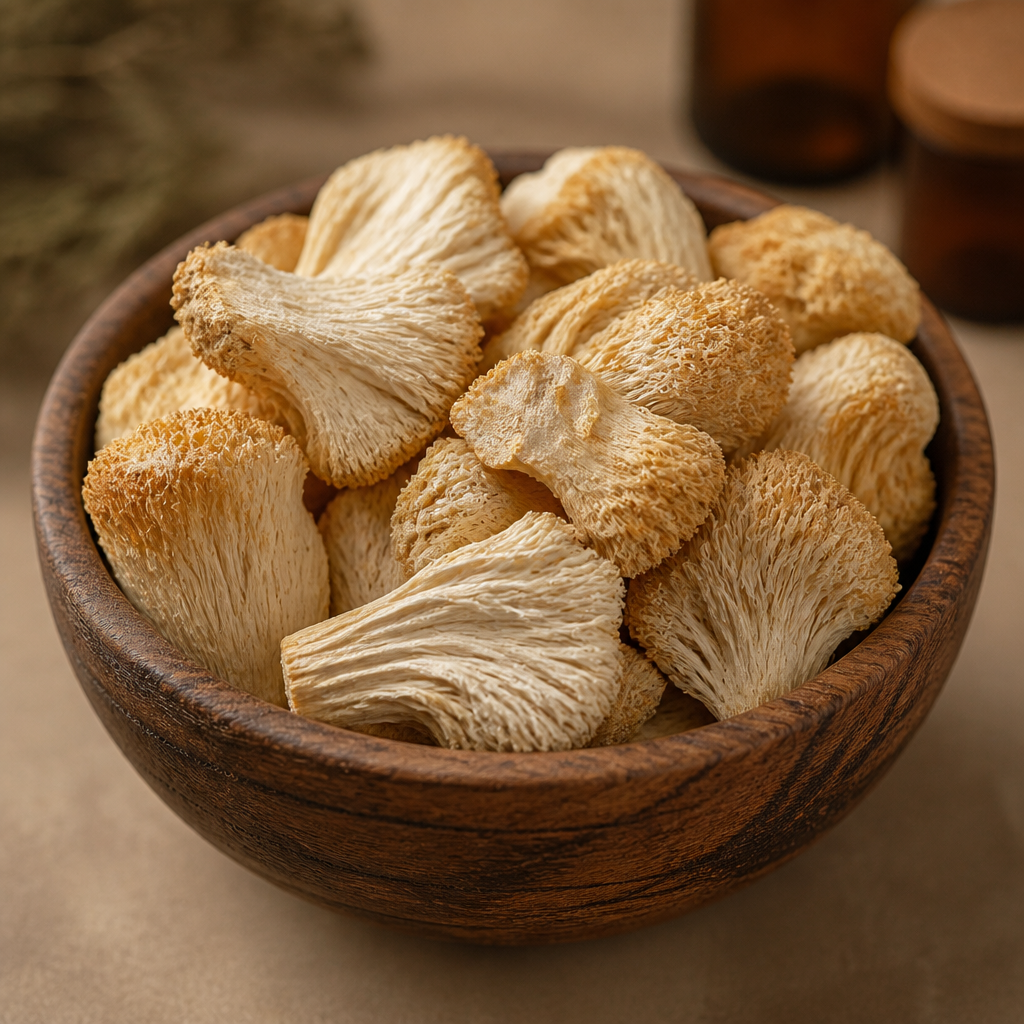
Some biohackers do combine low-dose psilocybin with non-stimulant nootropics like lion’s mane or omega-3s to support brain health. However, combining psilocybin with stimulants or serotonergic compounds requires caution due to potential interactions. Start with one variable at a time and monitor effects carefully.
What is the ideal microdose for someone switching from nootropics?
Most people start with 0.5 grams of fresh psilocybin truffles and adjust based on response. Some find 0.3 grams sufficient, while others prefer 0.7 grams. Use a dosage calculator and track effects over several sessions to find your personal threshold. Fresh truffles allow precise, repeatable dosing.
Do psilocybin truffles cause tolerance like nootropics?
Psilocybin does build tolerance quickly with frequent use, which is why most microdosing protocols include rest days (such as dosing every third day). Unlike some nootropics that require escalating doses, psilocybin tolerance resets fully within a week, allowing sustainable long-term use without dependency.
Are fresh psilocybin truffles legal in the UK?
Psilocybin is classified as a Class A controlled substance in the UK, making possession and supply illegal. However, psilocybin truffles are legal in the Netherlands and can be purchased from European suppliers. Users must understand and accept the legal risks in their jurisdiction.
How long do fresh truffles stay potent?
Unopened fresh psilocybin truffles remain potent for 2-3 months when refrigerated. Once opened, use them within 3-5 days or dry them at temperatures below 40°C to preserve potency long-term. Proper storage ensures consistent dosing and effectiveness.
Final thoughts
The conversation around psilocybin truffles vs nootropics reflects a broader shift in how UK biohackers approach cognitive enhancement. As synthetic stacks lose their shine, natural psychedelics offer a compelling alternative grounded in neuroplasticity, emotional resilience, and sustainable use. Whether you are exploring for the first time or transitioning from nootropics, fresh psilocybin truffles provide a thoughtful, research-backed option worth serious consideration.