- Written on Modified on
- 7 min. reading time

If you’re researching ashwagandha and cortisol, you’re probably hoping for a clear answer about when this adaptogen actually starts working. Most clinical studies show measurable cortisol reduction within 2 to 4 weeks of daily use, with more significant changes appearing by 8 weeks. The timeline varies based on your stress baseline, dosage, and the extract quality you’re using, but realistic expectations matter more than promises of instant calm.
What happens between ashwagandha and cortisol?
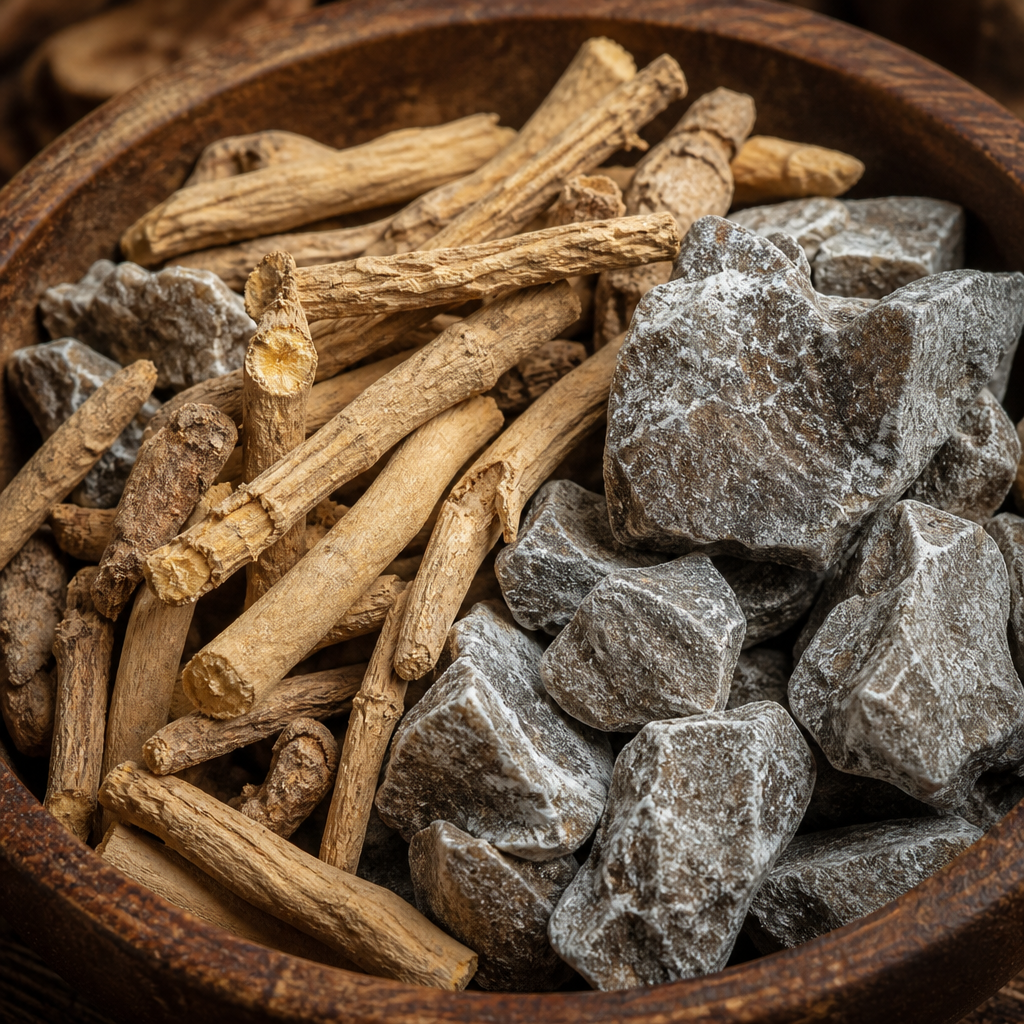
Ashwagandha works by modulating your hypothalamic-pituitary-adrenal (HPA) axis, the system that controls your stress response. When you’re chronically stressed, your HPA axis can become dysregulated, leading to elevated cortisol levels throughout the day and disrupted circadian rhythms.
The active compounds in ashwagandha, called withanolides, appear to regulate cortisol secretion by influencing receptor sensitivity and feedback loops in the HPA axis. This isn’t about blocking cortisol entirely, which would be harmful, but rather helping your body return to healthier baseline levels and patterns.
Think of it as recalibrating your stress thermostat rather than switching it off. That recalibration takes time, which is why the research consistently points to weeks rather than days.
Week 2: Early biological shifts you probably won't feel
Around the two-week mark, ashwagandha begins showing measurable effects on cortisol in research settings, but most people don’t notice subjective changes yet. A 2019 study published in Medicine found cortisol reductions beginning at this point, though participants didn’t report significant improvements in perceived stress.
What’s happening internally:
- Your HPA axis starts responding to the withanolides
- Morning cortisol spikes may begin to moderate slightly
- Sleep architecture might improve before you consciously notice better rest
If you’re tracking metrics like heart rate variability or resting heart rate, you might see small improvements here. Otherwise, patience is key. This is the foundation period where consistent dosing matters most.
Week 4: When most people start noticing something
The four-week mark is where subjective experience typically catches up with biology. Multiple studies, including a well-cited 2012 trial in the Indian Journal of Psychological Medicine, show significant reductions in both cortisol levels and self-reported stress scores by this point.
What you might notice:
- Less reactive to daily frustrations or interruptions
- Better energy stability throughout the afternoon
- Improved sleep quality, falling asleep more easily
- Reduced muscle tension in shoulders and jaw
The relationship between ashwagandha and cortisol becomes more apparent here because your stress response system has had enough time to adjust. This doesn’t mean you’re suddenly immune to stress, but your baseline resilience improves. You can explore other adaptogens and supplements in our full range if you’re looking to build a broader wellness routine.
Week 8: Peak benefits and stabilization
Eight weeks is the standard duration for most ashwagandha studies, and for good reason. This is when cortisol reduction plateaus and you reach the full therapeutic effect of consistent supplementation.
A landmark 2019 study in Cureus tracking stressed adults over 8 weeks found cortisol reductions of up to 27.9% compared to placebo, alongside significant improvements in anxiety and sleep quality scores. Participants were taking 300mg of high-concentration extract twice daily.
At this stage, the benefits feel less like novelty and more like your new normal. That’s actually a positive sign. Your stress response has recalibrated, and you’re operating from a healthier baseline. Some people worry the supplement has ‘stopped working’ when actually it’s just become integrated into their physiology.
What affects your personal timeline?
Not everyone follows the exact 2-4-8 week pattern. Several factors influence how quickly you’ll see results from the connection between ashwagandha and cortisol regulation.
Your stress baseline: If you’re dealing with chronic, long-term stress or burnout, it may take longer to see noticeable shifts compared to someone with moderate, situational stress.
Extract quality and dosage: Most research uses standardized extracts containing 5% or more withanolides, typically at doses between 300mg and 600mg daily. Lower-quality supplements with minimal active compounds won’t produce the same timeline or results.
Consistency: Skipping days or irregular dosing disrupts the cumulative effect. Ashwagandha works through sustained influence on your HPA axis, not acute intervention.
Lifestyle factors: If you’re simultaneously dealing with poor sleep, high caffeine intake, irregular eating, or ongoing crisis situations, those will slow or mask ashwagandha’s benefits. The supplement supports your stress response system but can’t override everything else.
How to actually take it for cortisol support
Most studies showing cortisol reduction use 300mg to 600mg of standardized ashwagandha extract daily, often split into two doses. Taking it with food improves absorption and reduces the chance of mild digestive upset in the first few days.
Timing can matter. Some people find taking ashwagandha in the evening supports better sleep, while others prefer morning dosing for daytime resilience. Because it modulates cortisol rather than sedating you, either approach can work. Experiment to see what feels right for your schedule and response.
Look for products that specify the withanolide content and use established extracts like KSM-66 or Sensoril, which have clinical backing. If you’re exploring other natural approaches to stress and focus, our complete microdosing guide covers complementary practices that some professionals find helpful.
What if you don't notice anything?
If you’ve been consistent for 6 to 8 weeks and genuinely can’t identify any shift in your stress response, sleep quality, or energy patterns, a few possibilities are worth considering.
First, check your product quality. Low-potency supplements won’t deliver the withanolide concentrations used in research. Second, your cortisol levels might already be within healthy ranges. Ashwagandha is most effective for people with elevated stress markers, not for optimizing an already well-functioning system.
Third, individual variation exists. A small percentage of people are non-responders to any given supplement due to genetic differences in metabolism and receptor sensitivity. If ashwagandha isn’t your fit, other adaptogens like rhodiola or holy basil work through different mechanisms and might suit you better.
Frequently asked questions
Can ashwagandha lower cortisol too much?
Ashwagandha works by modulating cortisol, not suppressing it completely. In healthy doses (300-600mg daily of standardized extract), it helps normalize elevated cortisol rather than driving it below functional levels. If you have adrenal insufficiency or already low cortisol, consult a healthcare provider before starting any adaptogen.
Should I take ashwagandha in the morning or evening for cortisol control?
Either timing can work since ashwagandha regulates cortisol patterns over time rather than acutely spiking or dropping levels. Some people find evening dosing supports better sleep, while others prefer morning for daytime resilience. Try one approach for a week and adjust based on how you feel.
How does ashwagandha compare to other cortisol-lowering supplements?
Ashwagandha has more robust human research on cortisol reduction than most adaptogens, particularly with standardized extracts. Rhodiola and phosphatidylserine also show promise but work through different mechanisms. Ashwagandha tends to be better studied for chronic stress, while rhodiola may help more with acute fatigue and performance.
Can I combine ashwagandha with other supplements?
Ashwagandha generally combines well with other non-stimulating supplements like magnesium, zinc, or functional mushrooms such as reishi or lion’s mane. Avoid combining with sedatives or thyroid medications without medical guidance, as ashwagandha can influence both sleep and thyroid function. Check our supplement range for complementary options.
Do I need to cycle ashwagandha or can I take it continuously?
Most research uses continuous daily dosing for 8 to 12 weeks without cycling. Some practitioners recommend occasional breaks after several months, but there’s limited evidence that cycling is necessary for effectiveness or safety. Long-term studies up to 6 months show sustained benefits without tolerance developing.
Will I feel withdrawal if I stop taking ashwagandha suddenly?
Ashwagandha doesn’t create physical dependence, so you won’t experience withdrawal symptoms if you stop. However, if your stress levels were being supported by the supplement, you might notice a gradual return to your previous baseline over a few weeks. It’s not a rebound effect, just the absence of the adaptogenic support.
Setting realistic expectations
Understanding the timeline for ashwagandha and cortisol helps you stick with it long enough to actually benefit. Most people need at least 4 weeks of consistent use before noticing meaningful changes, with peak effects around 8 weeks. If you’re looking for well-researched supplements to support your stress response, explore our selection and give your body the time it needs to adapt.