- Written on
- 7 min. reading time

Harvesting your first flush from a mushroom growkit is one of the most rewarding moments in home cultivation. The ideal time to harvest is just before or immediately after the veil breaks, when caps are still dome-shaped and gills are visible but not yet dark. Use clean hands or gloves, twist gently at the base, and store your harvest in a paper bag in the fridge for up to a week, or dry them at low temperatures to preserve potency for months.
When is your first flush ready to harvest?
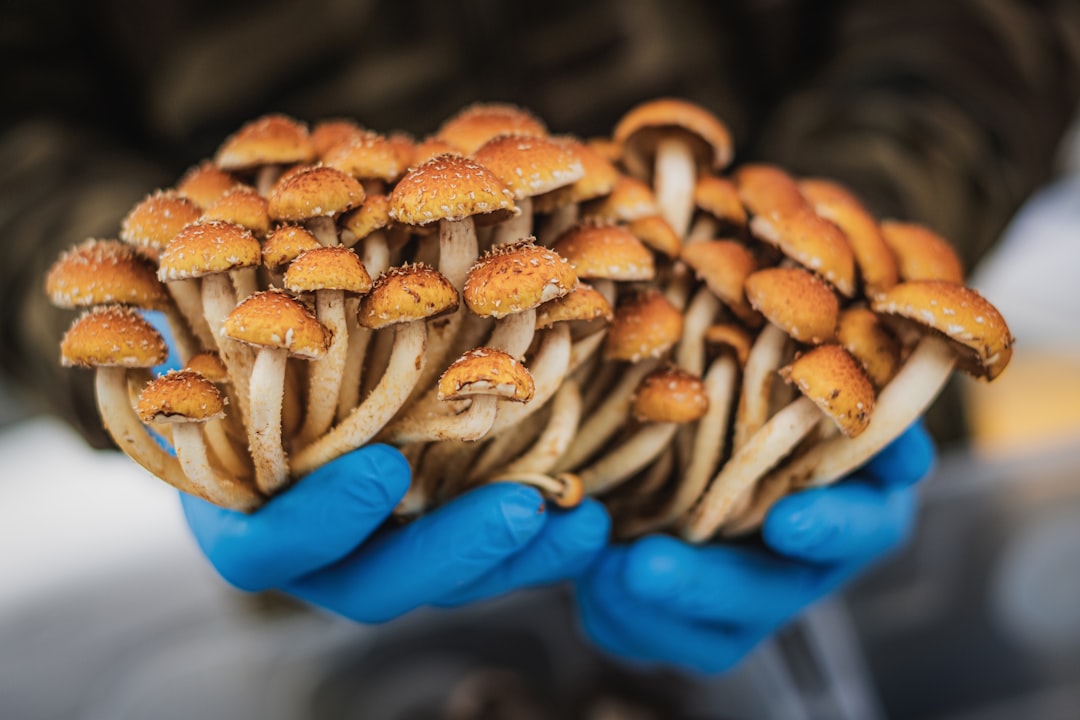
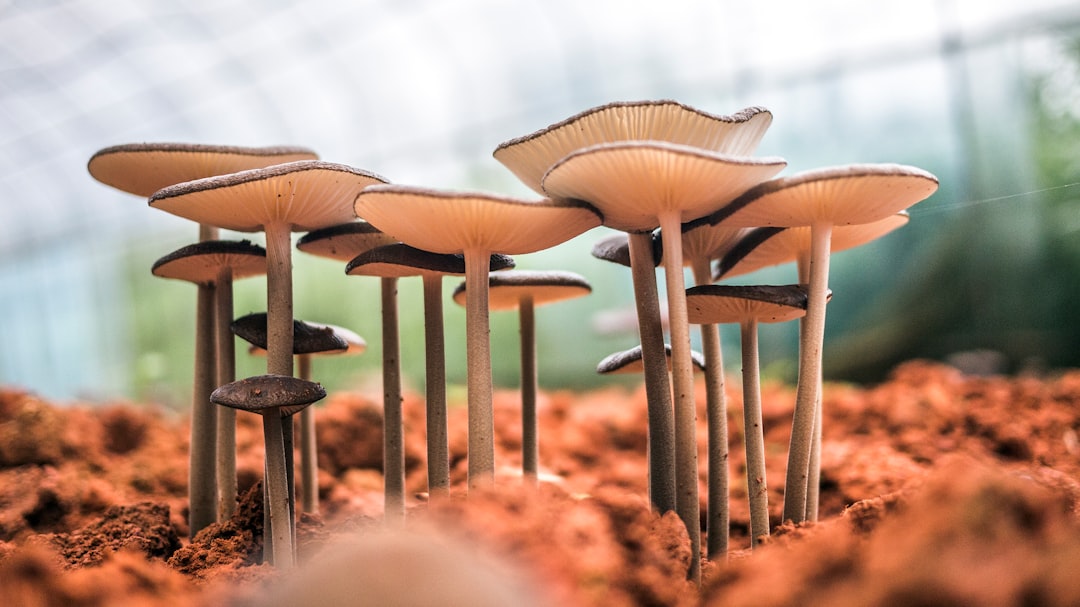
Timing is everything when harvesting your first flush. The magic window is between veil breaking and full cap opening. The veil is the thin membrane connecting the cap edge to the stem. When it starts to tear or has just broken, that is your cue.
Look for these signs:
- Caps are still rounded or dome-shaped, not fully flat
- Veils are stretched thin or torn, exposing gills underneath
- Gills are still pale or cream-colored, not dark purple or black
- Growth has visibly slowed compared to the previous day
If you wait too long, mushrooms drop spores, which coat the growkit surface in dark dust. This does not ruin future flushes, but it can reduce yields and make the kit messier. Harvest too early and you miss out on size and potency. The sweet spot is that 12 to 24 hour window after the first veils tear.
How to harvest your mushrooms properly
Proper technique protects your growkit and maximizes future flushes. The goal is to remove mushrooms cleanly without damaging the mycelium bed underneath.
Follow these steps:
- Wash your hands thoroughly or use clean gloves to reduce contamination risk
- Grip the mushroom at the base, as close to the substrate as possible
- Twist gently while pulling upward, using a rocking motion if needed
- Remove clusters together if they share a common base
- Trim any remaining stem stumps flush with the surface using clean scissors
Never cut mushrooms at the stem and leave the base behind. This invites rot and contaminants. The twist-and-pull method keeps your substrate clean and ready for the next flush. If a mushroom resists, rock it gently side to side until the base releases.
Some growers prefer to harvest the entire flush at once, even if a few mushrooms are slightly behind. This synchronizes the growkit for a stronger second flush. Others prefer to pick individually as each mushroom matures. Both approaches work, but batch harvesting tends to give more predictable subsequent flushes.
What to do immediately after harvesting first flush
The moments after harvest are critical for setting up your next flush. Your growkit needs a reset period to recover and prepare new pins.
Here is what to do:
- Remove all mushroom debris from the substrate surface, including small aborts
- Rinse the kit gently under cold running water or submerge it briefly to rehydrate
- Drain excess water and return the kit to its growing environment
- Reduce misting frequency for 5 to 7 days while mycelium recovers
This rest period allows the mycelium to consolidate nutrients and prepare for the second flush, which often arrives 7 to 14 days later. Some kits benefit from a cold shock by placing them in the fridge for 12 hours after soaking, which can trigger more vigorous pinning.
If you are using one of our magic mushroom growkits, the included instructions will specify whether your strain responds well to cold shocking. Strains like Golden Teacher and McKennaii are particularly responsive.
How to store fresh mushrooms after harvest
Fresh mushrooms are about 90% water and will degrade quickly without proper storage. If you plan to use them within a week, refrigeration works well. For longer storage, drying is essential.
Short-term storage (up to 7 days):
- Place mushrooms in a paper bag, never plastic
- Store in the fridge at 2 to 4°C
- Avoid moisture buildup by keeping the bag loosely closed
Paper allows airflow and prevents condensation, which causes mushrooms to soften and rot. Check daily and remove any that show signs of sliminess or dark spots.
Long-term storage (months to years):
- Dry mushrooms using a food dehydrator set to 35 to 40°C
- Alternatively, place them in front of a fan until cracker-dry
- Store in an airtight container with silica gel packets
- Keep in a cool, dark place away from direct sunlight
Never exceed 40°C during drying, as higher temperatures degrade psilocybin. Mushrooms are fully dry when they snap cleanly rather than bend. Properly dried mushrooms can last a year or more without significant potency loss.
For accessories like airtight storage containers and silica gel packets, check our range to keep your harvest in peak condition.
Common mistakes when harvesting first flush
Even experienced growers make errors that reduce yields or compromise future flushes. Here are the most common pitfalls and how to avoid them.
Waiting too long: Once caps flatten completely and release spores, growth stops. Spore deposits can inhibit new pins and make cleanup harder. Harvest at veil break, not days after.
Cutting instead of twisting: Leaving stem bases behind creates rot zones. Always twist and pull from the base, then trim flush if needed.
Contaminating the kit: Dirty hands or tools introduce bacteria and mold. Wash thoroughly before each session and consider wearing gloves.
Skipping the soak: After your first flush, the substrate is depleted of moisture. Rehydrating by soaking or rinsing is critical for a strong second flush.
What to expect from your second and third flushes
Your first flush is often the largest, but second and third flushes can still be productive if you care for the kit properly. Yields typically decrease with each flush, but potency per gram often remains consistent or even increases slightly.
After harvesting your first flush and rehydrating the kit, expect pins to appear again within 7 to 14 days. Keep misting lightly and maintain humidity as before. Some kits produce four or more flushes, while others taper off after two. Genetics, substrate quality, and your care routine all play a role.
If contamination appears as green, black, or orange patches, isolate the kit immediately and discard it to prevent spreading. A healthy kit should smell earthy and clean, never sour or foul.
Frequently asked questions
How do I know if I harvested too early?
If the veil is still fully intact and the cap has not started to open, you may have picked too early. The mushroom will be smaller and less potent. Wait until you see the veil tearing or just broken for optimal size and psilocybin content.
Can I eat fresh mushrooms right after harvesting first flush?
Yes, fresh mushrooms are safe to consume immediately after harvest. Rinse them gently to remove any substrate debris. Remember that fresh mushrooms are roughly 90% water, so doses are much higher by weight than dried. A typical fresh dose is 10 to 30 grams for a moderate experience.
What if some mushrooms are ready and others are not?
You can harvest individually as each mushroom matures, or wait until most are ready and pick the entire flush at once. Batch harvesting often leads to more synchronized second flushes, but individual harvesting maximizes the potential of each mushroom.
How long can I store fresh mushrooms in the fridge?
Fresh mushrooms stored in a paper bag in the fridge will last up to 7 days before they start to degrade. For longer storage, dry them completely and keep them in an airtight container with silica gel.
Should I remove small mushrooms that did not grow?
Yes, remove any aborts or tiny pins that stopped developing after your first flush. These can rot and invite contamination. Gently pluck or trim them away before rehydrating the kit.
Why did my mushrooms turn dark and slimy after harvest?
This is a sign of bacterial rot, usually caused by excess moisture or storing in plastic instead of paper. Always use breathable storage and check your mushrooms daily. If they feel slimy or smell off, discard them.
Final thoughts
Harvesting your first flush is a milestone that marks the beginning of your hands-on relationship with cultivation. With careful timing, gentle technique, and proper storage, you will preserve both potency and the potential for multiple flushes. Explore our full range of magic mushroom growkits to start or expand your growing journey.