- Written on
- 7 min. reading time

Over the past few years, a quiet trend has emerged in endurance sports circles: recreational runners, cyclists, and trail athletes experimenting with sub-perceptual doses of psilocybin to enhance training experiences. The goal is not performance enhancement in the traditional sense, but rather accessing flow states, improving mind-body connection, and making those long solo miles feel more engaged and purposeful.
This practice exists in a grey area. Anecdotal reports from athletes are compelling, but rigorous scientific evidence remains limited. Legal status varies across Europe, with psilocybin truffles legal in the Netherlands while laws differ elsewhere. What we can do is examine what athletes are reporting, look at the emerging science on psilocybin and flow states, and discuss practical considerations for anyone curious about this approach.
Why endurance athletes are exploring microdosing
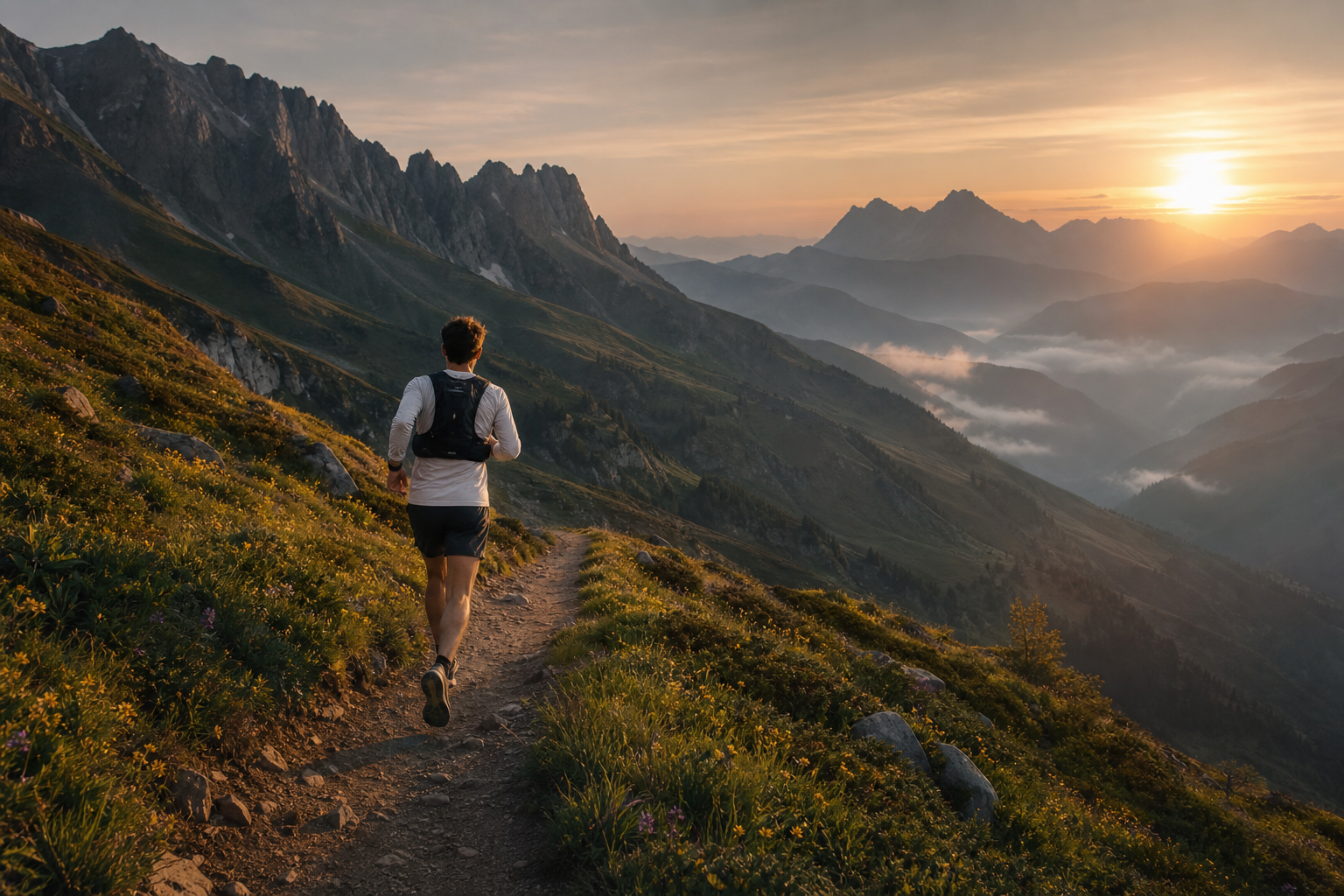
Endurance training can be mentally demanding. Whether you are putting in a three-hour weekend run or tackling a century ride, the mental game matters as much as the physical preparation. Boredom, negative self-talk, and difficulty staying present can derail sessions that are otherwise within your physical capacity.
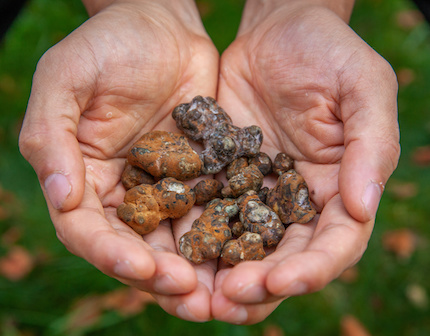
Athletes report that microdosing, typically 0.1 to 0.5 grams of psilocybin truffles taken on training days, helps them feel more immersed in the experience. Common themes include heightened sensory awareness of surroundings, reduced rumination about pace or distance, and a subtle sense of connection between breath, movement, and environment. For trail runners especially, this enhanced presence can translate to better technical foot placement and more intuitive navigation.
It is worth noting that these are subjective reports, not performance metrics. Most athletes experimenting with microdosing are not chasing podium finishes but rather seeking more meaningful, enjoyable training experiences. The appeal is psychological and experiential rather than purely competitive.
The science of psilocybin and flow states
Flow states, characterized by complete absorption in an activity with effortless concentration and loss of self-consciousness, have been studied extensively in sports psychology. What is newer is research examining how psychedelics might facilitate these states.
Neuroimaging studies show that psilocybin reduces activity in the default mode network (DMN), a brain network associated with self-referential thinking and mind-wandering. When the DMN is quieter, people report feeling less caught up in self-criticism and more present in immediate experience. This maps well onto what athletes describe as flow: the inner critic goes quiet, and you are simply running or cycling without constant mental commentary.
A 2023 study published in Frontiers in Psychology examined the phenomenology of flow during physical activity and noted overlaps with the subjective effects of low-dose psychedelics, including enhanced present-moment awareness and dissolution of the sense of separation between self and activity. However, direct research on microdosing and athletic performance remains scarce, with most existing studies focusing on creativity, mood, or cognitive function rather than endurance sports specifically.
What we can say is that the theoretical mechanisms are plausible. Reduced DMN activity, enhanced sensory processing, and subtle shifts in time perception could all contribute to more immersive training experiences. What we cannot say is that microdosing will make you faster or improve race times. The effects appear to be more about quality of experience than quantifiable performance gains.
Practical considerations for training days
If you are considering experimenting with microdosing on training days, start with lower doses and familiar routes. The goal is sub-perceptual, meaning you should not feel obviously altered. If you are noticing visual distortions or significant changes in headspace, the dose is too high for training purposes.
Most athletes use a protocol of dosing once every three to four days rather than daily. This approach, similar to the Fadiman protocol detailed in our complete microdosing guide, helps avoid tolerance build-up and allows you to assess effects more clearly. Training days are ideal for dosing days, while rest days remain dose-free.
Timing matters. Taking your dose 60 to 90 minutes before heading out allows effects to coincide with your session. Avoid dosing before high-intensity intervals or technical descents until you understand how you respond. Easy aerobic efforts on known routes are the safest starting point.
Hydration and nutrition remain critical. Some athletes report mild nausea from psilocybin, which can be exacerbated by dehydration or training on an empty stomach. Have your usual pre-run or pre-ride meal, and carry water and fuel as normal.
Finding your range and monitoring effects
Individual responses to psilocybin vary considerably based on body weight, metabolism, and neurochemistry. What feels sub-perceptual to one person might be too much for another. This is where careful experimentation and honest self-assessment become essential.
Start with 0.1 to 0.2 grams of dried truffle equivalent and assess how you feel during a short, low-stakes run or ride. If you notice no effects after a few sessions, you can incrementally increase by 0.05 to 0.1 grams. Using our dosage calculator can help you find an appropriate starting point based on your weight and experience level.
Keep simple notes about dose, training session type, and subjective experience. Over time, patterns will emerge. You might find that certain doses work better for long easy runs versus tempo efforts, or that trail sessions feel more enhanced than road rides.
Be honest about what you are feeling. If microdosing makes training feel more anxious or scattered rather than more focused, it may not be the right tool for you. The goal is to enhance your experience, not force a practice that does not suit your individual response.
Legal and safety context
Psilocybin truffles are legally sold in the Netherlands, where GO Microdose operates, and can be shipped to certain European countries. However, legal status varies significantly across the UK and Europe, so it is your responsibility to understand the laws in your location before ordering.
From a safety perspective, psilocybin has a well-established low toxicity profile and is not associated with addiction or physical dependence. However, it is not appropriate for everyone. If you have a personal or family history of psychotic disorders, microdosing is not recommended. If you are taking SSRIs or other psychiatric medications, interactions are possible and you should consult with a healthcare provider.
Microdosing is not a replacement for proper training, recovery, nutrition, or medical care. Think of it as one tool among many, not a shortcut or magic solution. The foundation of endurance performance remains consistent training, adequate sleep, and good fueling strategies.
What athletes are saying
Online forums and social media groups dedicated to endurance sports have seen growing discussion of microdosing over the past few years. Common themes include improved ability to stay present during long efforts, reduced mental fatigue on high-mileage weeks, and greater enjoyment of solo training sessions.
Some ultrarunners report that microdosing helps them maintain a positive mindset during the difficult middle miles of long training runs, when motivation typically dips. Cyclists mention feeling more connected to their bike and the road, with smoother, more intuitive pedal stroke. Trail runners often highlight enhanced sensory experience, noticing details in terrain and surroundings that usually go unnoticed.
Not all reports are positive. Some athletes find no noticeable benefit, while others report feeling distracted or mildly uncomfortable during efforts. Individual variation is significant, which is why personal experimentation with conservative doses and familiar settings is essential.
For those interested in exploring microdosing systematically, our starter pack provides everything needed to begin with clear dosing guidelines and quality-tested truffles.
Final thoughts
Microdosing for endurance training sits at the intersection of anecdotal enthusiasm and emerging science. The reports from athletes are compelling and the theoretical mechanisms make sense, but we are still in early days of understanding how sub-perceptual psilocybin affects training experiences and whether these effects translate to long-term benefits.
If you choose to experiment, approach it with curiosity rather than expectation. Start conservatively, prioritize safety and legality, and pay attention to your individual response. The goal is not to hack your way to faster times but to explore whether microdosing can make your training more present, engaged, and enjoyable.
Endurance sports are as much about the journey as the destination. If microdosing helps you find more flow in those long training miles, it may be a valuable tool. If not, there are many other ways to cultivate presence and enjoyment in your running, cycling, or trail adventures. Trust your experience and make choices that serve your individual goals and well-being.