- Written on
- 8 min. reading time

The most common growkit mistakes happen in the first seven days, often before you see a single pin. New growers typically struggle with three core issues: humidity levels that swing too high or low, early signs of contamination they don’t recognise, and confusion about when pinning should actually start. This guide walks you through each problem with practical fixes you can apply today, so your kit stays on track from day one.
Why the first week matters most
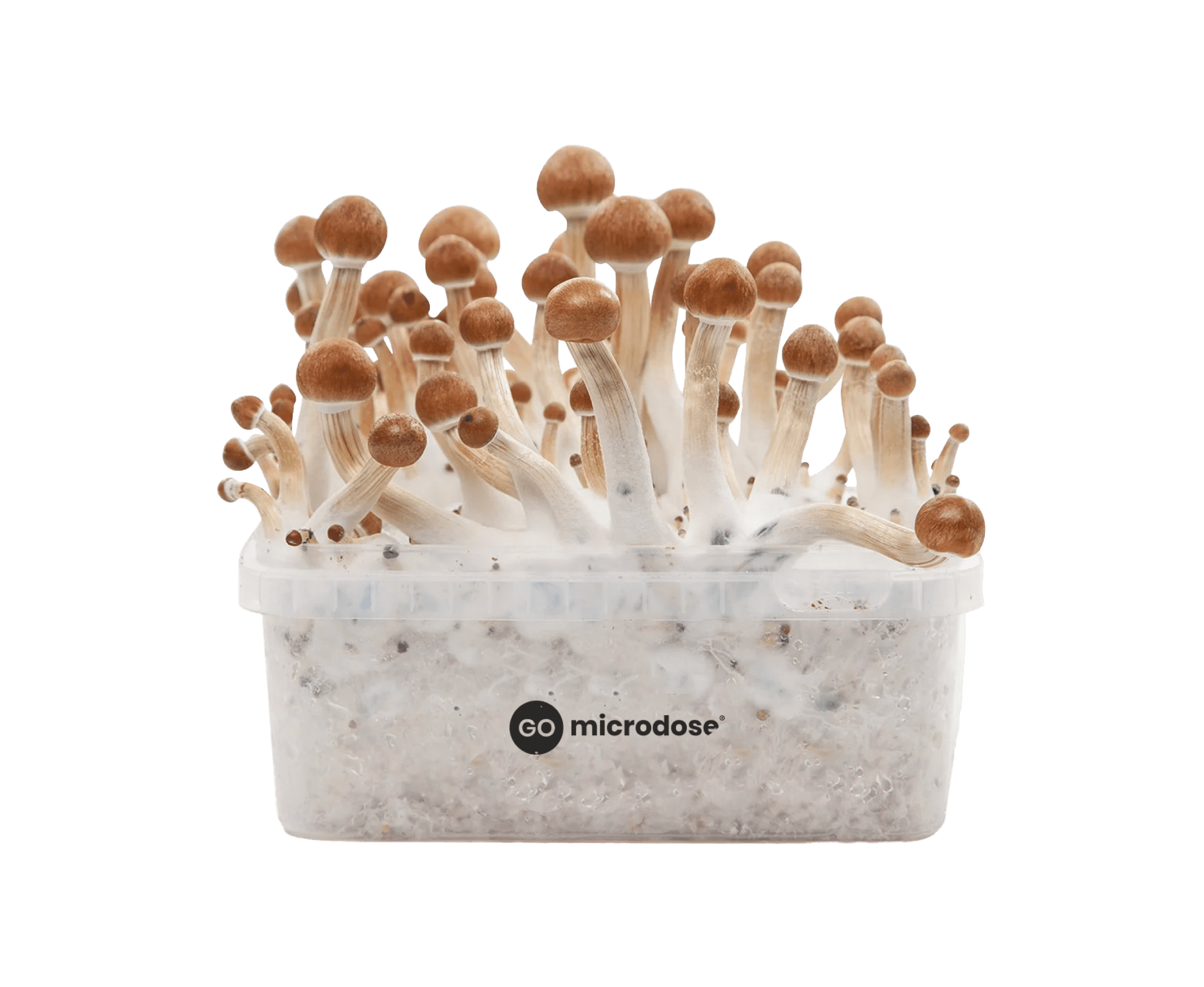
Your mushroom growkit arrives colonised and ready to fruit. The mycelium has done the hard work underground. Now it needs the right surface conditions to trigger pinning: tiny mushroom buds that will become your first flush.
Most growkit mistakes stem from misunderstanding what ‘the right conditions’ actually means. Kits are forgiving, but the first week is when small errors compound. A lid left slightly open, a spray bottle aimed directly at the substrate, or a room that is too cold can delay pinning by days or invite contamination that ruins the entire kit.
Get week one right and your kit will reward you with dense, healthy pins by day seven to ten. Get it wrong and you will spend the next fortnight troubleshooting problems that could have been avoided with a few simple adjustments.
Humidity mistakes: too wet, too dry, or swinging between both
Growkit mistakes around humidity are the most frequent. The mycelium needs moisture in the air, not on the substrate surface. Many beginners spray the cake directly, which creates pooling water that blocks oxygen exchange and invites bacterial rot.
Instead, mist the inside walls of your grow bag or chamber lightly, two to four times per day. The goal is to maintain 90 to 95% relative humidity without visible water sitting on the substrate. If you see droplets pooling, you have overdone it. Tilt the kit gently to drain excess water, then reduce your misting frequency.
On the other end, kits kept in dry rooms or near heating vents lose moisture fast. The substrate surface cracks, the mycelium dries out, and pinning stalls. If your room humidity is below 50%, consider placing the kit inside a clear plastic storage box with the lid slightly ajar, misting the box walls instead of the substrate. This creates a stable microclimate that holds moisture without trapping stale air.
A simple hygrometer inside your grow space removes guesswork. If you are consistently below 85%, increase misting. Above 98% with poor air exchange, crack the bag or box open slightly more to let moisture escape.
Contamination in the first week: what to watch for
Contamination is rare in fresh kits, but it happens. The two most common culprits in week one are green mould (Trichoderma) and bacterial blotch, both of which spread fast if not caught early.
Green mould appears as small white fuzzy patches that turn green within 24 to 48 hours. It thrives in warm, humid environments with poor air exchange. If you spot green, isolate the kit immediately. Small patches (smaller than a coin) can sometimes be removed with a clean spoon and the area sprayed with hydrogen peroxide, but if the mould has spread across more than 10% of the surface, the kit is likely lost.
Bacterial contamination shows as slimy, yellowing patches with a sour smell. This usually results from overwatering or spraying the substrate directly. Bacteria block the mycelium and prevent pinning. There is no reliable fix once bacterial rot sets in; prevention is your only tool.
For a deeper breakdown of contamination types and responses, see our full growkit contamination guide. In week one, your best defence is clean hands, indirect misting, and fresh air exchange at least once per day.
Pinning confusion: when should you actually see mushrooms?
Many first-time growers panic when pins don’t appear by day three. This is normal. Most kits begin pinning between day seven and day twelve, depending on strain, room temperature, and how quickly you dialled in humidity and fresh air.
Pins look like tiny white dots, often clustered where the substrate meets the edge of the kit. They can be easy to miss at first. If you are past day ten with no pins, check these three factors:
- Temperature: Most strains pin best between 20°C and 24°C. Below 18°C, pinning slows significantly. Above 26°C, you risk contamination and uneven fruiting.
- Light: Kits need indirect daylight or a low-watt LED for 12 hours per day. Mushrooms won’t fruit in complete darkness. A windowsill out of direct sun works well.
- Fresh air: Stale air high in CO₂ prevents pinning. If your kit is sealed too tightly, crack the bag or lid open slightly to allow gas exchange at least twice per day.
If all three are in range and you still see no pins by day fourteen, the issue is likely either substrate moisture that has dried out or a kit that arrived partially stalled. Rehydrating the substrate with a light mist and a 12-hour soak in the fridge (wrapped loosely) can sometimes restart pinning, though this is an advanced move best saved for stalled second flushes.
Air exchange mistakes that slow or stop growth
Mushrooms breathe. They take in oxygen and release CO₂ just like you do. In a sealed bag or box, CO₂ builds up fast, creating tall, thin mushrooms with small caps or no pinning at all.
Your kit needs passive fresh air exchange without drying out. Most grow bags come with a filter patch or a fold you can clip open slightly. If you are using a clear box, leave a small corner gap or open the lid for five minutes twice daily.
A quick test: if the inside walls of your bag or box are completely fogged and you can’t see the substrate, air exchange is too low. Crack it open more. If the substrate surface looks dry or pale within hours of misting, air exchange is too high. Reduce the opening size or mist more frequently.
Growkit mistakes around air are subtle but costly. Finding the balance takes a day or two of observation, and it will vary depending on your room’s humidity and temperature. Once you find the sweet spot, keep it consistent.
Temperature and placement: small details, big impact
What to do if things go wrong in week one
If you catch growkit mistakes early, most are fixable. Here is a quick troubleshooting checklist for the most common week-one problems:
- Substrate looks dry and pale: Increase misting frequency and check that your room humidity is above 50%. You can also place a damp towel near (not touching) the kit to raise ambient moisture.
- Water pooling on the surface: Tilt the kit gently to drain. Reduce misting and improve air exchange. Do not spray the substrate directly.
- No pins by day twelve: Check temperature, light, and fresh air. If all are in range, try moving the kit to a slightly cooler spot (around 20°C) for 24 hours to trigger pinning.
- White fuzz turning green: Isolate the kit. Remove the patch with a clean spoon if small. If it spreads, discard the kit to avoid contaminating your space.
- Sour smell or slimy patches: Bacterial contamination. No reliable fix. Discard and start fresh.
Most kits recover from minor humidity or temperature mistakes within 48 hours once conditions are corrected. Contamination is the only error that is typically terminal.
Setting up your kit for long-term success
Week one is about building the right habits. Once you have dialled in humidity, temperature, and air exchange, the kit practically runs itself. You will mist twice daily, check for pins, and wait.
After your first flush, you will need to rehydrate the substrate by soaking it in clean water for 12 hours, then repeating the same conditions. Most kits produce three to five flushes before the mycelium is exhausted. Knowing when to pick your mushrooms is just as important as the setup. For timing and potency guidance, see our guide on when to pick mushrooms from your growkit.
If this is your first time, consider grabbing the growkit essentials bundle, which includes a spray bottle, thermometer, and basic tools that make the process easier and more consistent.
Frequently asked questions
Should I mist my growkit every day in the first week?
Yes, most kits need misting two to four times per day to maintain 90 to 95% humidity. Mist the inside walls of the grow bag or chamber, not the substrate surface. If your room is naturally humid (above 60%), you may only need to mist once or twice daily.
How do I know if my kit is contaminated in week one?
Green patches, slimy yellow spots, or a sour smell are signs of contamination. Healthy mycelium is white and slightly fuzzy. If you see green mould spreading, isolate the kit immediately. Small spots can sometimes be removed, but widespread contamination means the kit should be discarded.
When should I expect to see pins on my growkit?
Most kits begin pinning between day seven and day twelve. Pins look like tiny white dots, often near the edges of the substrate. If you see no pins by day fourteen, check that temperature is between 20°C and 24°C, the kit is getting indirect light for 12 hours daily, and fresh air exchange is happening at least twice per day.
Can I save a growkit that has dried out in the first week?
Often yes. Increase misting frequency and consider placing the kit inside a clear plastic box with a damp towel nearby to raise ambient humidity. The mycelium may recover within 48 hours if it has not been dry for more than a few days. Severe drying can stall pinning permanently.
What temperature is best for growkits in week one?
Most strains fruit best between 20°C and 24°C. Below 18°C, pinning slows significantly. Above 26°C, contamination risk increases and mushrooms may grow unevenly. If your room runs cold, a heat mat placed under the kit can help maintain stable warmth.
Do I need to open the grow bag every day?
You need fresh air exchange, but not necessarily by fully opening the bag. Most bags have a filter patch or fold that allows passive airflow. Opening the bag or box for five minutes twice daily is enough to replace stale air without drying out the substrate.
Conclusion
Avoiding growkit mistakes in week one comes down to three fundamentals: stable humidity without overwatering, clean conditions with good air exchange, and patience while the mycelium adjusts to its new environment. Get these right and your kit will reward you with healthy pins and a strong first flush. Browse our full range of magic mushroom growkits and start your grow with confidence.