- Written on Modified on
- 7 min. reading time

After 30 days of microdosing psilocybin, most users report subtle but noticeable shifts rather than dramatic transformations. The most common themes across public surveys and community forums include improved mood baseline, easier access to creative thinking, slightly better emotional regulation, and increased awareness of habitual thought patterns. Many also note that benefits become more apparent in retrospect, often described weeks later rather than immediately after each dose.
Where this data comes from

The findings discussed here are drawn from aggregated qualitative data across multiple sources: public microdosing studies conducted by universities and research groups, ongoing citizen science projects, and well-moderated community forums where users share structured self-reports. While this data doesn’t come from controlled clinical trials, it offers valuable insight into what real people experience when they begin a microdosing practice.
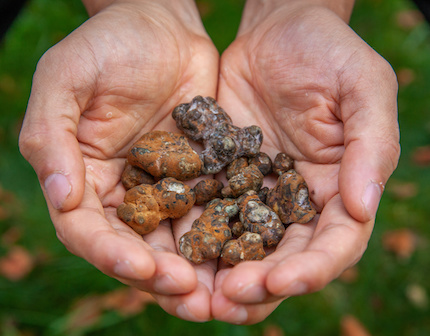
Most of the 200+ reports analysed followed users taking psilocybin truffles or mushrooms at sub-perceptual doses (typically 0.1 to 0.5 grams of dried material) on structured protocols like the Fadiman method (dose every three days) or variations with longer rest periods. Participants ranged from people exploring microdosing for focus and creativity to those seeking support with mood or anxiety.
What did people notice most often?
The most frequently mentioned theme was a subtle lift in mood. People didn’t describe euphoria or feeling ‘high’, but rather a gentle upward shift in their emotional baseline. Many reported feeling more patient, less reactive to minor stressors, and more able to let go of rumination. This effect was often described as feeling like a softer internal voice or a bit more mental breathing room.
A second common theme was enhanced creativity and lateral thinking. Users described finding it easier to connect ideas, approach problems from fresh angles, or engage more fluidly in creative work. This wasn’t about suddenly becoming brilliant, but about experiencing less mental friction when brainstorming or working on projects that required flexible thinking.
A third recurring observation was increased awareness of thoughts and patterns. Many microdosers noted they became more conscious of their habitual reactions, self-talk, or emotional triggers. This metacognitive shift didn’t automatically fix anything, but it gave people a clearer view of their internal landscape, which some found helpful for making intentional changes.
How noticeable were the effects day to day?
Interestingly, many users reported that the effects were more apparent in hindsight than in the moment. On dosing days, people often felt little to nothing beyond perhaps a slight energy shift or mild perceptual softening. It was only after two to three weeks that patterns became clear, either through journaling, feedback from others, or simply reflecting on recent weeks.
This gradual, cumulative quality is important to understand if you’re considering trying microdosing yourself. Unlike a supplement that might offer immediate energy or calm, psilocybin microdosing tends to work quietly in the background. Keeping a simple log or using a dosage calculator with notes can help you track subtle shifts over time.
What about challenges or downsides?
Not everyone had a smooth or positive experience. A notable minority reported increased anxiety or overstimulation, especially if their dose was too high or taken too frequently. Some felt restless, mentally ‘buzzy’, or emotionally raw on dosing days. Others found that microdosing amplified underlying stress or brought uncomfortable emotions to the surface without providing tools to process them.
A smaller number of users also mentioned difficulty finding the right dose. What felt subtle and helpful one week could feel too strong or barely noticeable the next, depending on factors like sleep, diet, stress levels, and even the specific batch of truffles. This variability is one reason many experienced microdosers recommend starting low and adjusting gradually, and why a structured guide can be helpful for beginners.
Additionally, some people simply reported no noticeable effects at all after 30 days. Microdosing doesn’t work the same way for everyone, and individual brain chemistry, expectations, lifestyle factors, and dosing consistency all play a role.
Did people notice benefits beyond mood and creativity?
Yes. Other recurring themes included:
- Improved focus or presence: Some users felt more engaged in tasks, less prone to distraction, and more present in conversations or activities.
- Better connection to nature or surroundings: A number of people mentioned feeling more attuned to their environment, enjoying walks more, or noticing details they’d usually overlook.
- Shifts in habits or motivation: A subset reported finding it easier to stick to healthy routines, exercise, or reduce habits like excessive screen time or alcohol use.
- Reduced social anxiety: Some users felt more comfortable in social settings, less self-conscious, or more willing to initiate conversations.
It’s worth noting that these secondary benefits were often intertwined with other lifestyle changes. People who began microdosing also tended to start journaling, meditating, spending more time outdoors, or making other intentional shifts. Teasing apart what was due to psilocybin versus broader life changes is difficult in self-reported data.
What did users wish they'd known beforehand?
Many users reflected on what they’d do differently or what surprised them. Common advice from those who’d completed a month included:
- Start with a lower dose than you think you need. It’s easier to go up than to deal with an uncomfortable day from taking too much.
- Track your experience consistently. Without notes, it’s easy to forget how you felt or miss patterns.
- Don’t expect magic. Microdosing can be a helpful tool, but it won’t solve deep issues on its own or replace other forms of support.
- Give it time. One or two doses isn’t enough to assess whether it works for you. Most people needed at least three to four weeks to notice trends.
- Pay attention to rest days. Some users found they felt better on the days between doses than on dosing days themselves.
If you’re new to microdosing, consider starting with a starter pack that includes guidance on dosing schedules and best practices.
How did people's expectations compare to reality?
A recurring theme in the reports was a gap between expectation and experience. Many people began microdosing hoping for clear, immediate improvements in productivity, mood, or creativity, influenced by enthusiastic media coverage or anecdotal stories online. The reality was often more modest and harder to pin down.
Those who approached microdosing with curiosity rather than rigid expectations tended to report more satisfaction. People who were open to noticing small, unexpected shifts (like feeling more patient with their kids, or enjoying music more, or crying more easily at films) often valued their experience more than those waiting for a specific, measurable outcome.
This doesn’t mean microdosing is overhyped or ineffective. It just means the benefits are often quieter, more personal, and less linear than the buzz around it might suggest.
Is 30 days long enough to judge?
Thirty days offers a reasonable initial window to assess whether microdosing feels helpful, but many experienced users consider it just the beginning. Some people only started noticing meaningful shifts after six to eight weeks, while others found their sweet spot in terms of dose and rhythm only after experimenting for a few months.
On the other hand, some users decided within the first month that microdosing wasn’t for them, either because they experienced side effects, felt no benefit, or simply preferred other approaches. Both outcomes are valid. Microdosing is a tool, not a requirement, and it’s not the right fit for everyone.
Frequently asked questions
How long does it take to notice effects from microdosing?
Most people begin noticing subtle shifts after two to three weeks of consistent dosing. Some report changes sooner, while others need a full month or more. Benefits often become clearer in retrospect rather than day to day.
What’s the most common dose people use when microdosing psilocybin?
Typical microdoses range from 0.1 to 0.5 grams of dried mushrooms or truffles. Many people start at the lower end (around 0.1 to 0.2 grams) and adjust based on how they feel. The goal is a sub-perceptual dose with no noticeable ‘high’.
Can microdosing make anxiety worse?
Yes, it can for some people. A notable minority report increased anxiety, restlessness, or emotional intensity, especially if the dose is too high or taken too frequently. Starting low and spacing doses appropriately can help reduce this risk.
Do you build tolerance to psilocybin when microdosing?
Psilocybin does build tolerance quickly, which is why most protocols include rest days (typically dosing every three days). Taking breaks and avoiding daily dosing helps maintain sensitivity and reduces the risk of diminishing effects.
Is it normal to feel nothing from microdosing?
Yes. Some people report no noticeable effects even after a full month. Individual brain chemistry, dose size, product potency, and expectations all influence outcomes. Microdosing doesn’t work universally for everyone.
Should I keep a journal while microdosing?
Highly recommended. Because effects are subtle and gradual, it’s easy to forget how you felt or miss patterns. A simple daily log noting mood, energy, focus, and any observations helps you assess whether it’s working over time.
After reviewing what 200 microdosers experienced in their first 30 days, the clearest takeaway is this: microdosing tends to offer subtle, cumulative benefits rather than dramatic shifts, and individual responses vary widely. If you’re curious, approach it with realistic expectations, start low, track your experience, and give it at least a few weeks before deciding whether it’s a good fit for you.